Miami의 Wynwood Walls
내가 뉴욕 땅에 처음 발을 디뎠을 때
눈에 거슬렸던 것이 거리의 벽화였다.
그림이라고 볼 수 없는 일종의 낙서가 상점의 철문과 건물의 벽면뿐 아니라
사람의 손길이 닿기 힘든 곳까지 무질서하게 점령하고 있었다.
지하철 차량까지 낙서로 뒤덮여 있어서 눈과 머리가 어지러웠다.
그러던 것이 언제부터인가 건물의 벽면이 제법 볼만한 그림으로 변모를 시작했다.
Brooklyn의 East Williams를 발품을 걷다 보면
실외 그림 전시회에 온 것 같은 기분을 느낄 수 있다.
늘 같은 그림이 아니라 주기적으로 바뀌는 그림은 때로 내 마음을 그곳으로 이끌게 한다.
이번 플뢰다 여행 중에도 Key West에 갔다가
Orlando로 올라오는 길에 마이애미에 들렸다.
비행기 시간 때문에 잠시 구경할 수 있는 곳을 찾다가
눈에 들어온 것이 Wynwood Walls라는 곳이었다.
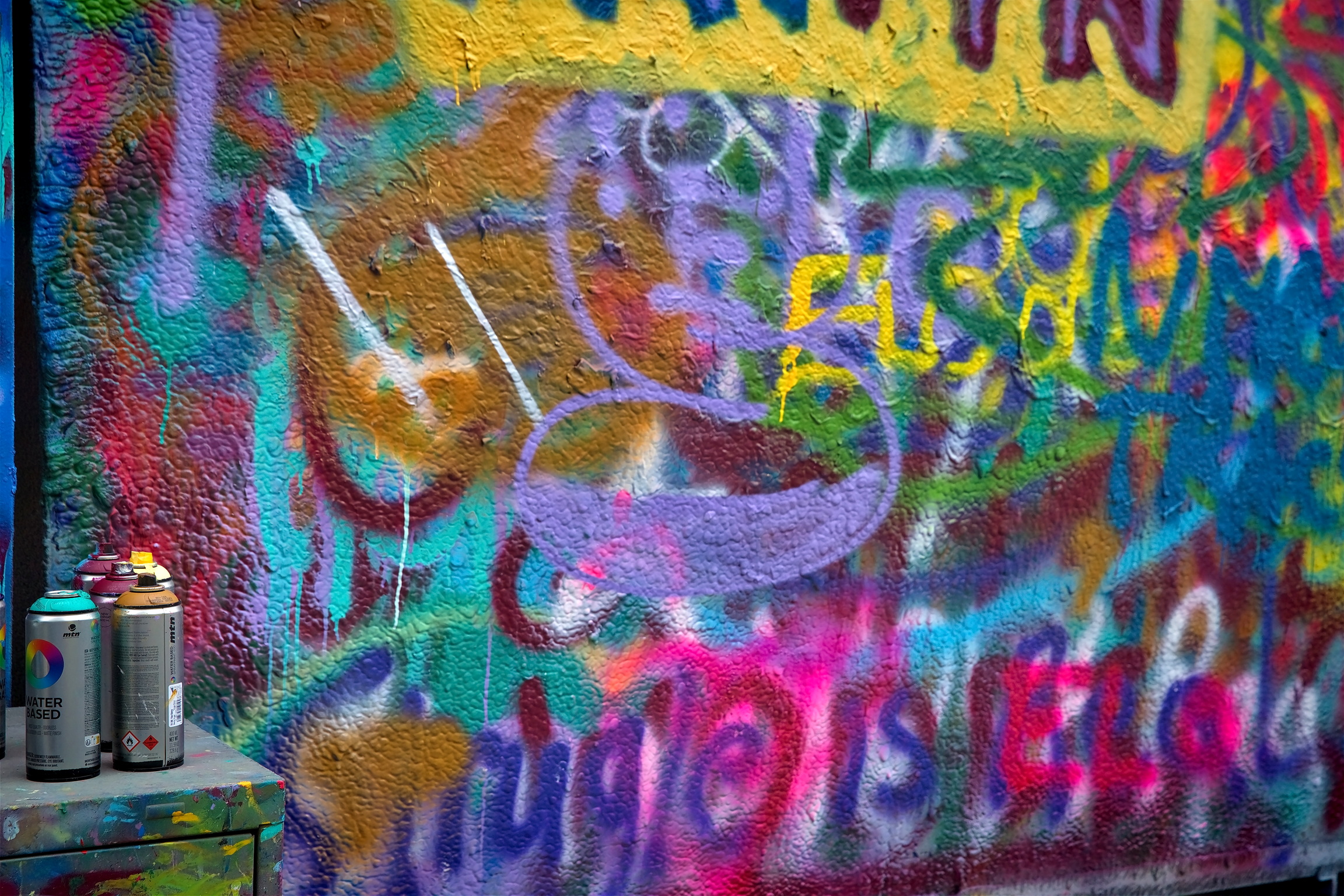
내가 처음 거리 벽화(낙서)를 접했을 때는
그림 속에서 반항의식을 보았다.
아무래도 건물이나 공공 시설물 같은 곳에 낙서를 하는 것은
가진 자에 대해 그렇지 못한 사람들이 가진 생각과 느낌을 분출하기 위해서일 것이다.
물론 그 당시에 이러한 종류의 예술(?)은 불법이었다.
거리 벽화는 아름답게 시작된 게 아니라, 거칠고 반항적인 외침에서 출발했다고 보는 것이 맞을 것 같다.
그러던 것이 이제는 자진해서 건물주들이 자기 건물의 빈 벽면을
예술적인 벽화로 채우기 시작했고
바라보면서 감탄을 자아내는 작품들도 늘어나기 시작했다.
그러므로 짜투리 시간을 메우는 효과적인 방법으로
마이애미의 Wynwood Walls라는 곳을 방문한 것이다.
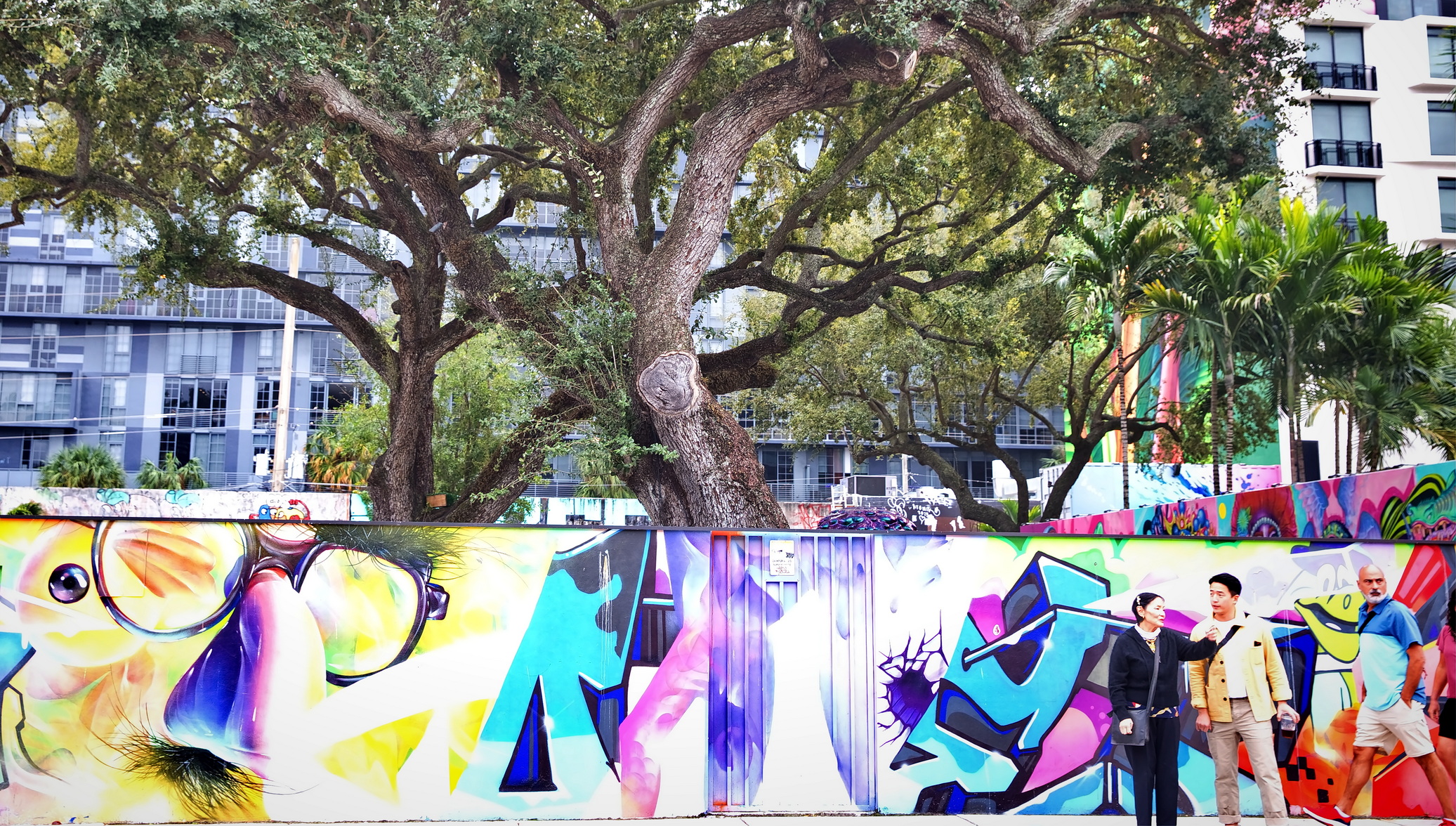
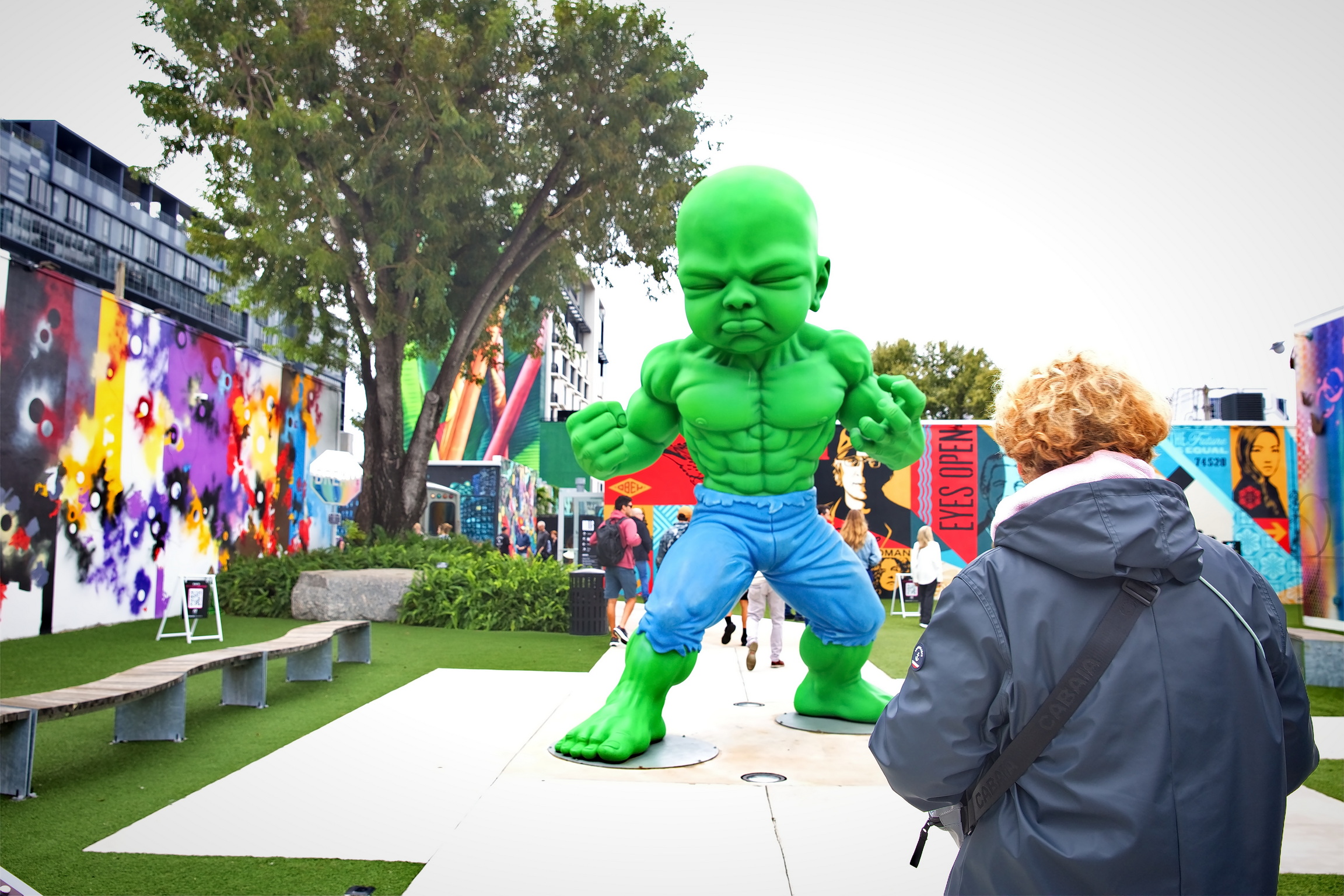
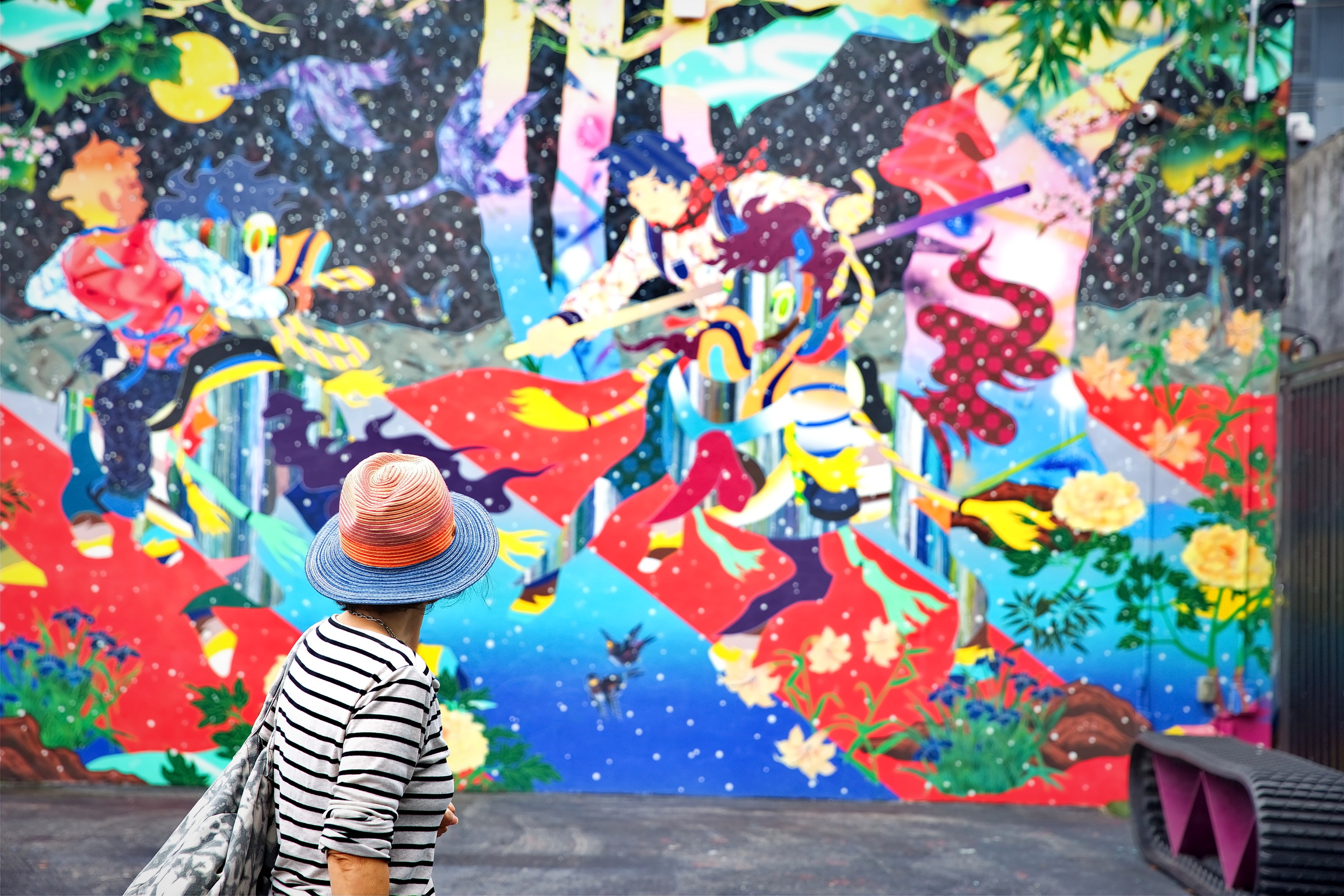
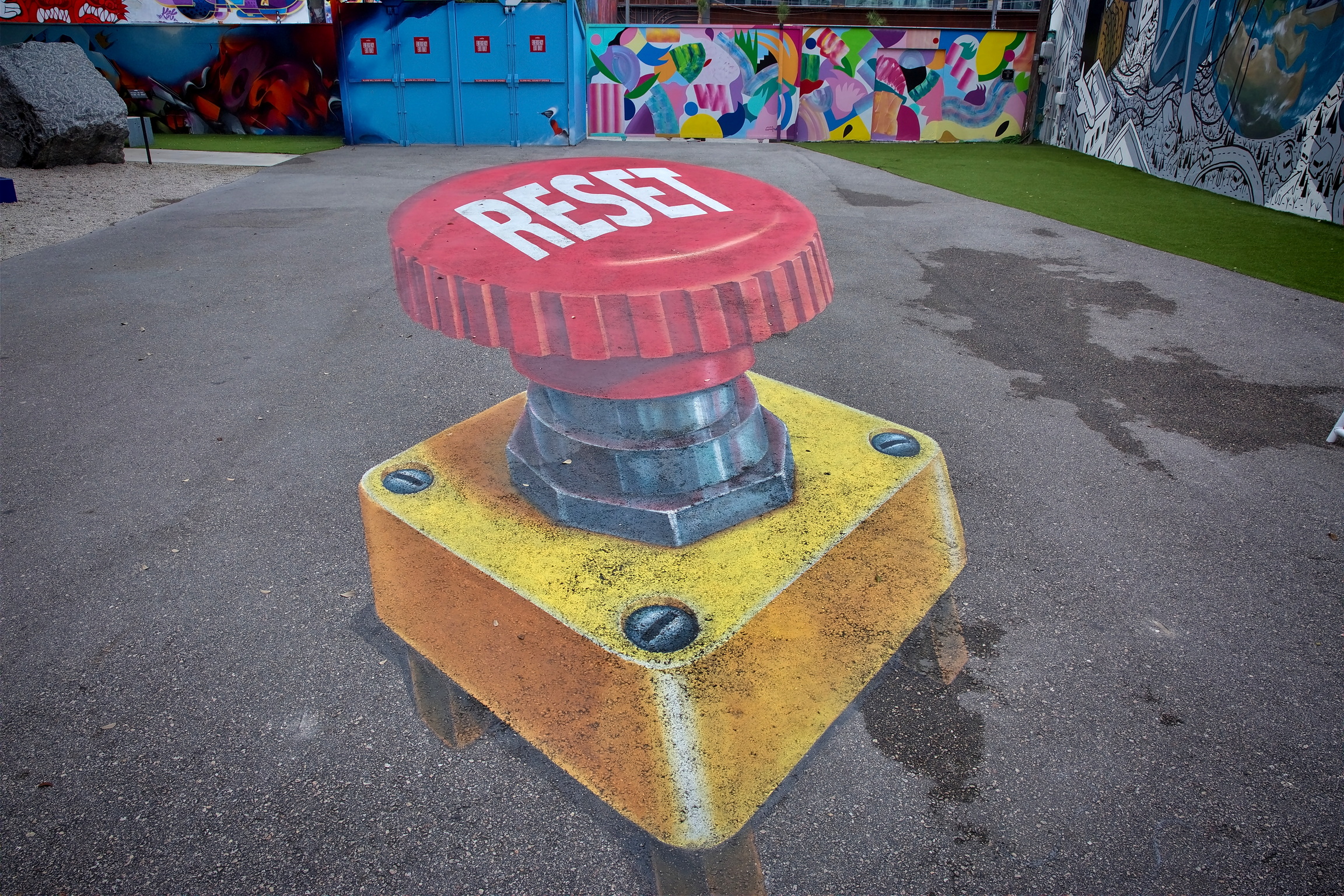
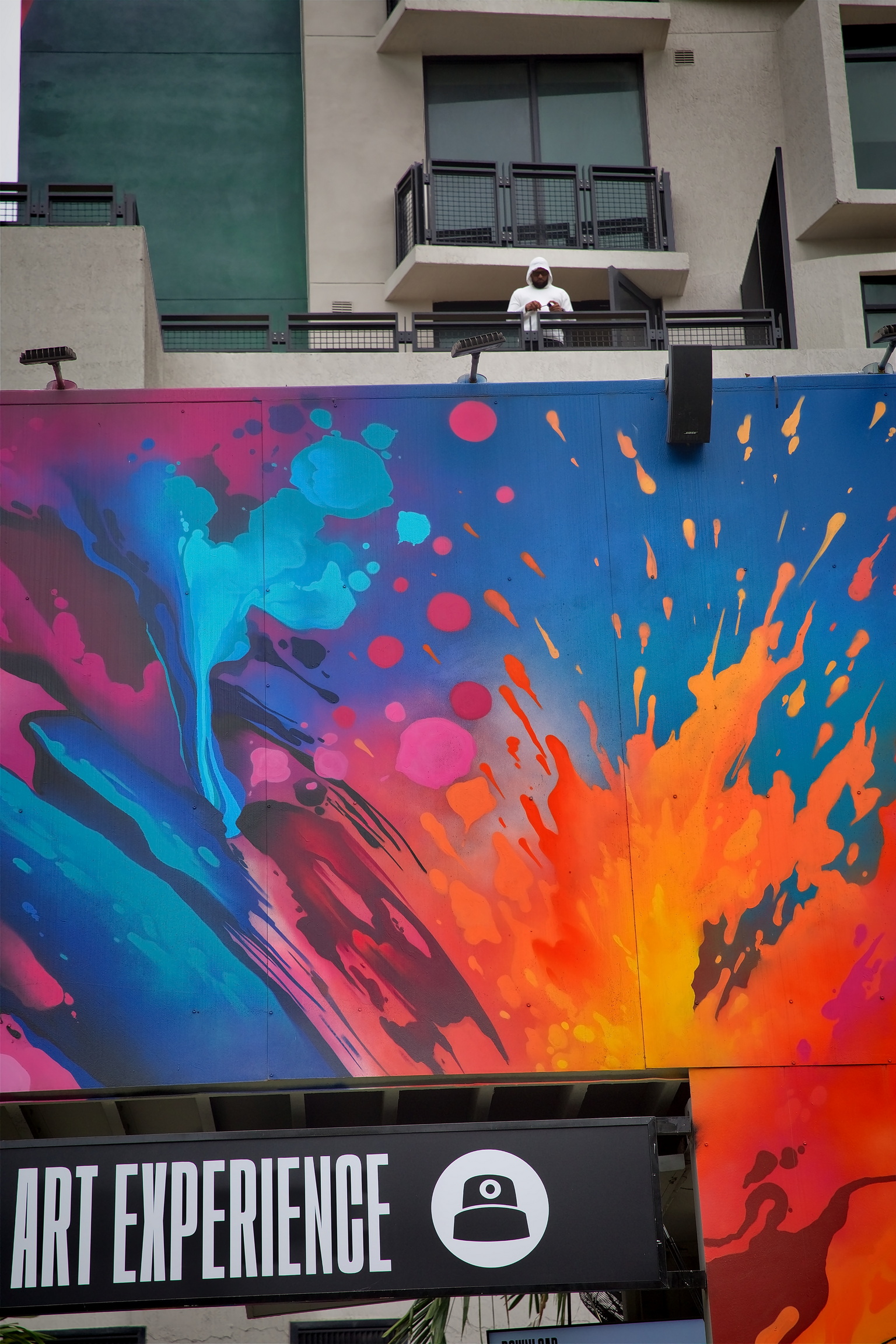
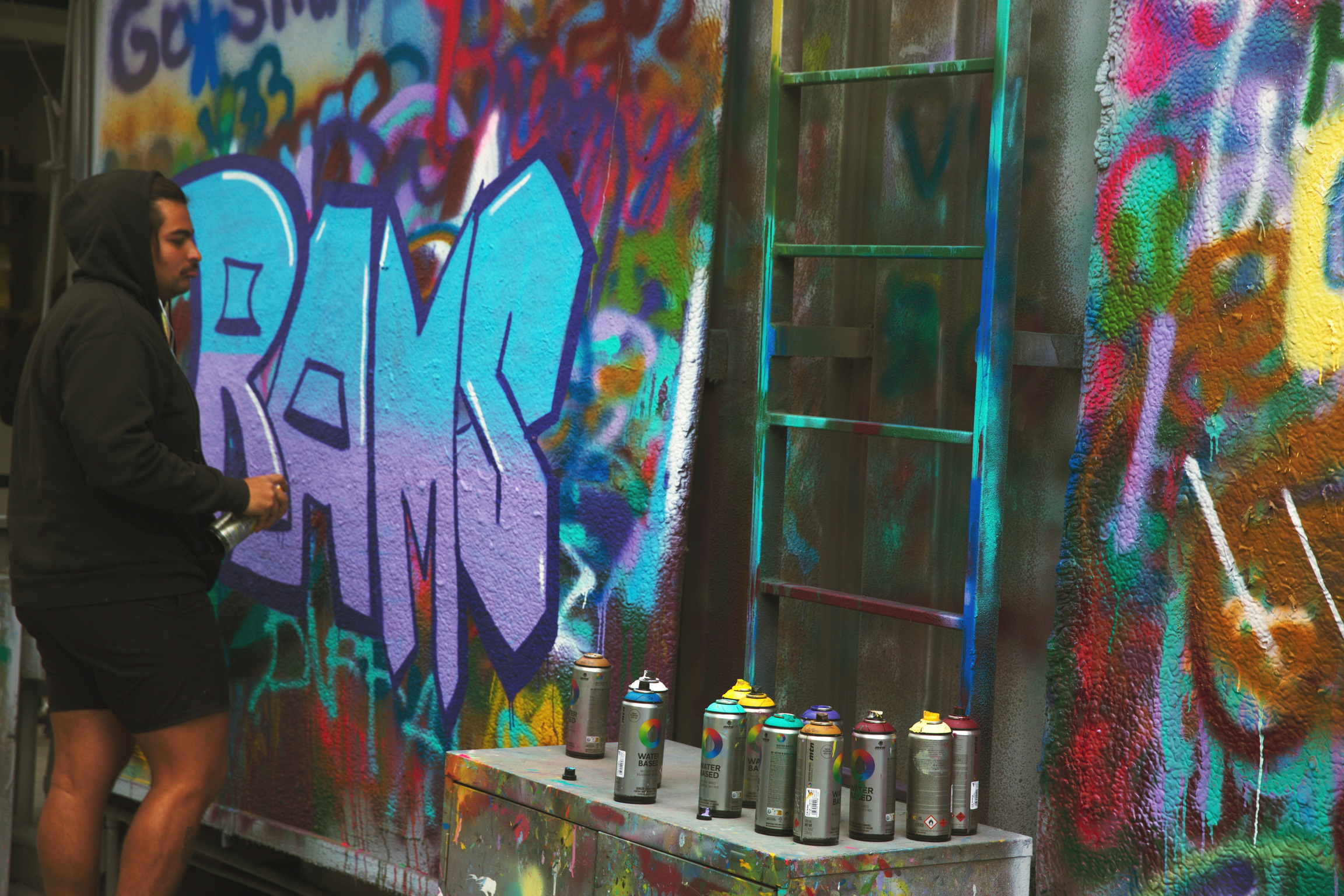
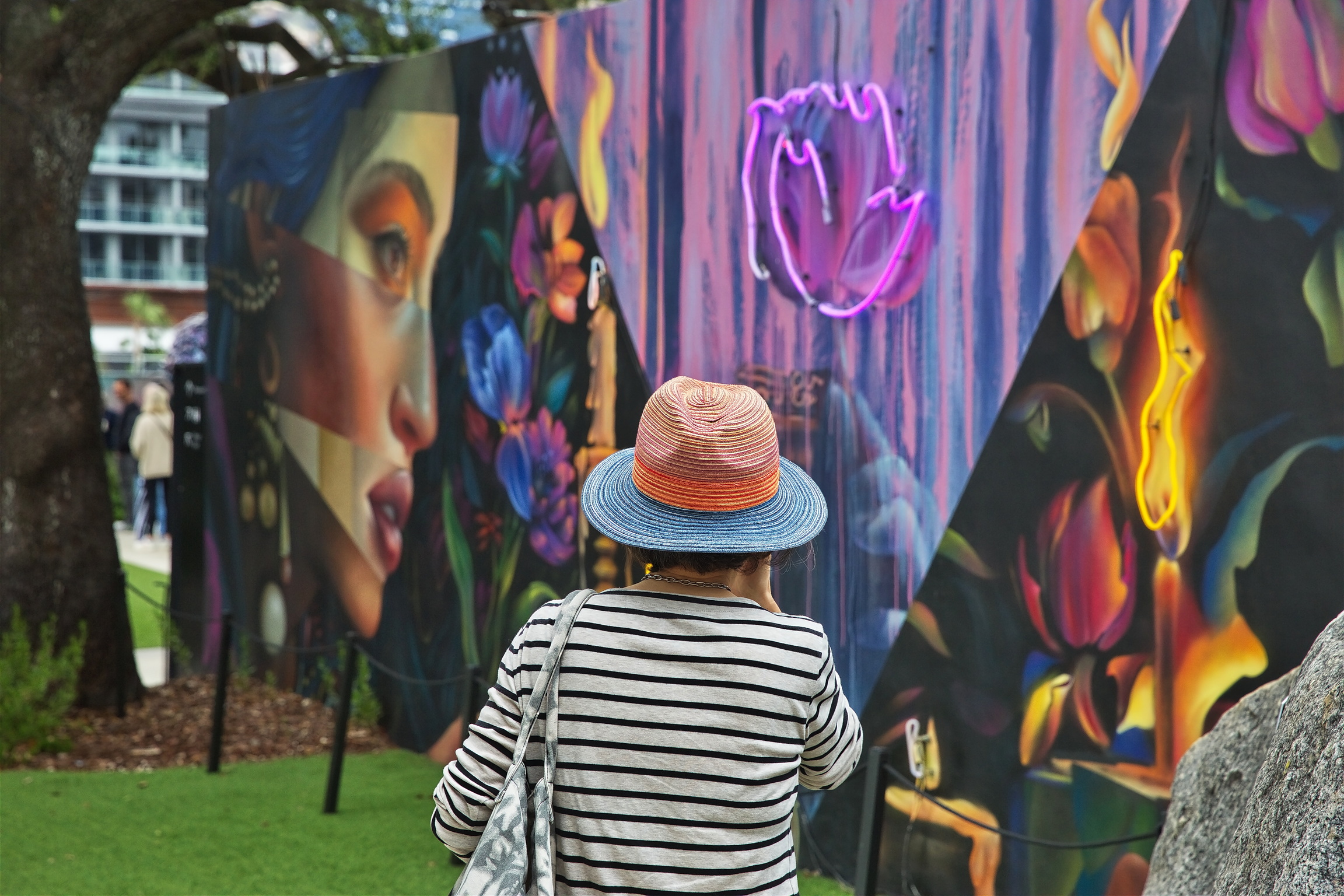
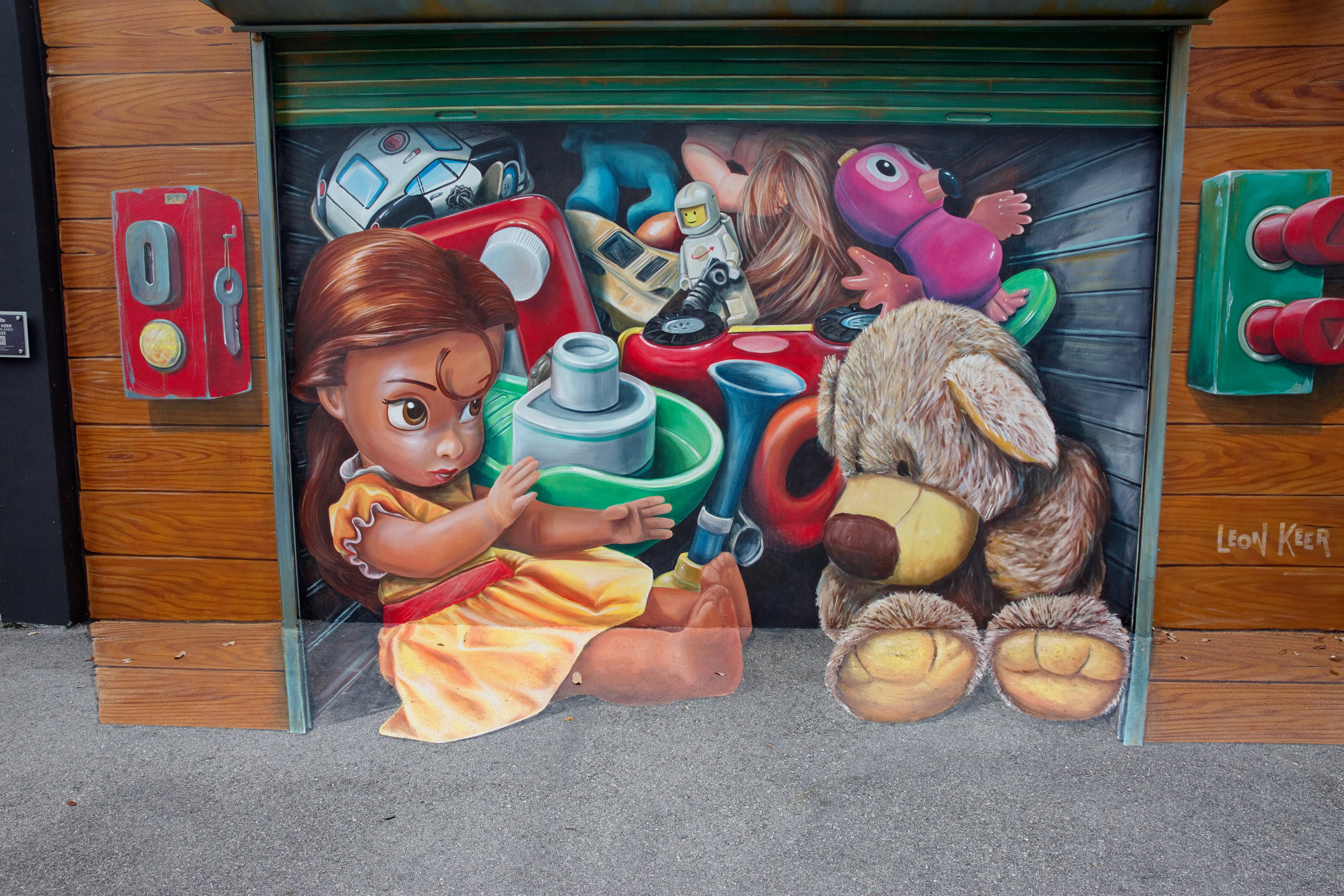
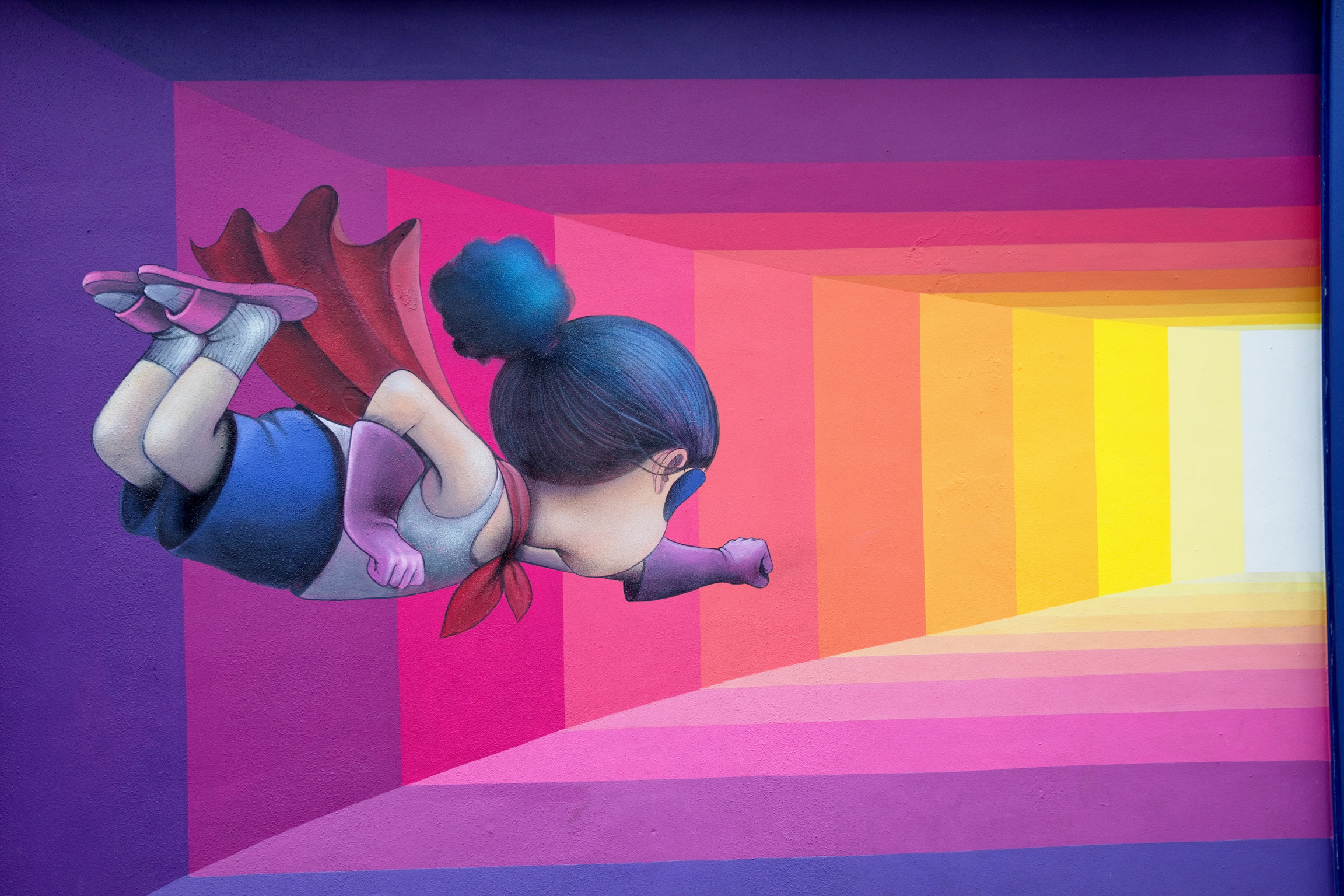
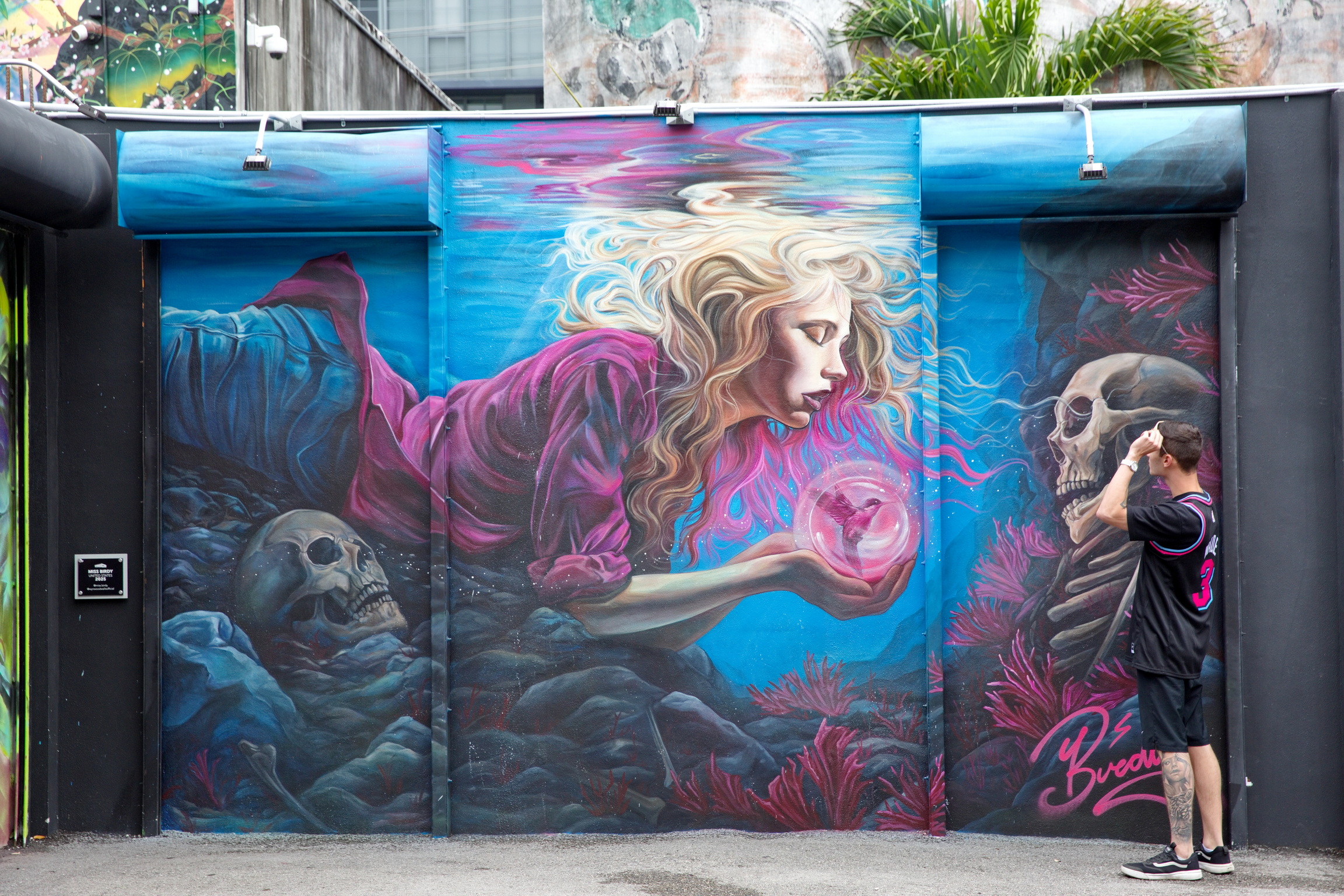
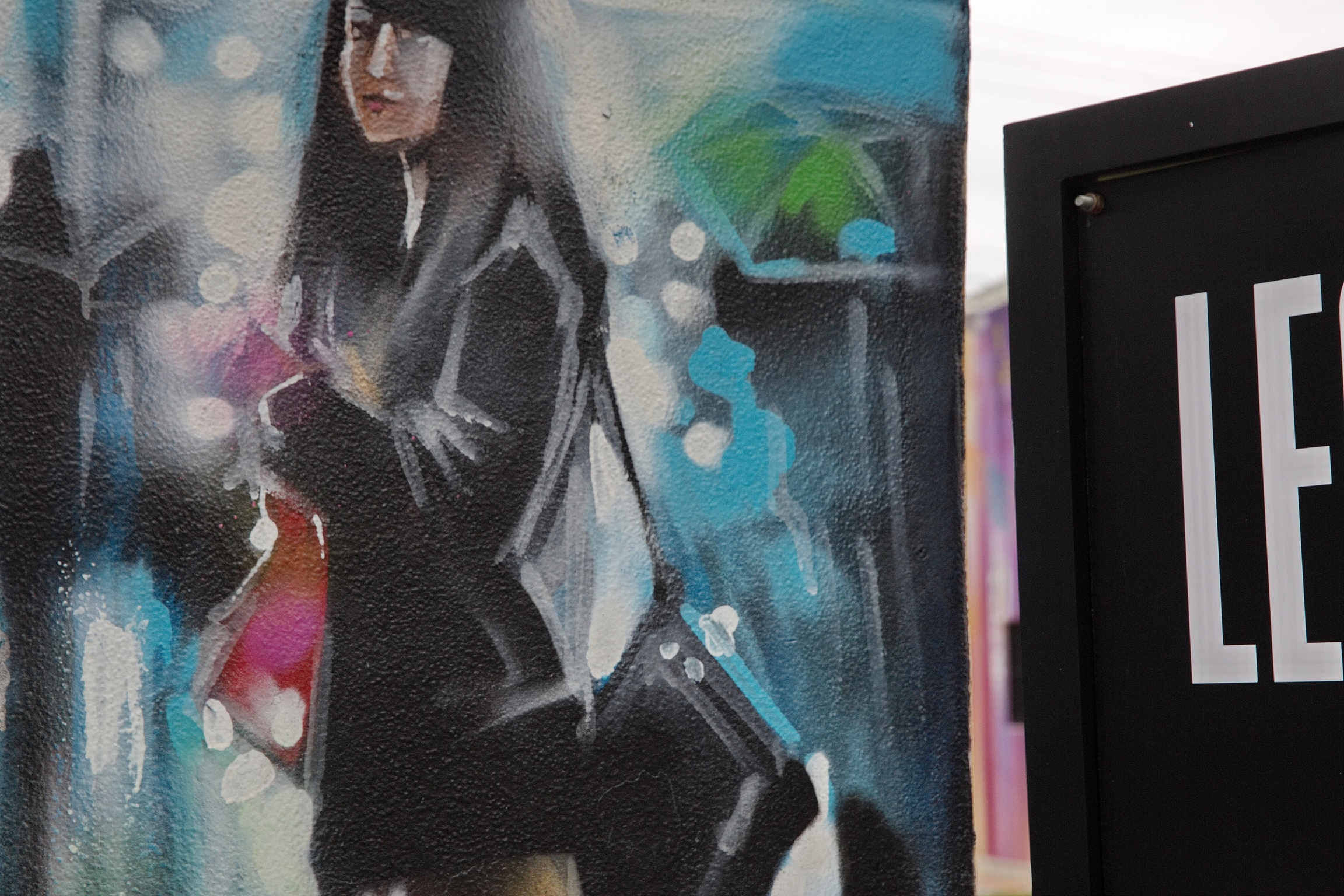
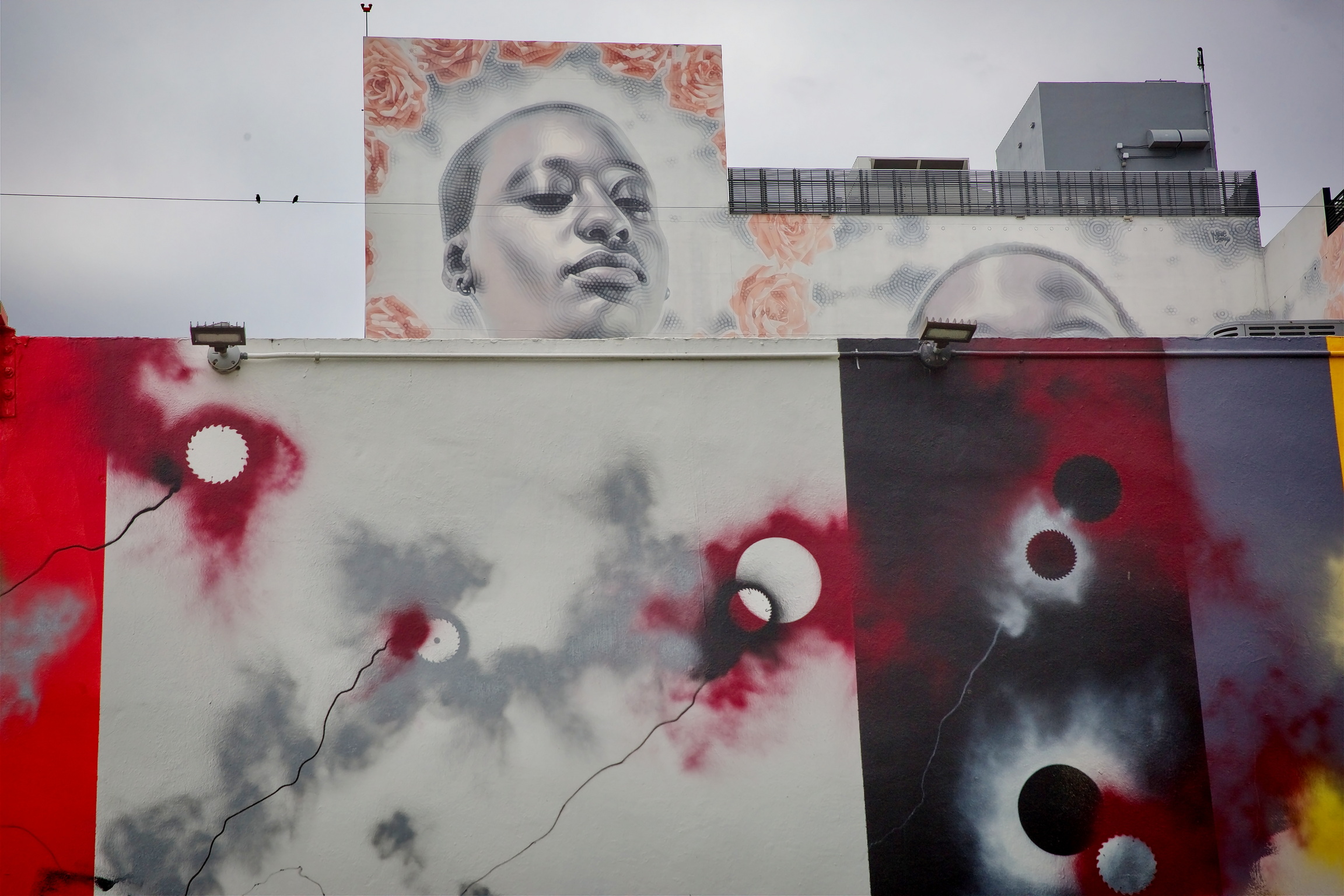
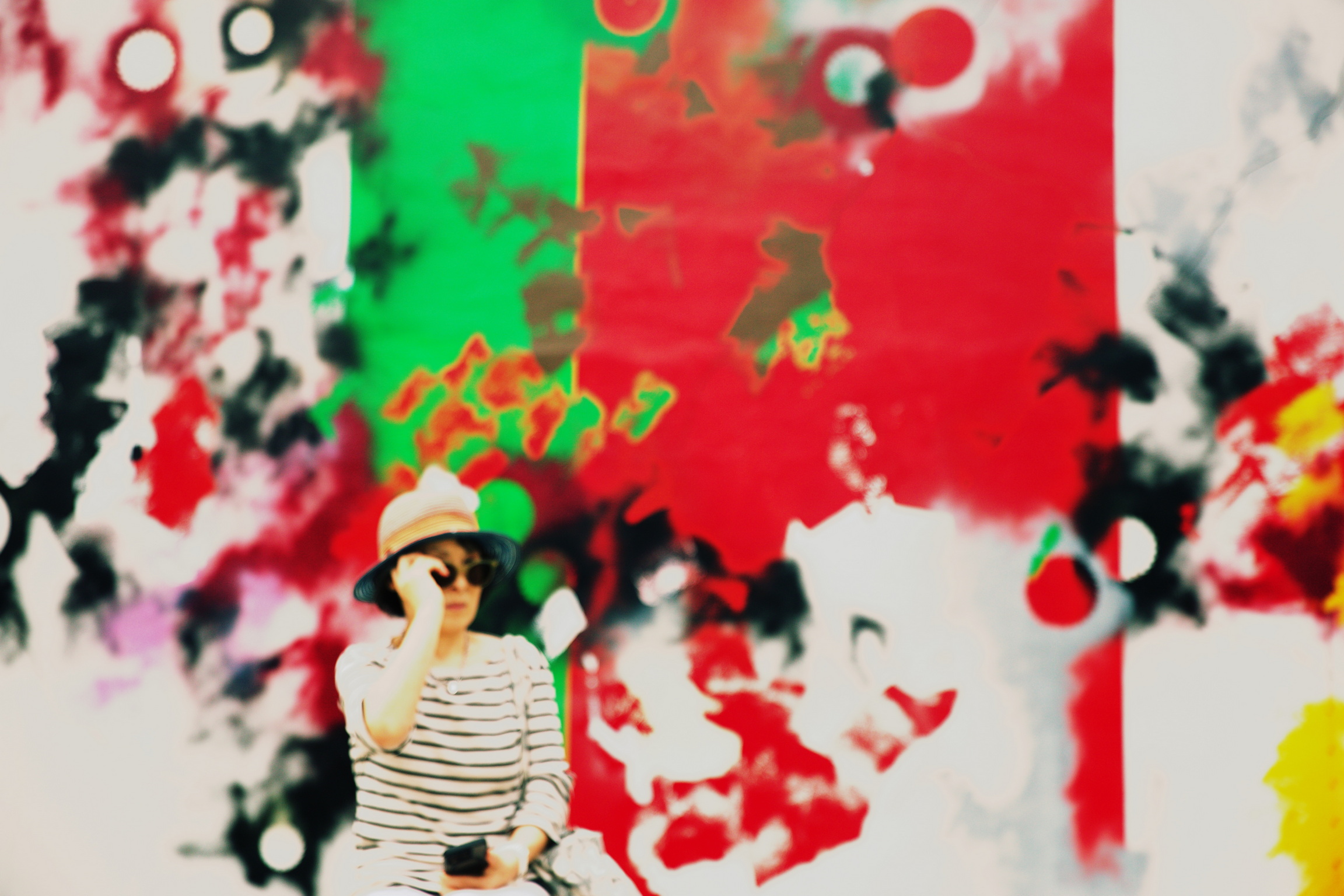
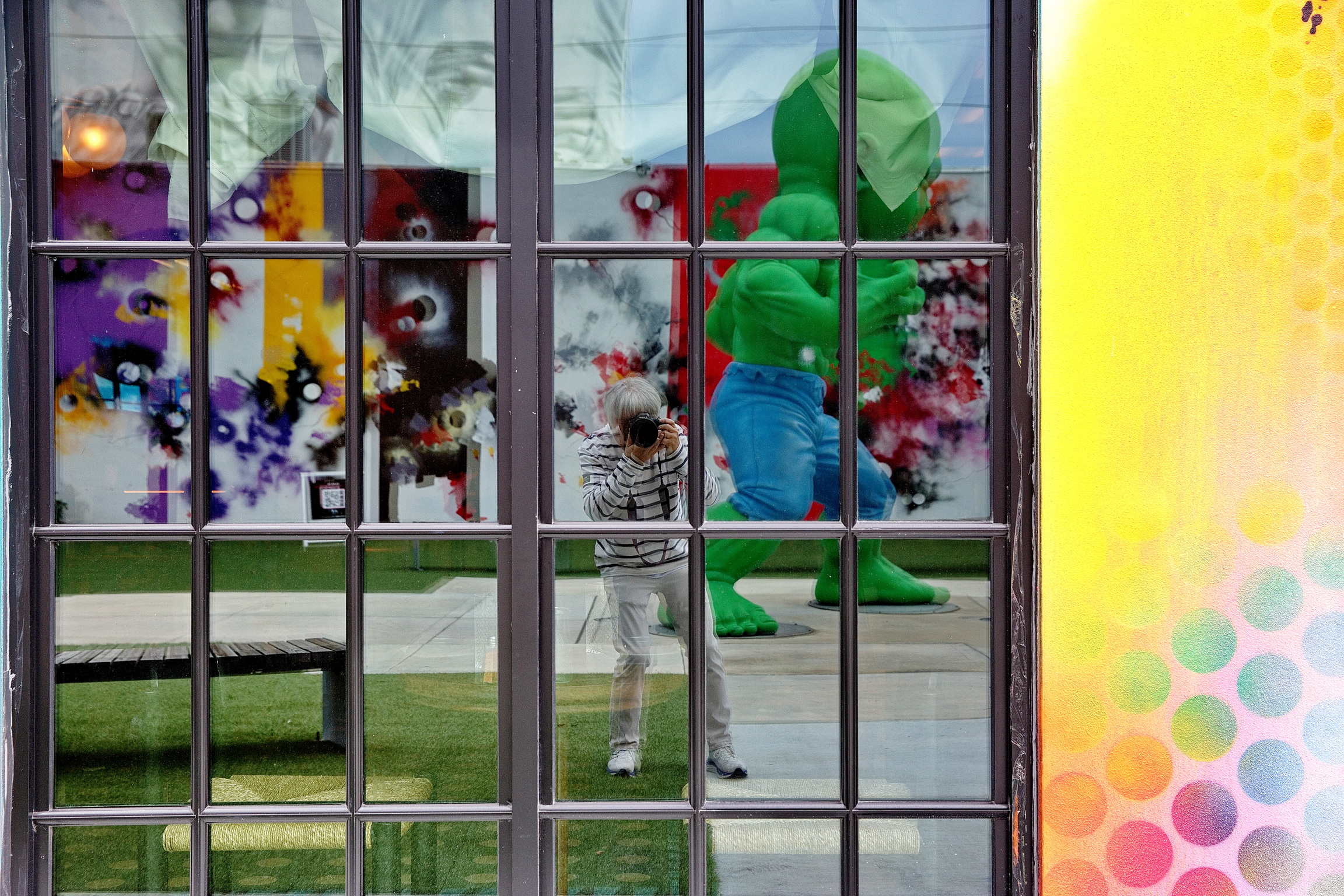
Wynwood Walls는 미국 마이애미에 있는 세계적으로 유명한 야외 스트리트 아트 미술관이다.
플로리다주 마이애미 윈우드 지역에서 2009년 부동산 개발자 토니 골드만이 시작했다.
낡은 창고 벽을 캔버스로 삼아 세계적인 그래피티 벽화 작가들이 작품을 그리기 시작해서 오늘에 이르렀다.
한때 황폐했던 공업 지대를 예술로 되살린 도시 재생의 대표 사례라고 할 수 있다.
원래는 반항적이던 스트리트 아트를 공식적으로 인정하고 전시 공간으로 끌어올린 곳이라서,
“거리 예술의 제도화”를 상징하는 장소로도 자주 언급되고 있다.
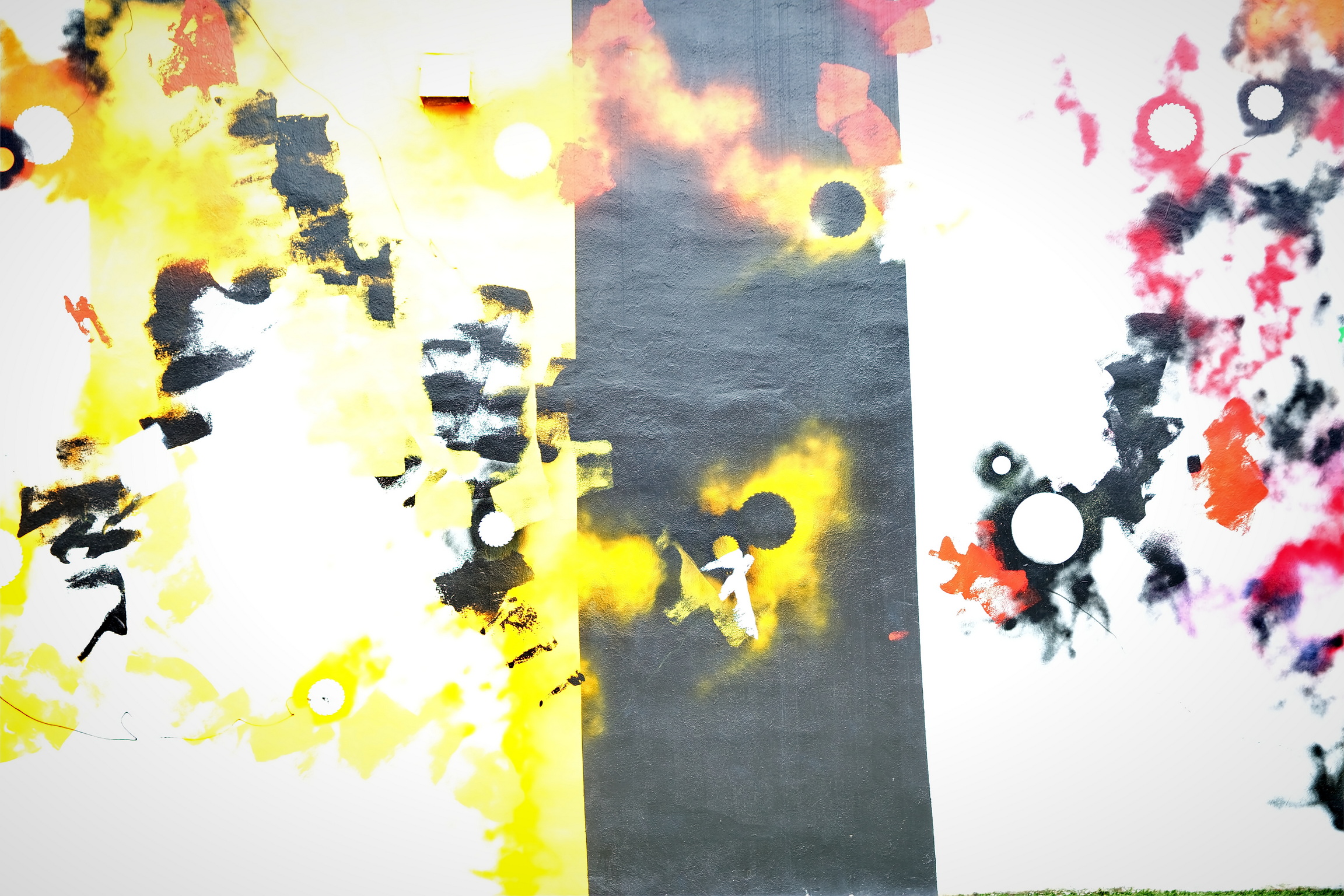
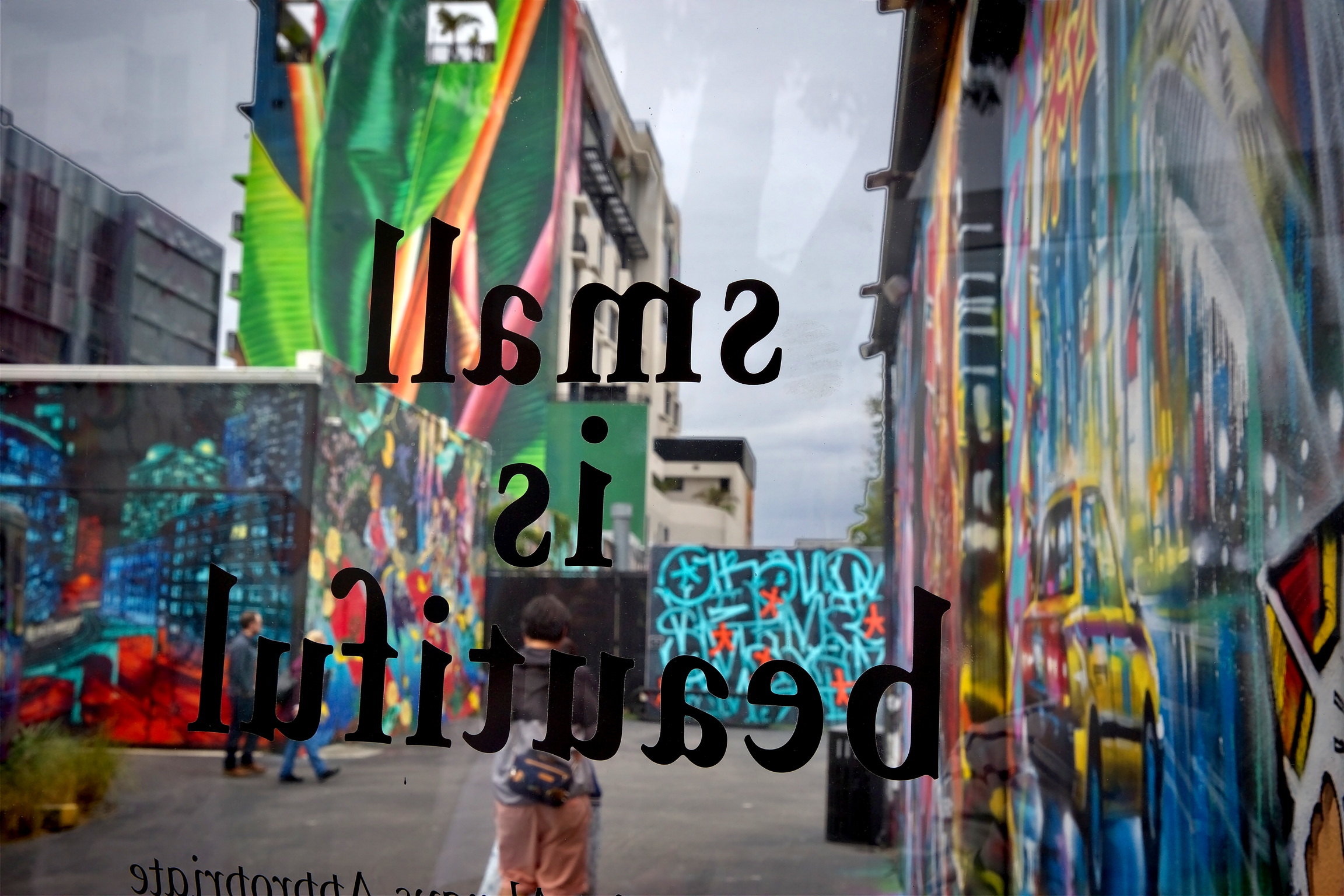
꼭 Wynwood Walls라는 벽 안 쪽 공간 뿐 아니라
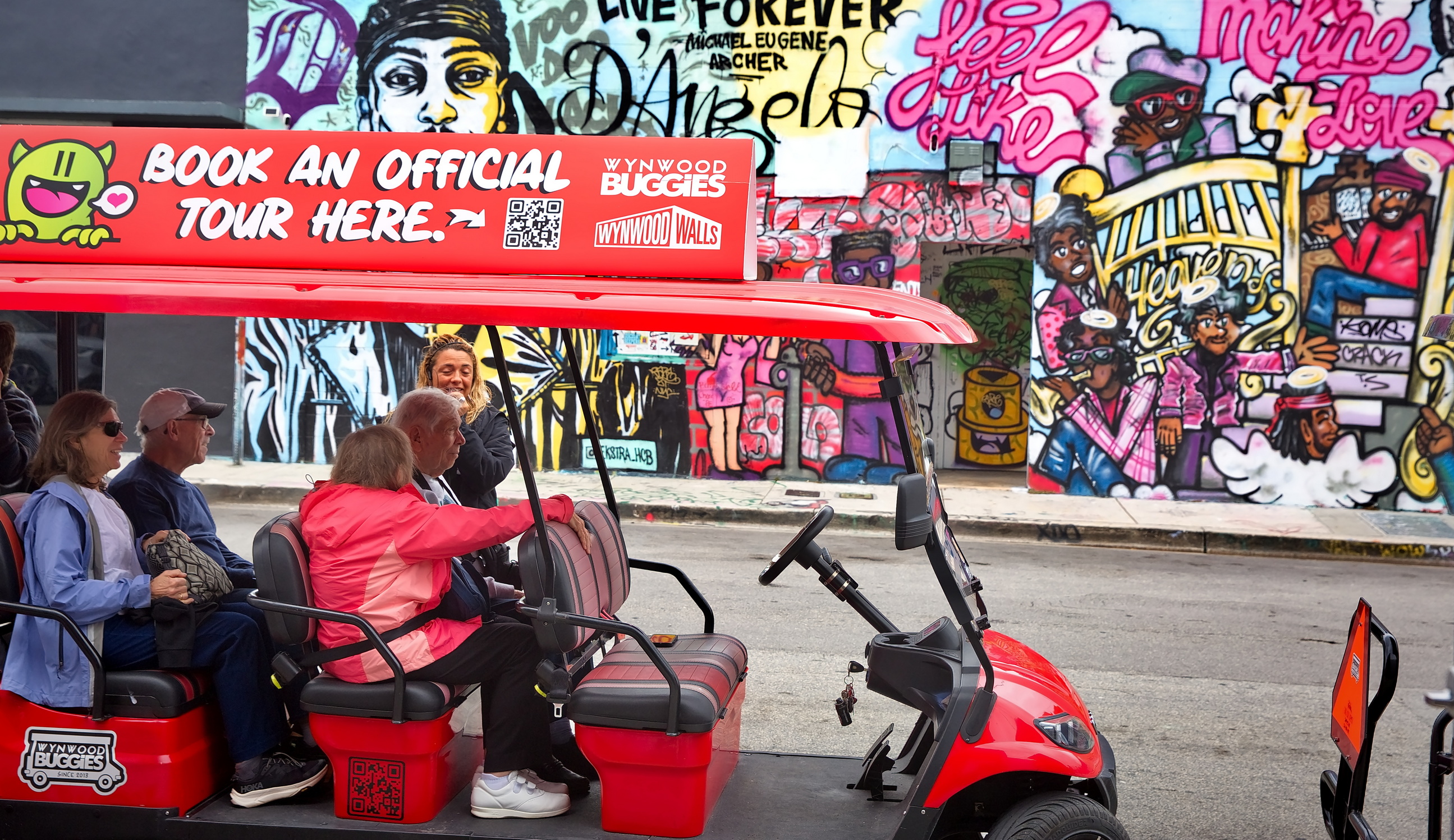
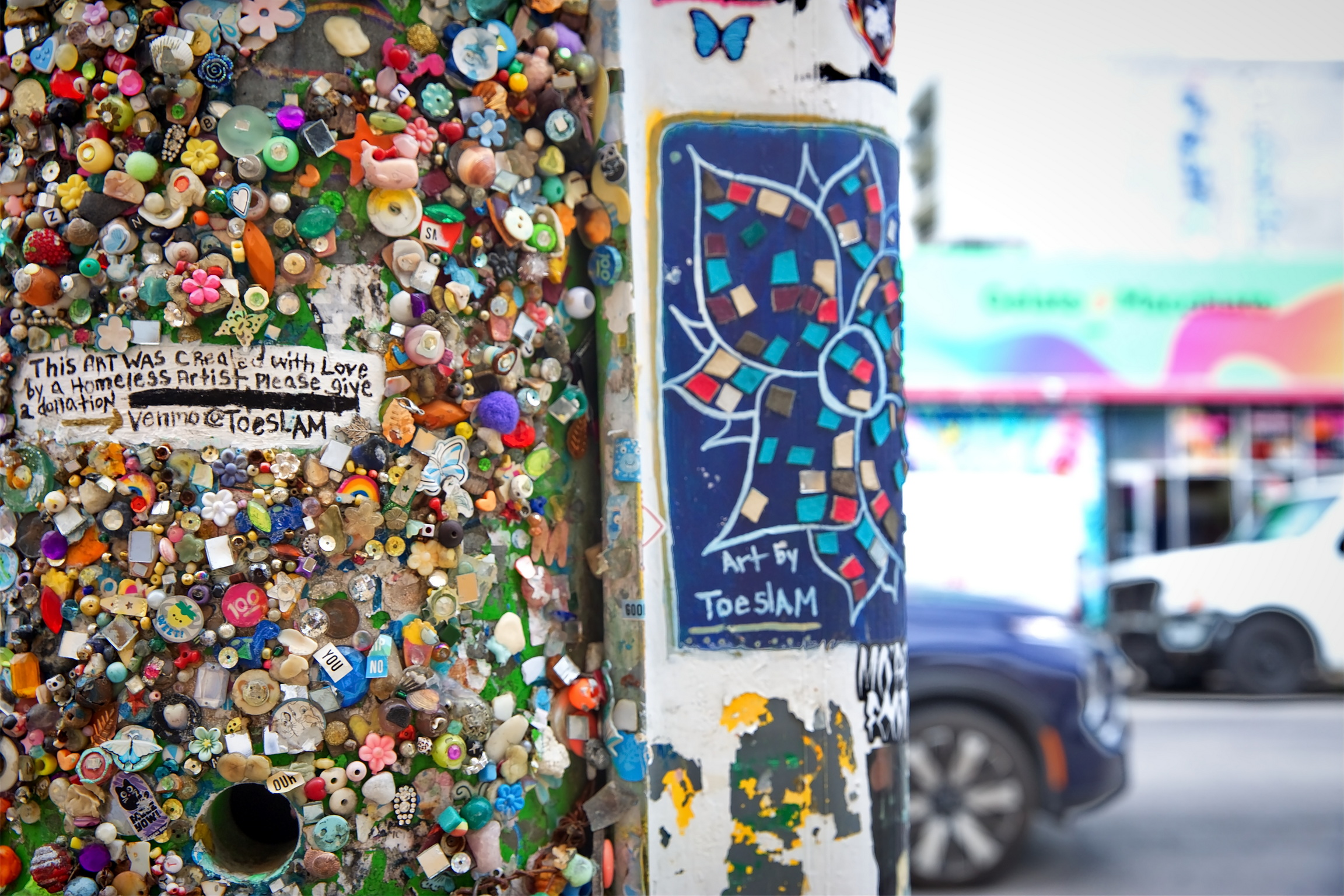
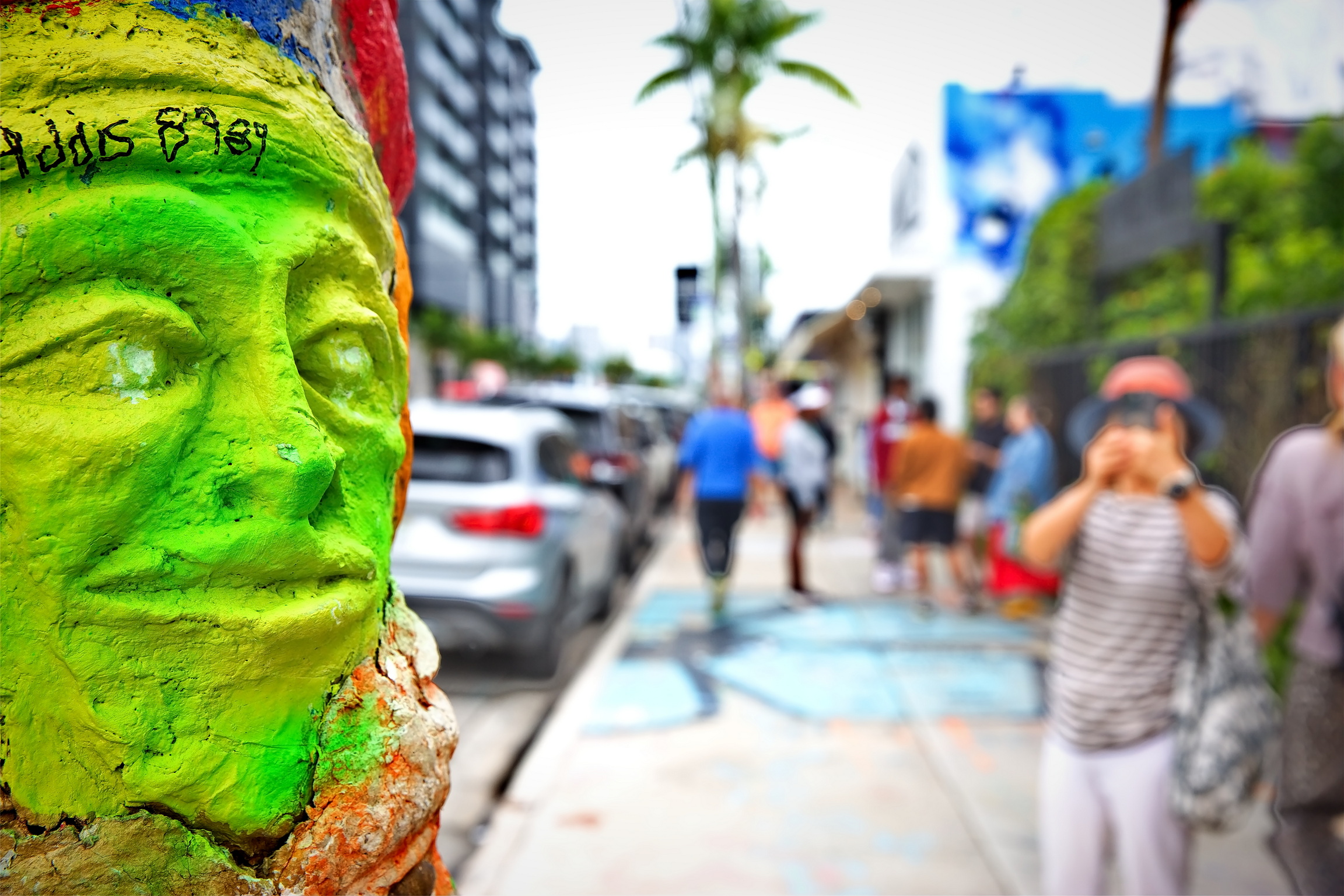
주변의 거리가 대부분 벽화로 채워져 있어서
시간이 있다면 운동삼아 거리를 걸어다닐 수 있지만
우리에게 주어진 시간은 한 시간이 조금 넘어서 할 수 없이 벽 안의 작품만을 감상했다.
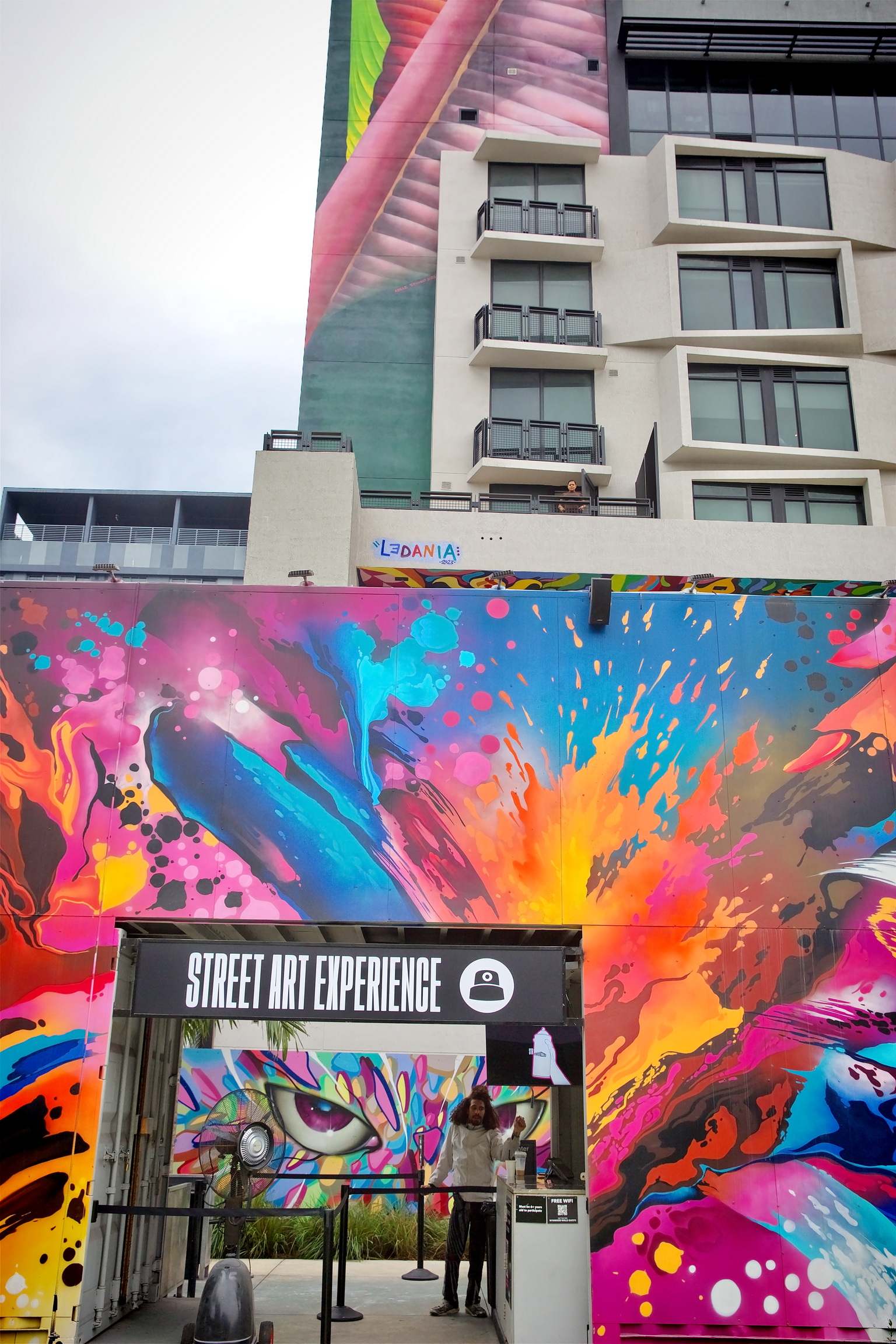
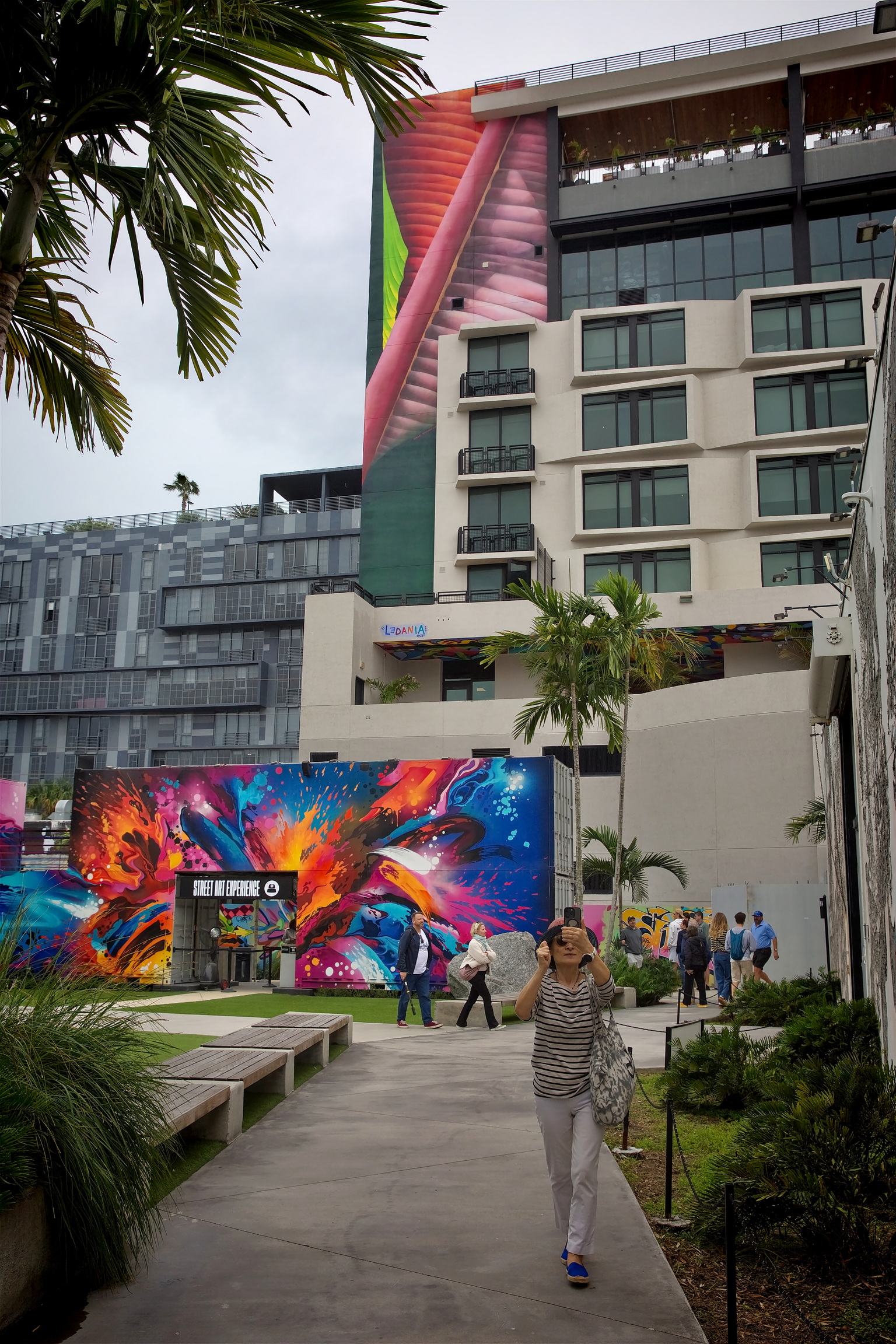
특별히 인상적인 것은 근처의 고층 건물의 벽면에 대형 Palm Tree가 그려져 있는데
상층부에 창문처럼 열린 공간이 있고 건물 안쪽에는 실제의 palm tree가 자라고 있다.
실제와 그림이 진짜 나무와 절묘하게 조화된 작품이다.
나는 이렁 아이디어를 가진 작품이 휼륭하다고 생각한다.
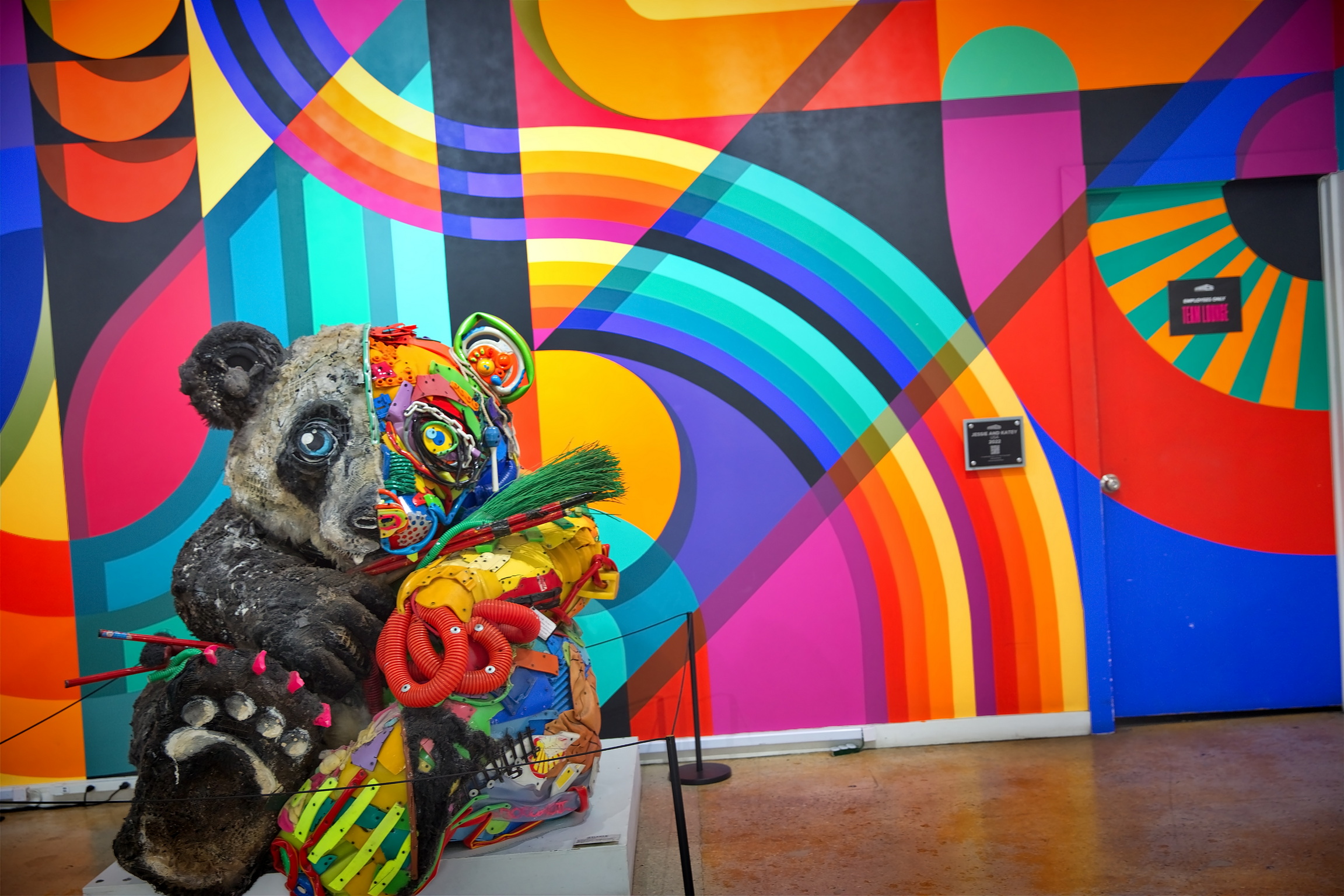
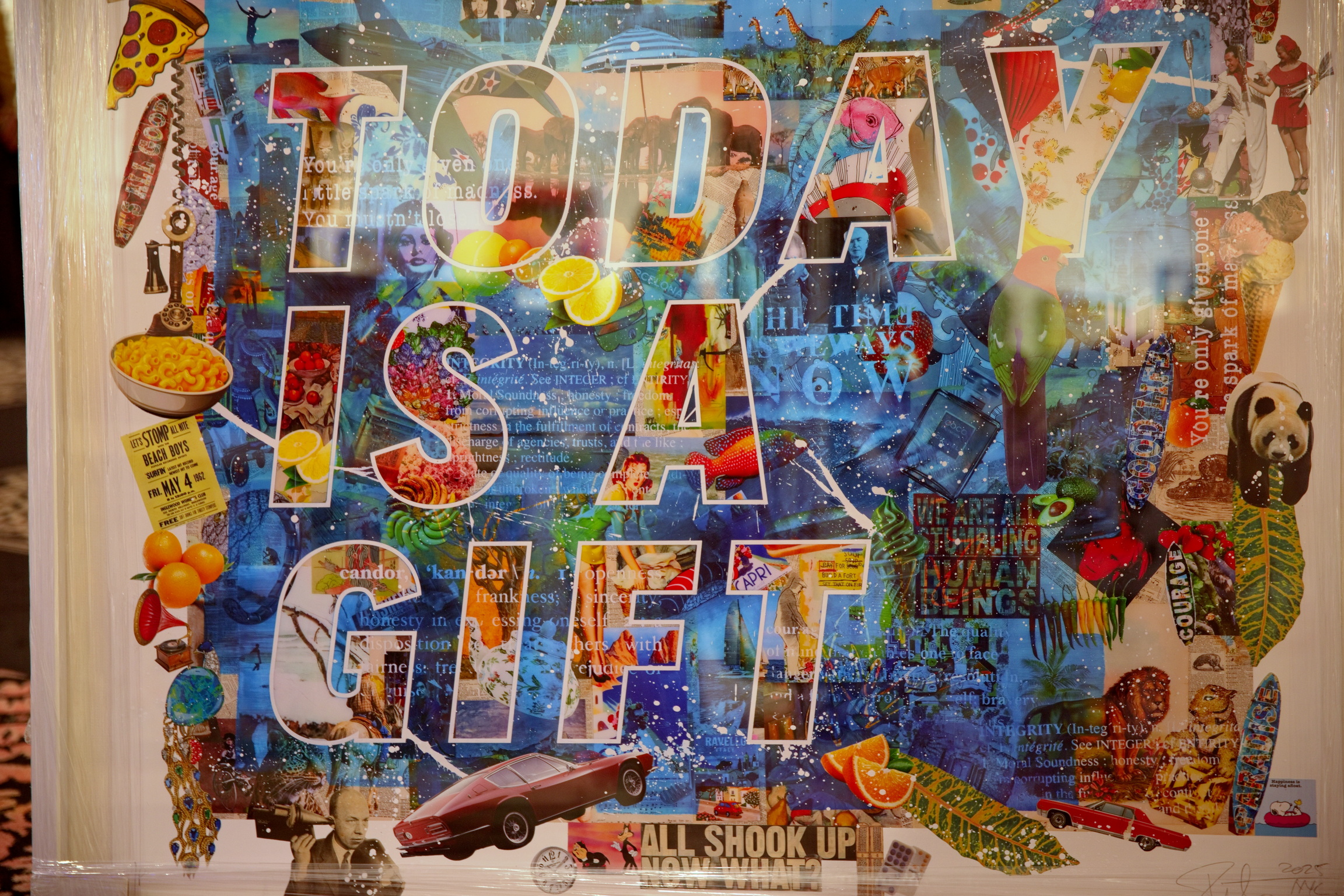
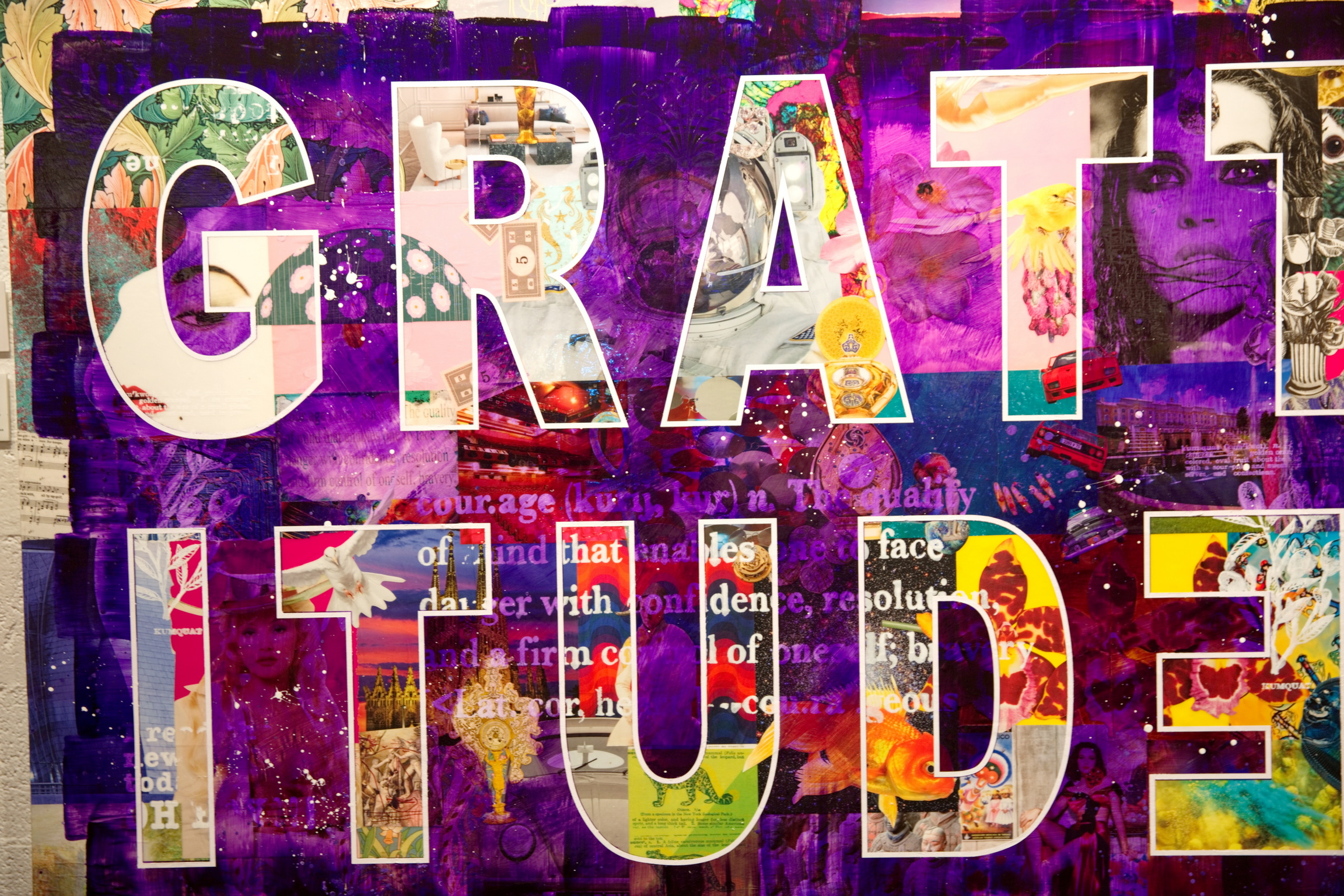
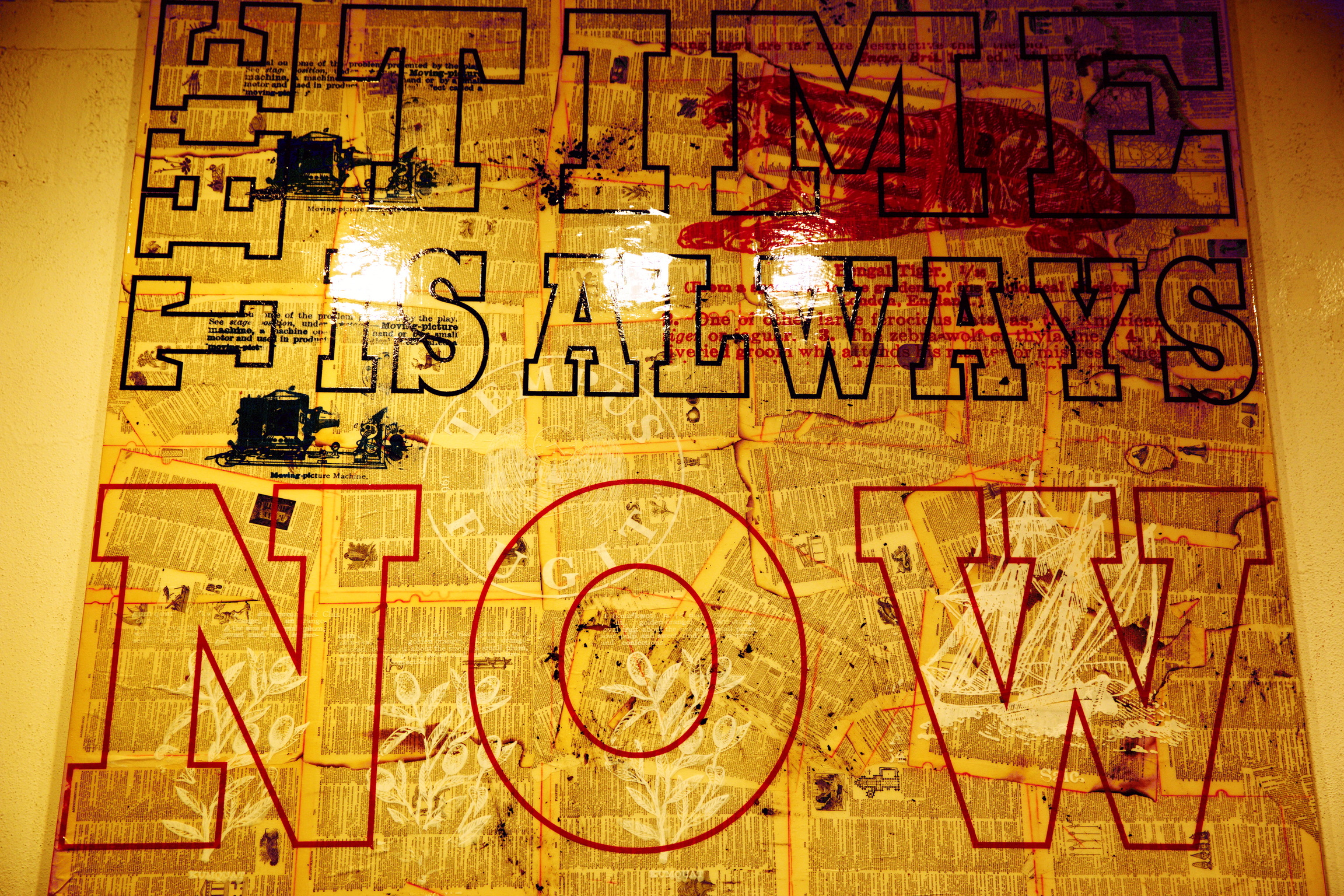
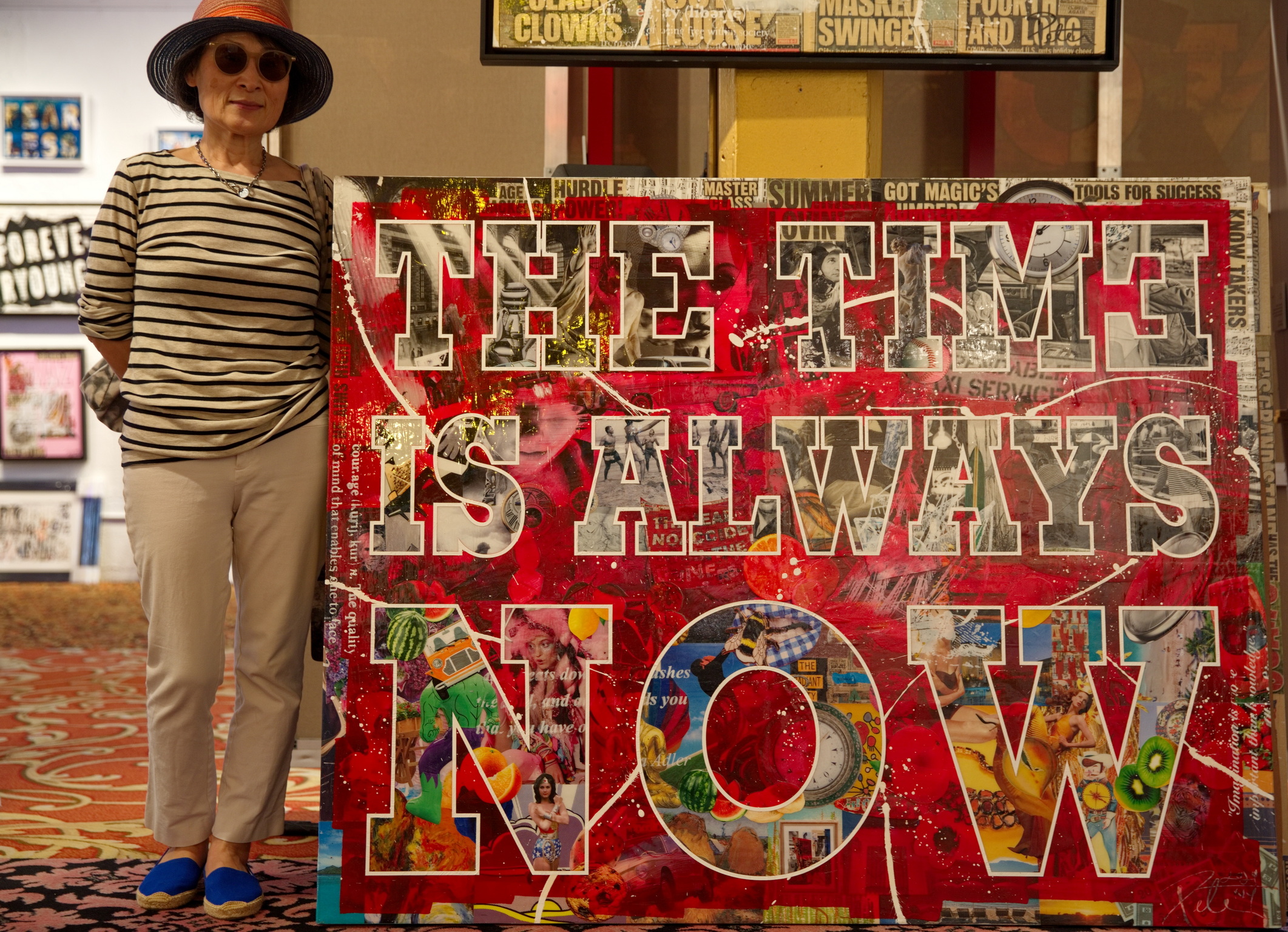
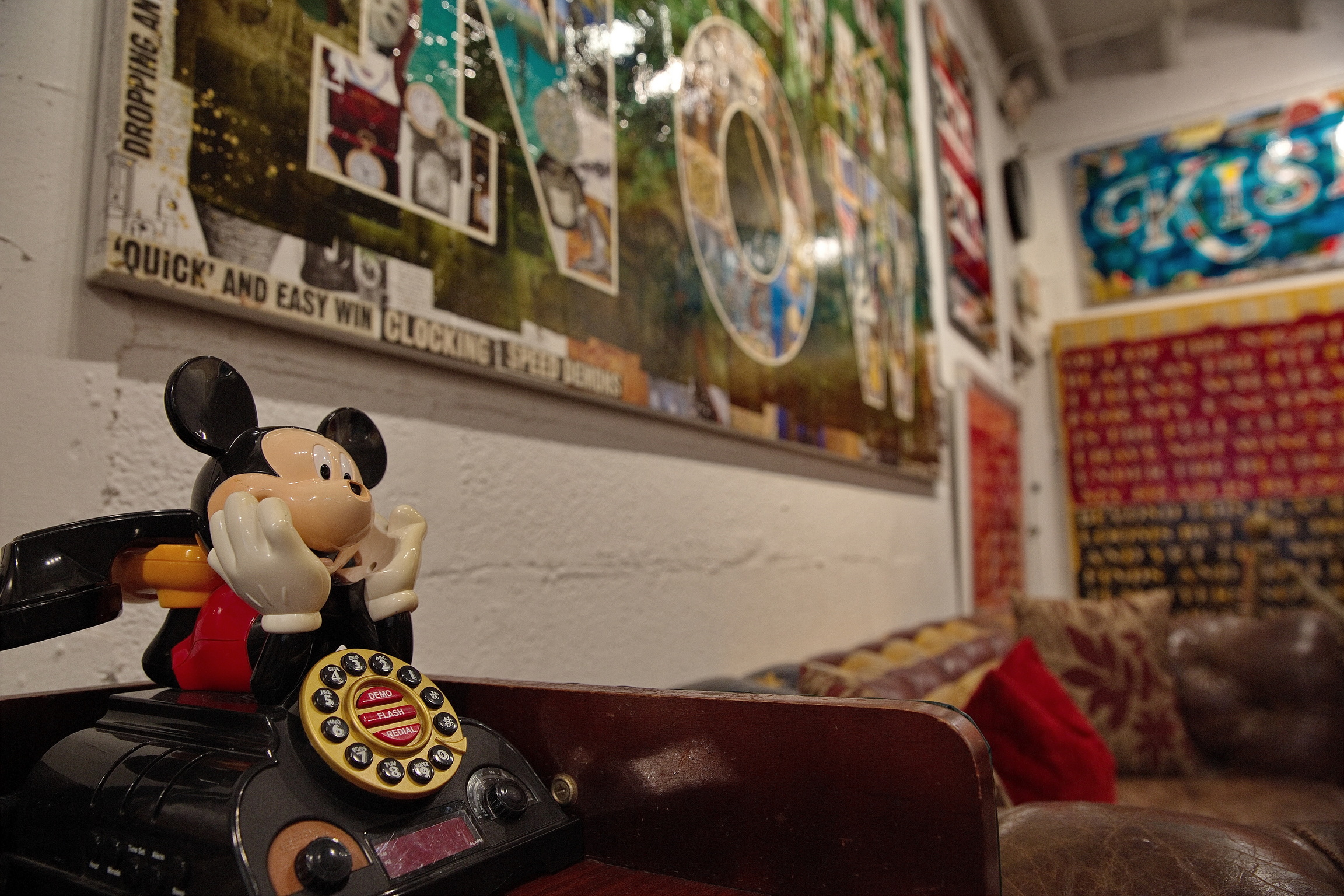
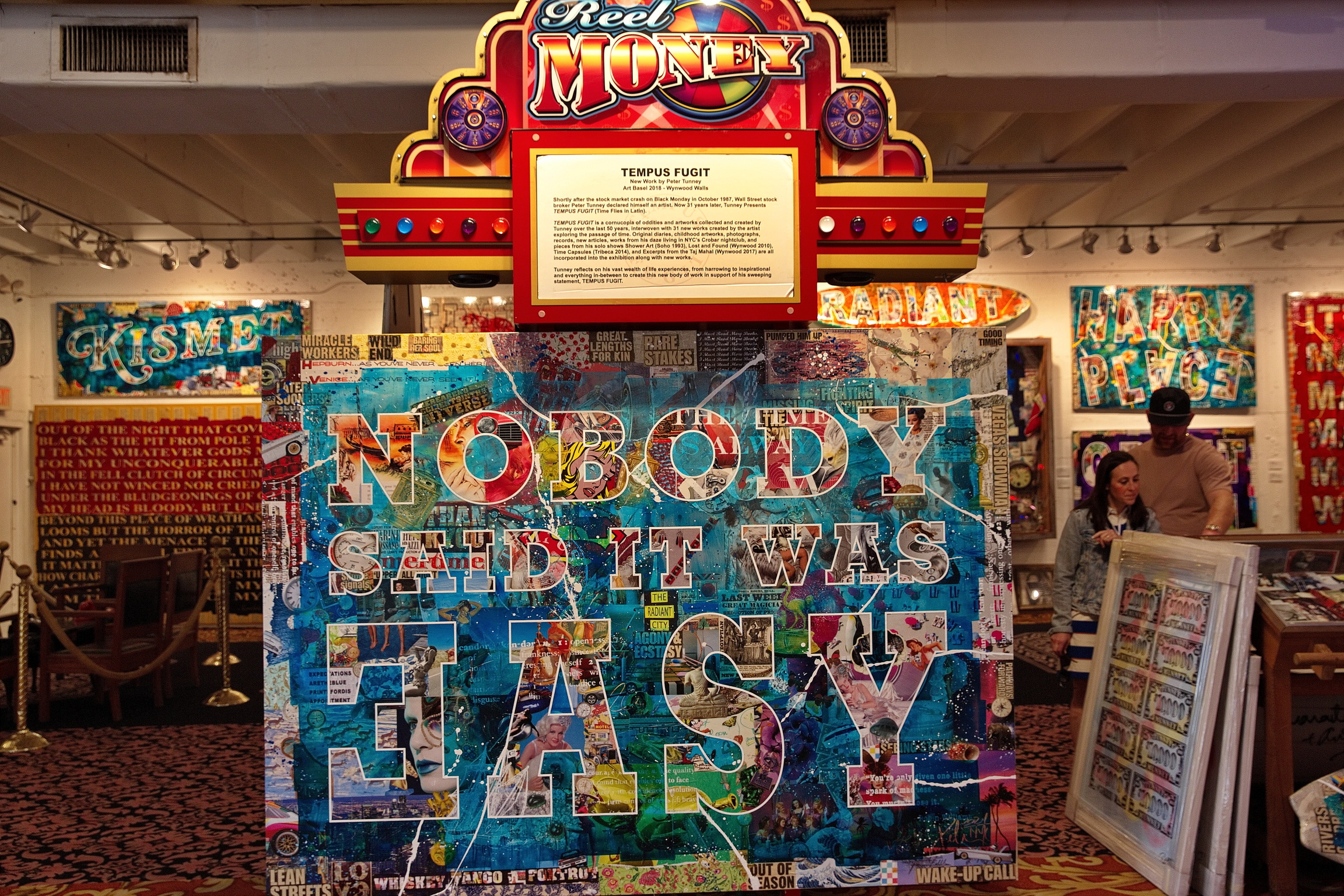
그리고 실내 전시장에는 액자에 들어가는 크기의 작품들이 전시되고 있는데
거기서 작은 감동을 받았고,
내 의식에도 변화를 주었다.
Graffiti 작가들은 반항 의식을 저변에 깔고 있을 거라는 생각을 했는데
작품들을 보면서 내 생각을 바꾸지 않을 수 없었다.
거리 벽화를 의미하는 Graffiti를 감사의 의미를 의미하는 Gratitude로 바꾸어
그림을 그린 것이다.
Graffiti의 출발은 보통 인정받지 못한 존재, 중심축에서 밀려난 정체성에서 나왔다고 보는데,
초기의 작가들은 이름(tag)을 남기고, 벽에 흔적을 남기며 존재 증명과 저항을 표현하려고 했다.
이 단계에서는 분노, 반항, 결핍이 강했을 것이다.
그러나 시간이 지나면서
그래피티가 대중의 관심을 받고,
지역 사회에 긍정적 영향을 주며,
공식 프로젝트(예: Wynwood Walls)에 초대되기 시작하면서,
작가들의 태도에도 변화가 생기기 시작했을 것이다.
일부 거리 벽화 작가들은 이제 벽을 싸움의 대상이 아니라 선물의 대상으로 보기 시작한 것 같다.
그래서 작품에 희망과 연대, 감사와 공동체에 대한 존중을 담기 시작한 것이 아닐까?
그래서 Graffiti를 Gratitude로 표현했을 것 같다.
나는 이곳에서 거리의 낙서가 예술로 정제되고 순화되어가는 희망을 보았다.
다만 시간 관계로 Wynwood Walls라는 벽의 밖에 존재하는,
진정한 거리의 예술을 둘러 보지 못한 것이 아쉬웠다.
닫혀 있는 상가, 무너진 건물 잔해에 남아 있는 벽화의 흔 적 같은 것에는
아마도 Graffiti의 원형 같은 것이 남아 있을 것 같다는 그런 아쉬움을 안고 마이애미와 작별했다.

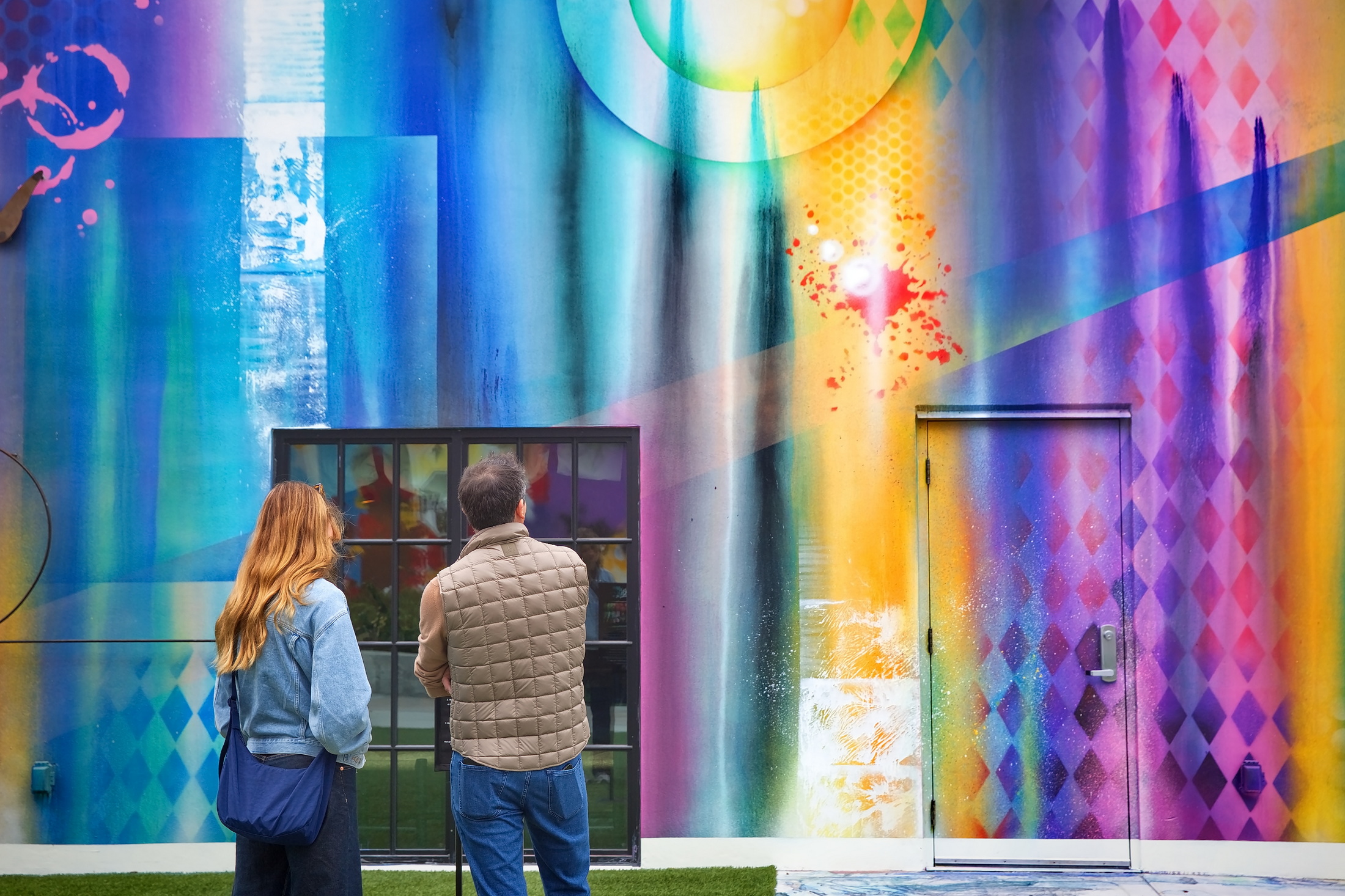
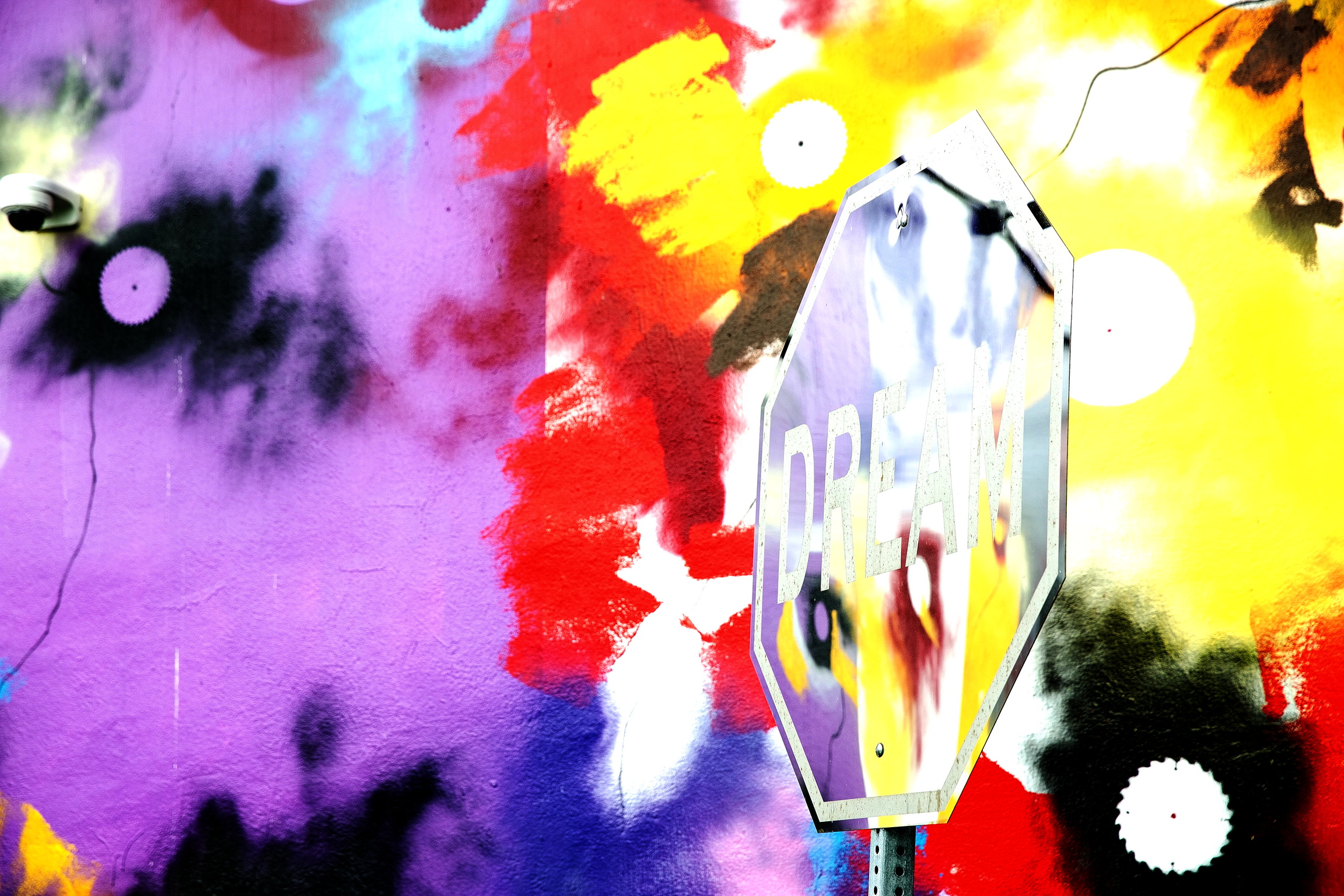
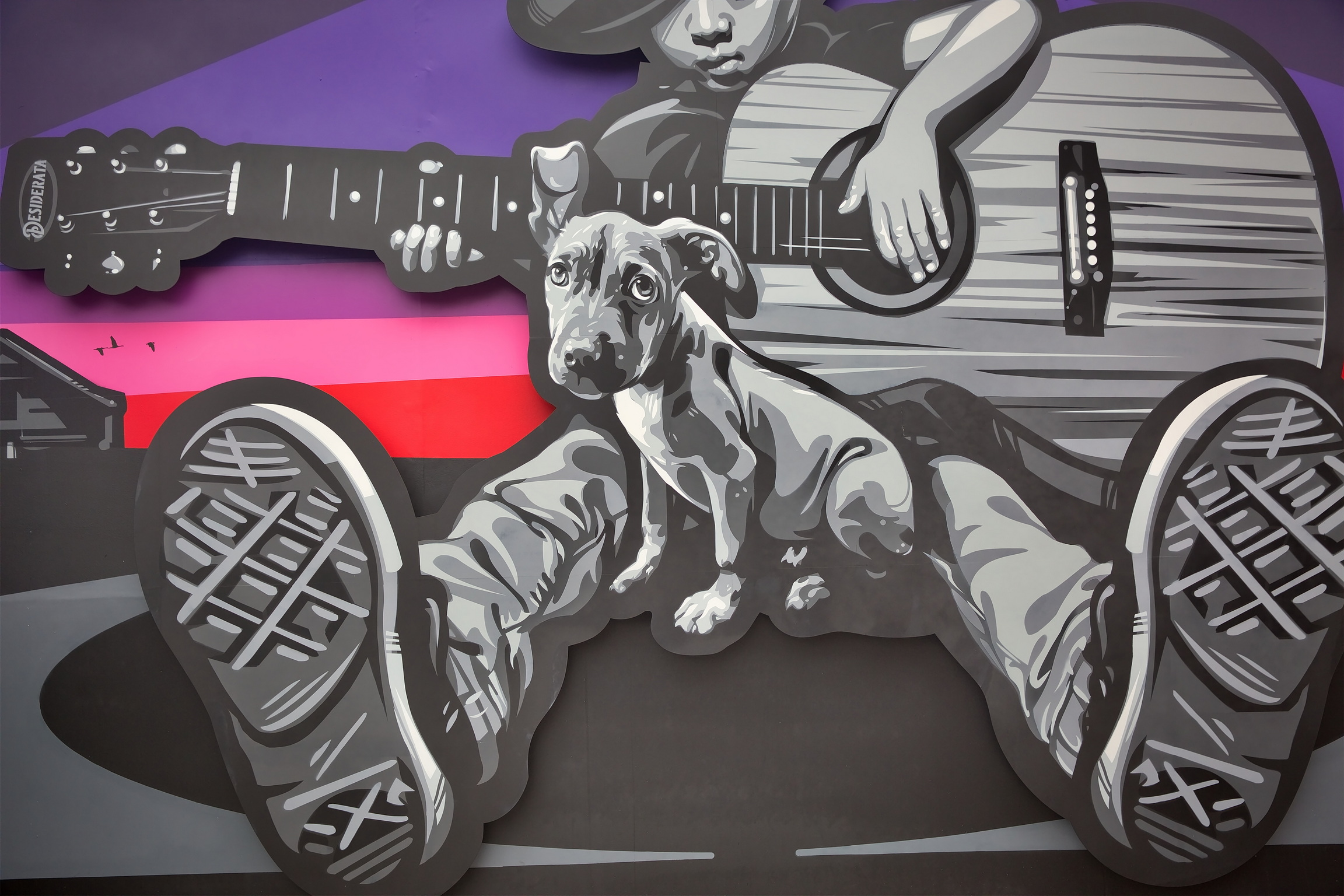
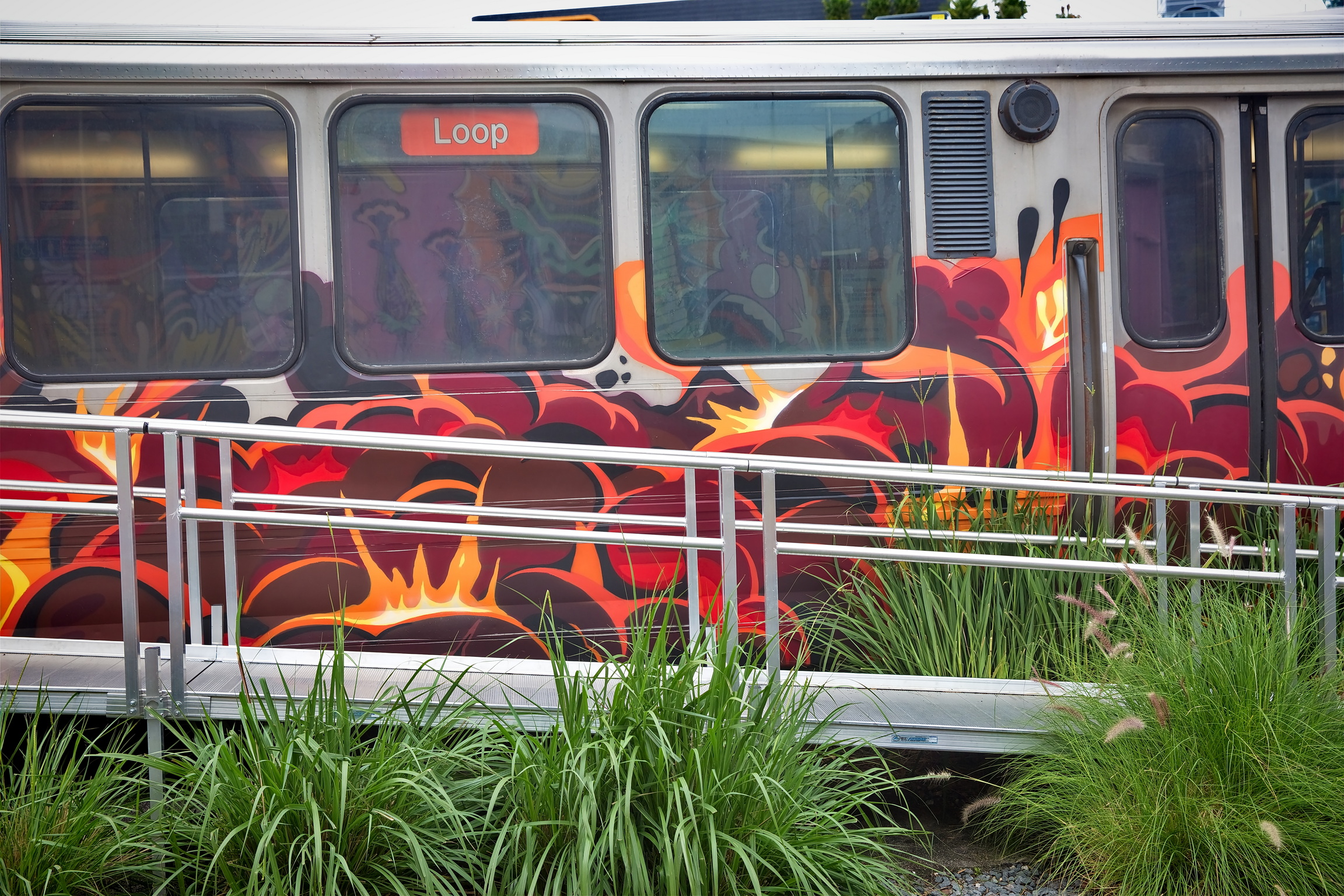
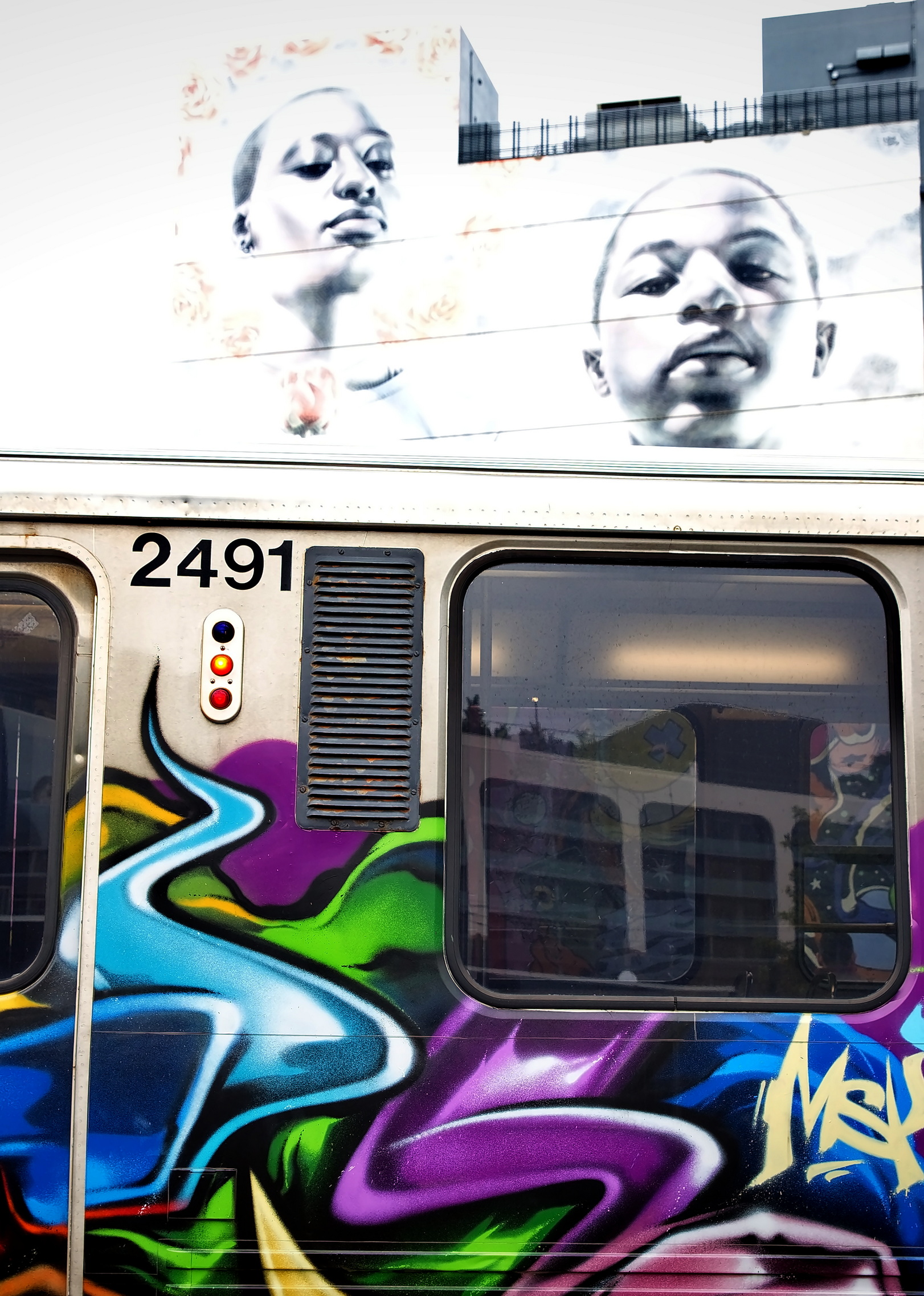
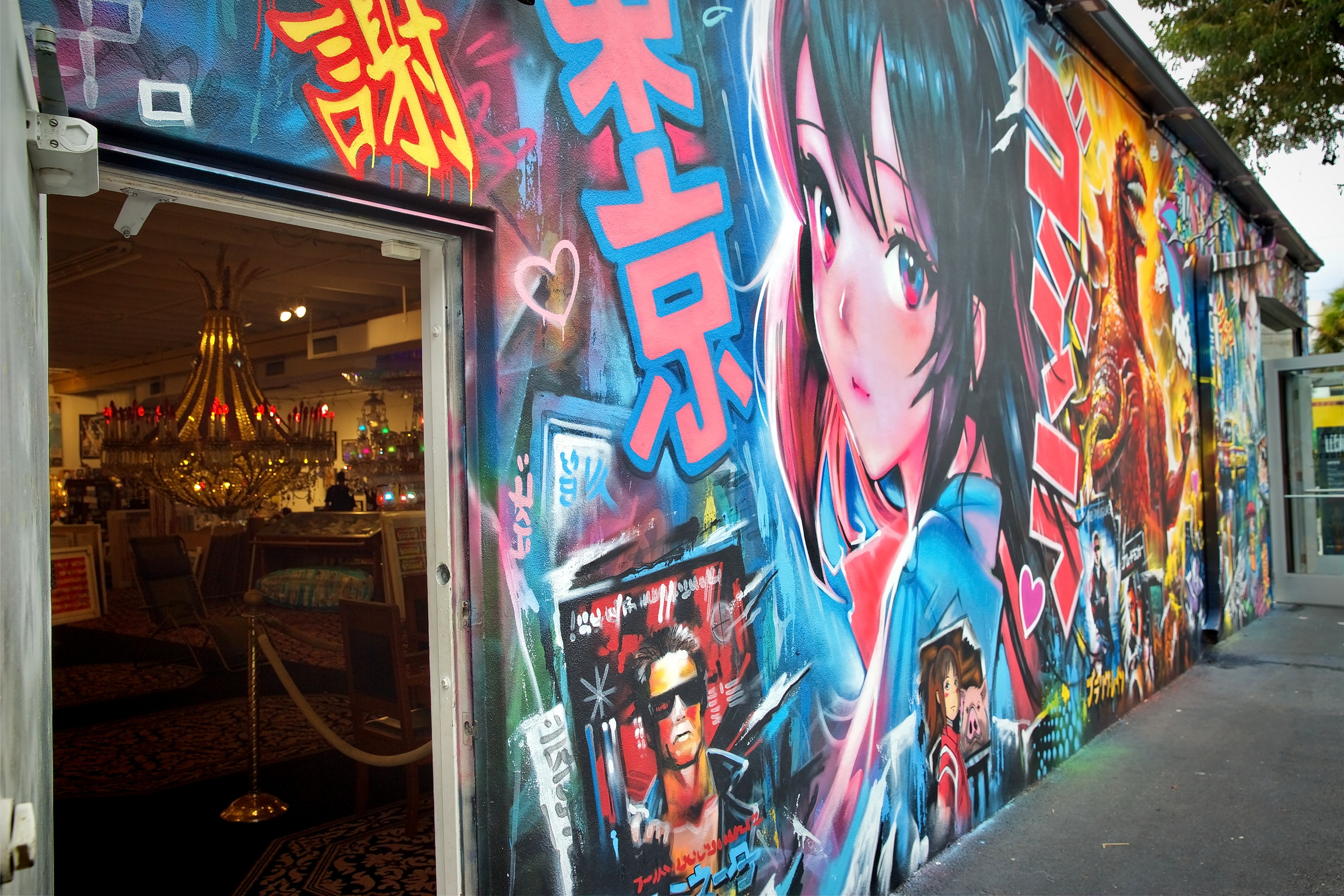

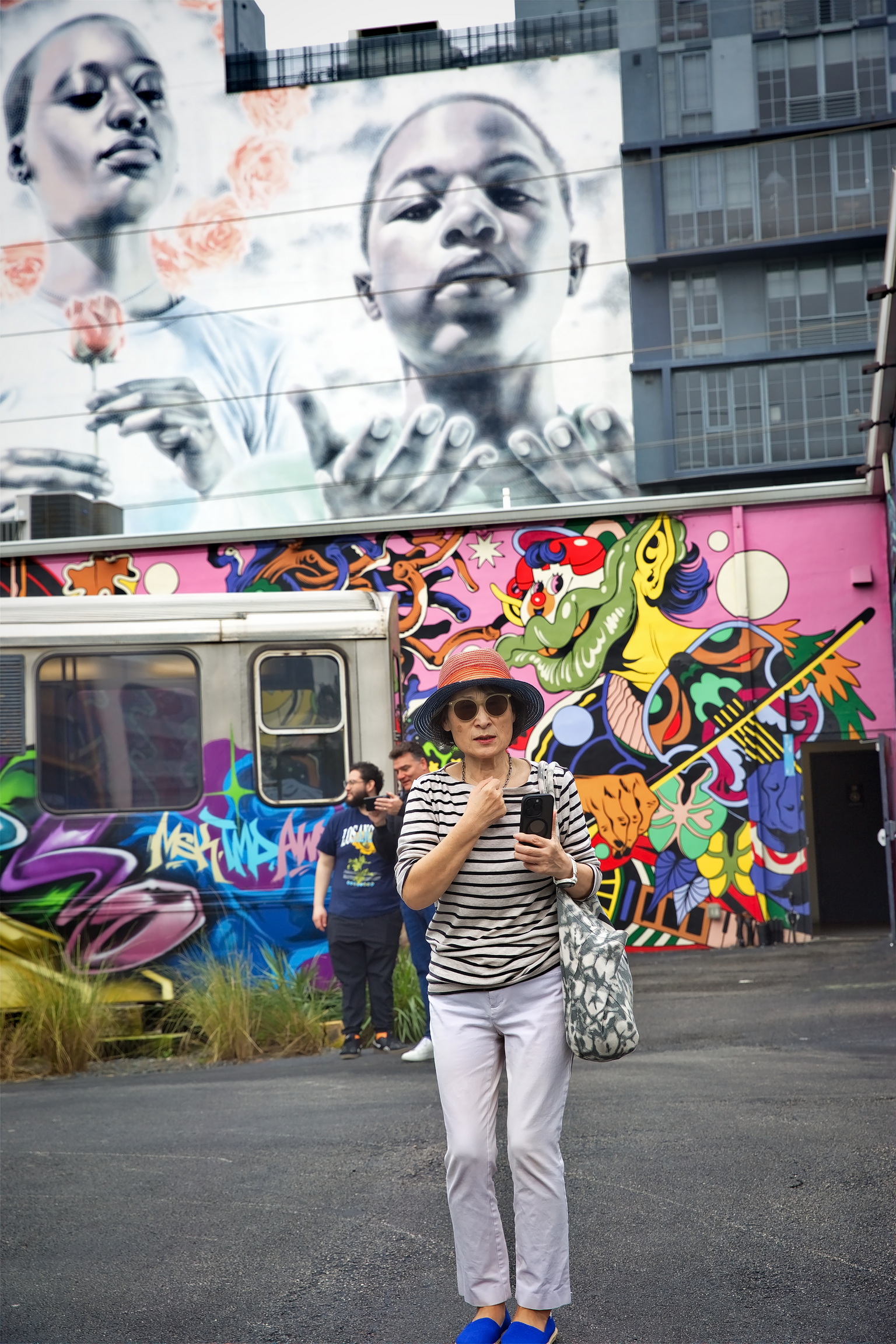
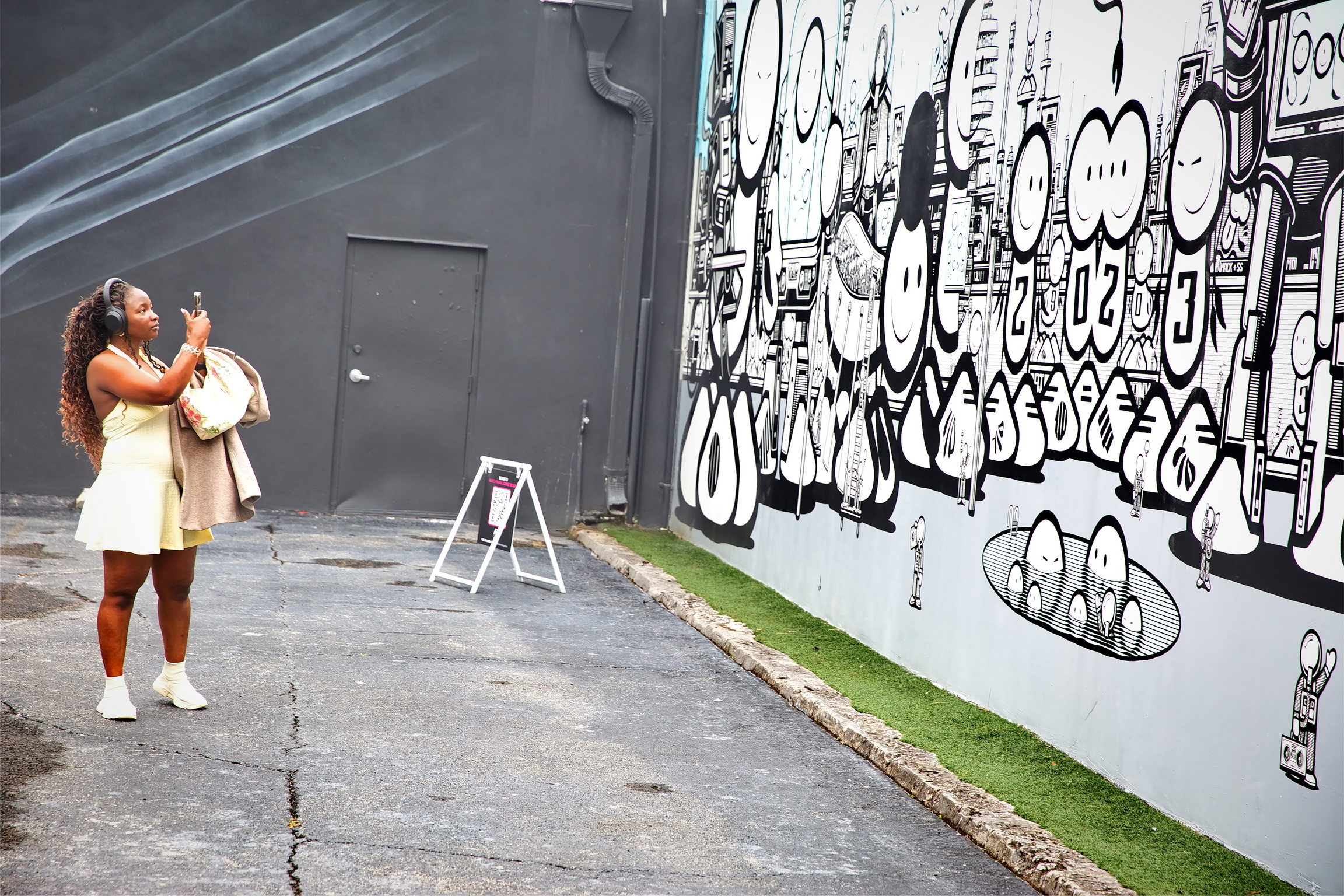




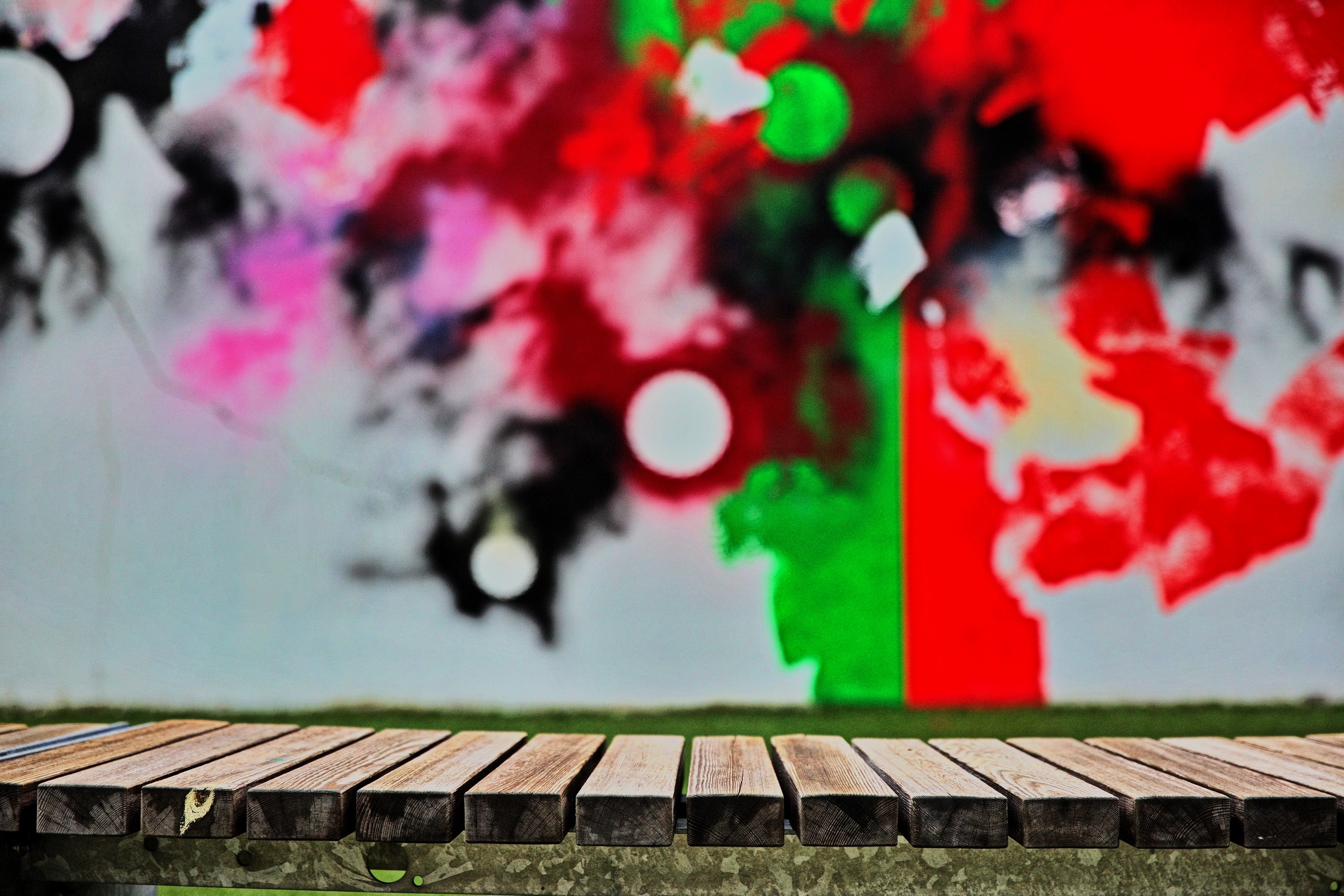
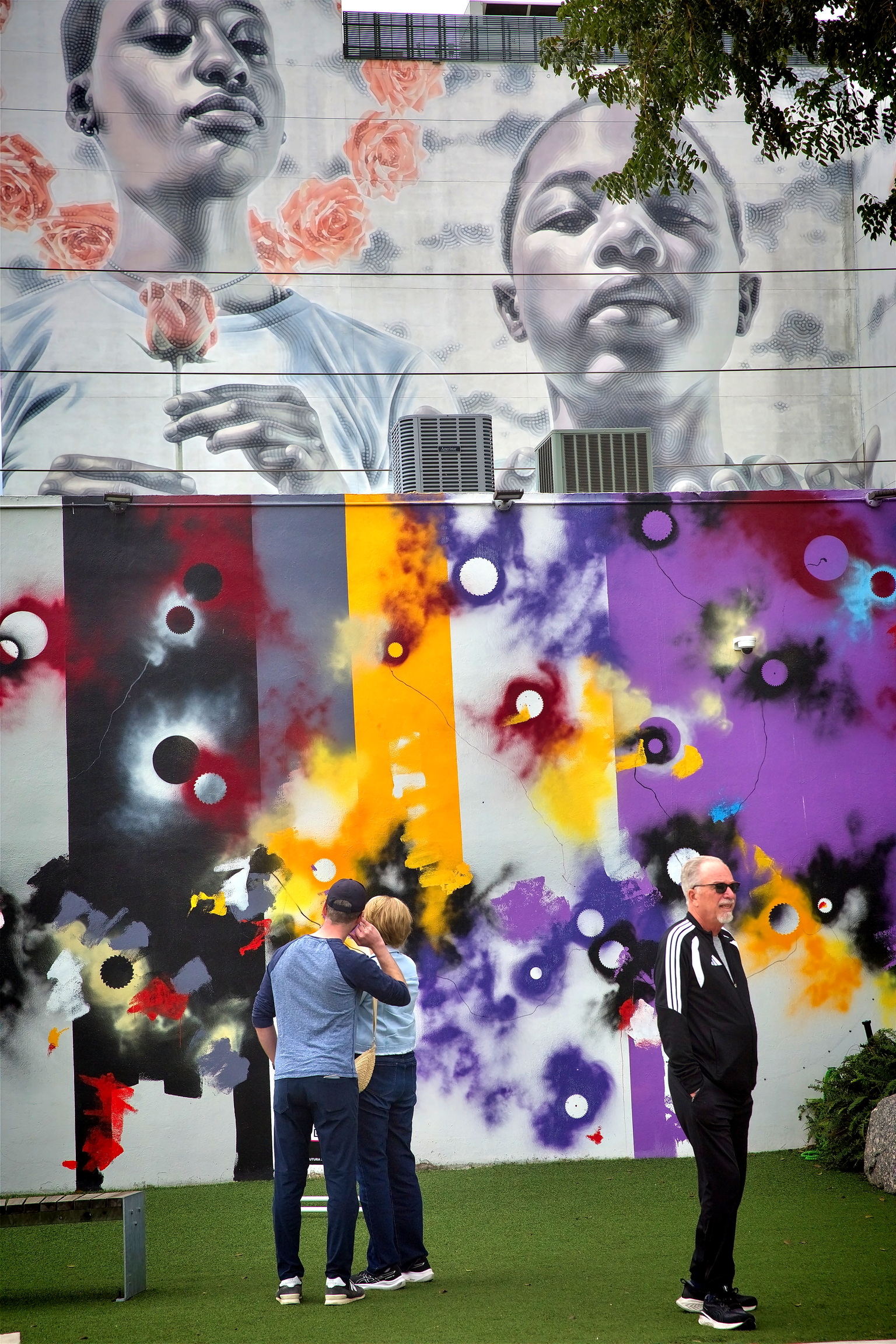
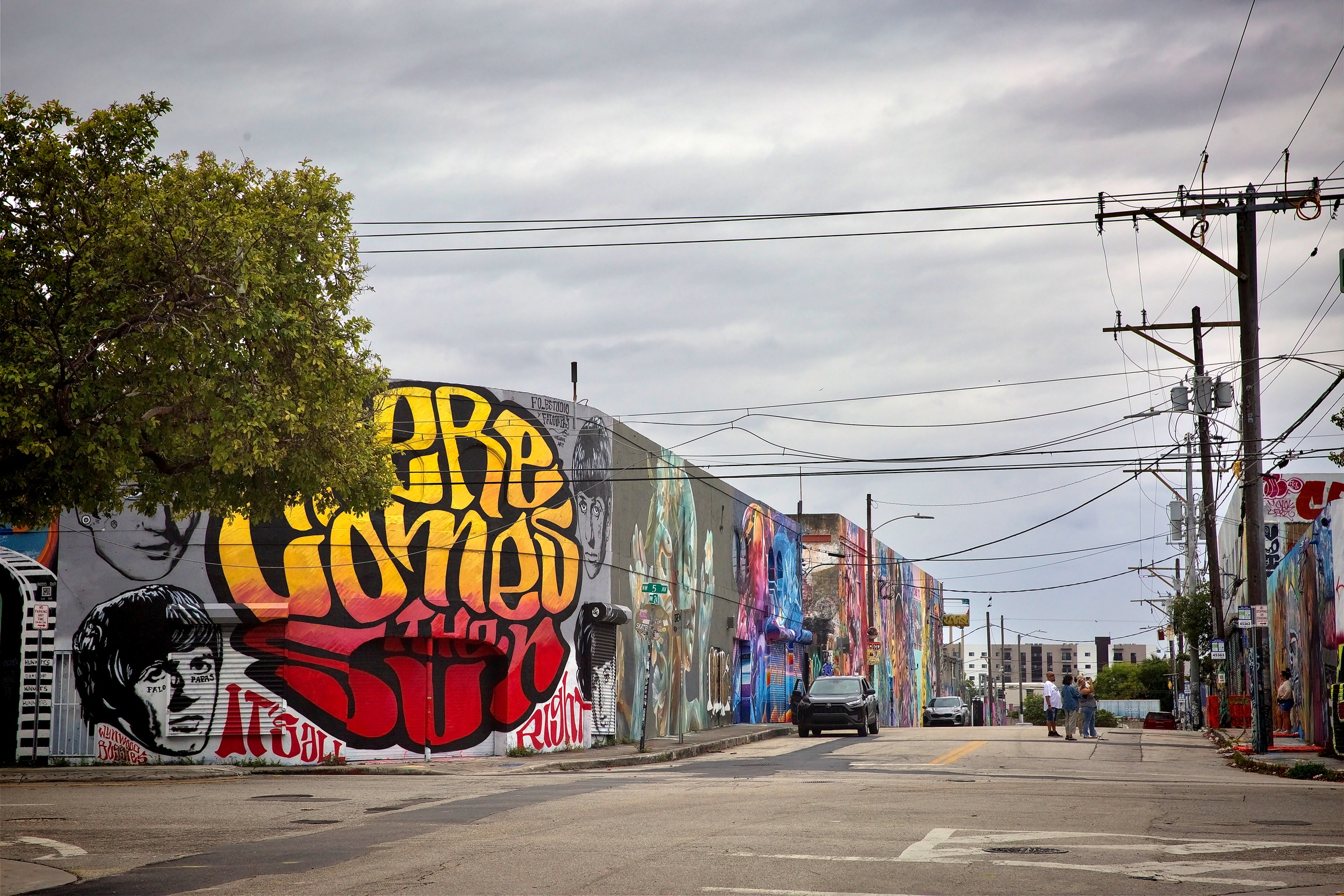
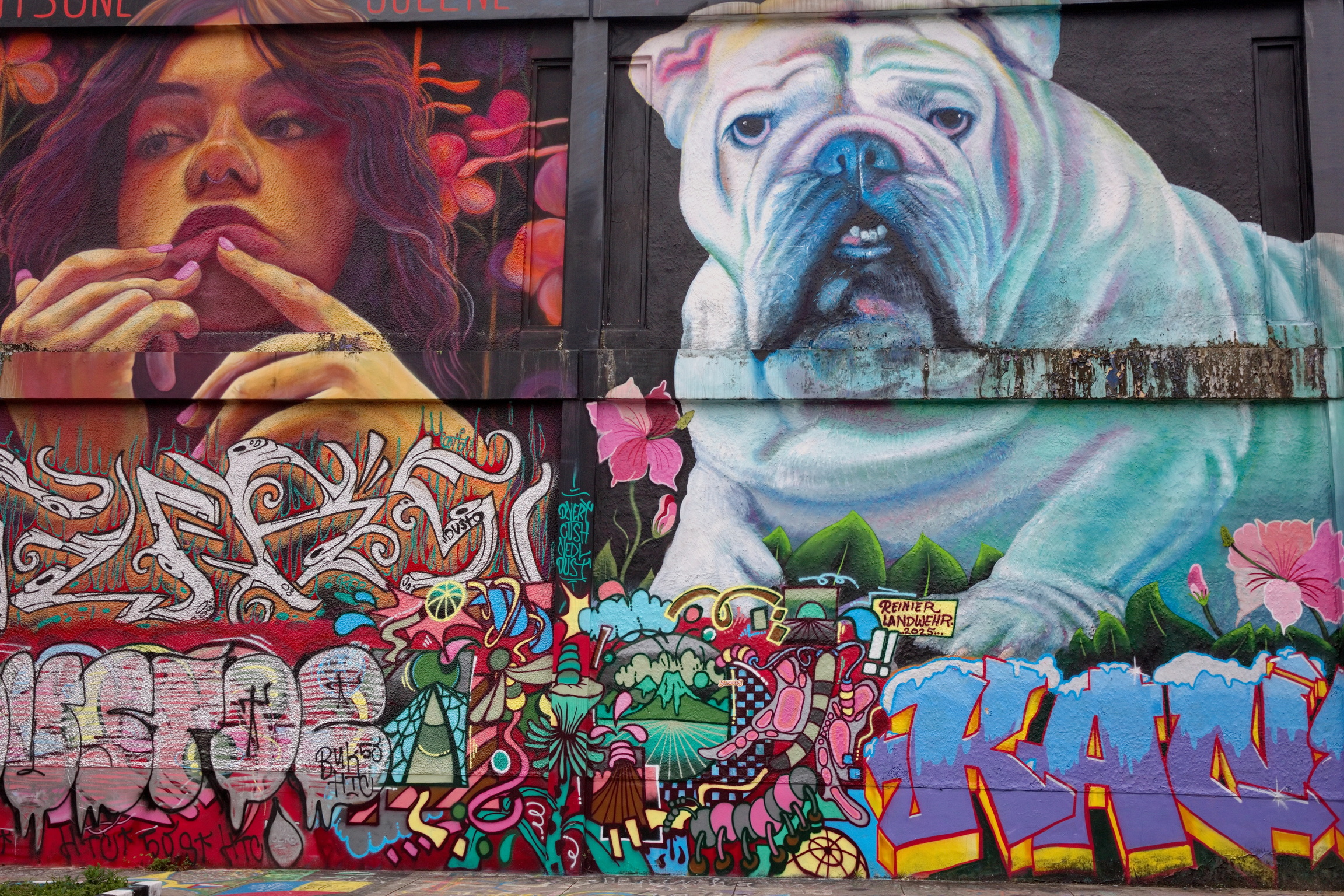
Wynwood Walls in Miami
When I first set foot on New York soil,
what immediately caught my eye—rather unpleasantly—were the murals on the streets.
What could hardly be called paintings, more like scribbles,
had chaotically taken over shop shutters, building walls,
and even places difficult for human hands to reach.
Even subway cars were completely covered in graffiti,
leaving my eyes and mind overwhelmed.
But at some point, those building walls began to transform
into images that were genuinely worth looking at.
Walking through East Williamsburg in Brooklyn,
you can feel as though you’ve stepped into an outdoor art exhibition.
Because the images are not permanent but change periodically,
they sometimes draw my heart back to that place.
During this trip to Florida, I visited Key West
and stopped by Miami on the way up to Orlando.
With limited time before my flight, I looked for somewhere I could briefly explore,
and what caught my attention was a place called Wynwood Walls.
When I first encountered street murals—graffiti—
what I saw in them was a spirit of rebellion.
After all, drawing on buildings or public facilities
seemed like a way for those without power
to vent their thoughts and emotions toward those who have it.
At that time, of course, this kind of art(?) was illegal.
Street murals did not begin beautifully;
it seems more accurate to say they began as rough, rebellious cries.
Over time, however, building owners began voluntarily offering their empty walls
to be filled with artistic murals,
and works that inspire admiration have steadily increased.
That is why I chose to visit Wynwood Walls in Miami
as an effective way to make use of a short amount of spare time.
Wynwood Walls is a world-famous outdoor street art museum located in Miami, USA.
It was started in 2009 in the Wynwood district of Miami, Florida,
by real estate developer Tony Goldman.
Using the walls of old warehouses as canvases,
renowned graffiti mural artists from around the world began creating works there,
leading to what it is today.
It is considered a representative example of urban regeneration—
reviving a once-desolate industrial area through art.
Because it elevated originally rebellious street art
into an officially recognized and curated exhibition space,
it is often cited as a symbol of the “institutionalization of street art.”
Not only the enclosed area of Wynwood Walls itself,
but most of the surrounding streets are also filled with murals.
If time allows, one can stroll around the neighborhood as a form of light exercise,
but since we had just a little over an hour,
we had no choice but to focus only on the works inside the walls.
One particularly impressive piece was a massive palm tree painted
on the wall of a nearby high-rise building.
There is an opening like a window in the upper section of the mural,
and inside the building an actual palm tree is growing.
The real tree and the painted image blend together in exquisite harmony.
I consider works with ideas like this to be truly excellent.
Inside the exhibition space, smaller framed works are displayed,
and there I experienced a quiet but meaningful emotional response—
one that even changed my own perception.
I had assumed that graffiti artists must be driven
by an underlying sense of rebellion,
but after seeing these works, I could not help but reconsider.
They had transformed Graffiti, meaning street murals,
into Gratitude, a word expressing thankfulness,
and painted from that perspective.
The origins of graffiti are often rooted in unrecognized existences
and identities pushed to the margins of society.
Early artists left their names (tags) and traces on walls
as a way of asserting their existence and expressing resistance.
At that stage, anger, rebellion, and deprivation must have been dominant.
But over time, as graffiti gained public attention,
began to have positive effects on local communities,
and artists were invited into official projects such as Wynwood Walls,
their attitudes likely began to change as well.
Some street artists now seem to view walls
not as objects of confrontation, but as gifts.
Perhaps that is why their works began to contain
hope, solidarity, gratitude, and respect for the community.
That may be why they chose to express Graffiti as Gratitude.
Here, I saw hope—
the hope that street scribbles could be refined and transformed into art.
My only regret was that, due to time constraints,
I could not explore the true street art that exists outside the walls of Wynwood Walls.
In the murals left behind on shuttered shops and crumbling building remains,
there may still linger the original essence of graffiti.
With that lingering sense of regret, I said goodbye to Miami.
'여행 이야기 > 미국 여기저기' 카테고리의 다른 글
| Florida의 Key West - Sloppy Joe's (1) | 2026.02.05 |
|---|---|
| Florida의 Key West - Hemingway 집과 고양이 (3) | 2026.02.04 |
| Florida의 Key West - 거리, 그리고 닭 (0) | 2026.02.03 |
| Florida의 Key West-미국의 최남단 (1) | 2026.02.02 |
| Everglades National Park의 Sharks Valley (0) | 2026.01.30 |


