Florida의 Key West - 거리, 그리고 닭
Key West는 미국 플로리다 주의 남쪽 끝, 플로리다 Keys 열도의 마지막에 있는 섬이다.
겨울에도 따뜻해서 많은 관광객들이 몰리는 곳이다.
특별히 나의 경우, 솔직하게 이야기하자면, 다른 어떤 이유보다도
미국의 남쪽 끝에 가 보았다는 허영기를 채우기 위해 이곳을 찾았다.
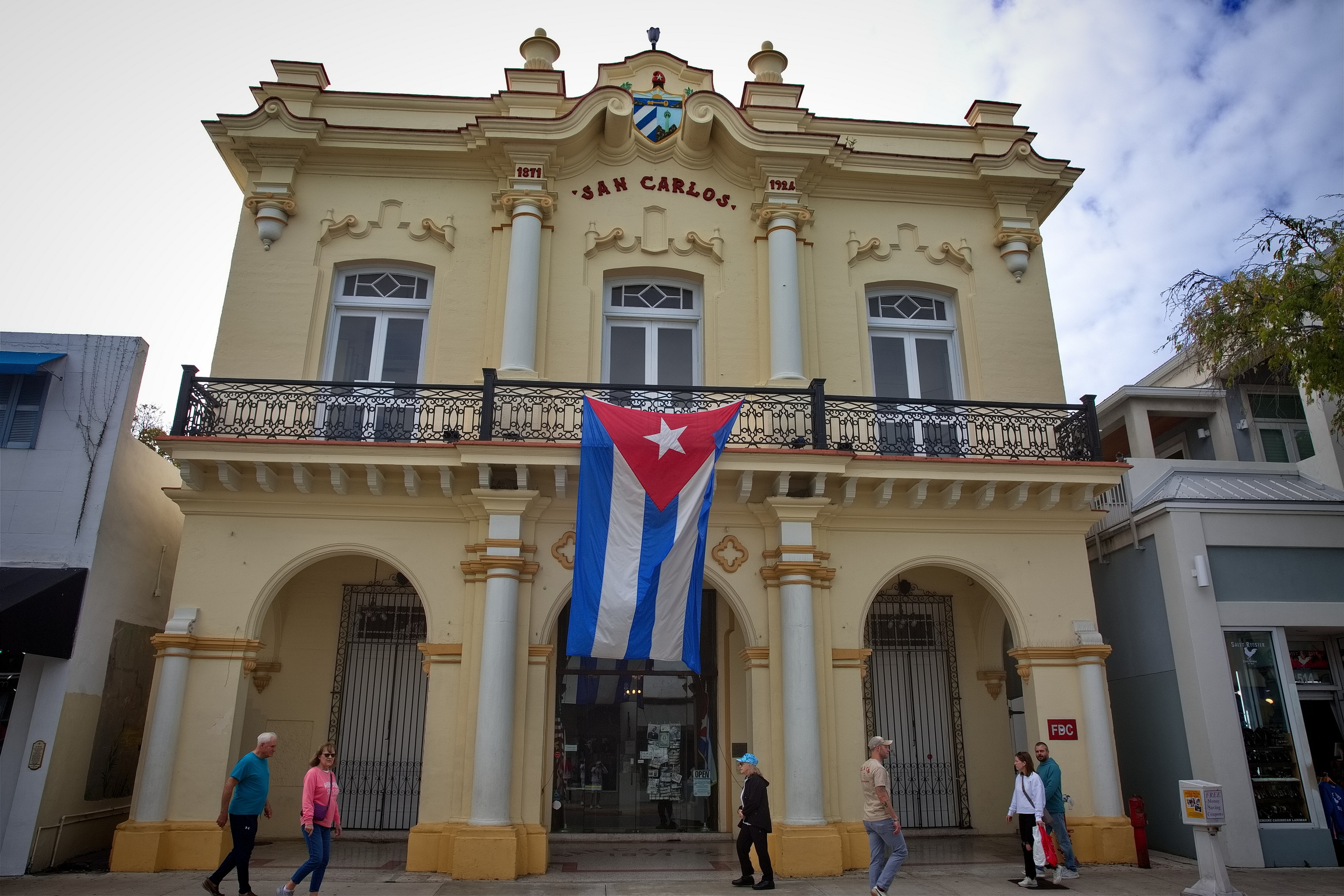
쿠바까지의 직선거리가 약 90 마일이어서 쿠바 사람들과 그들의 문화도 묻어 있는 곳이라는 인상을 받을 수 있다.
아름다운 바다의 물빛과 석양으로도 유명하다.
당일치기 여행이어서 석양은 보지 못하고 서둘러 발길을 돌려야 했다.
이 섬을 스페인 탐험가들은 'Cayo Hueso('뼈의 섬)' 라고 불렀다고 하는데
섬 주변에서 발견된 원주민의 유골 째문에 그런 이름이 생겨났다는 것이 일반적인 견해이다.
영어로 바뀌는 과정에서 스페인어 Cayo(섬)가 Key가 되었고, Hueso(뼈)는 West가 된 것이다.
두 단어 모두 스페인어와 비슷한 영어 단어를 빌어 이 지역을 표기했다.
그러니 이 섬의 모양이 '서쪽에 있는 열쇠 형상의 섬'이라고 섣불리 짐작해서는 안 될 것이다.
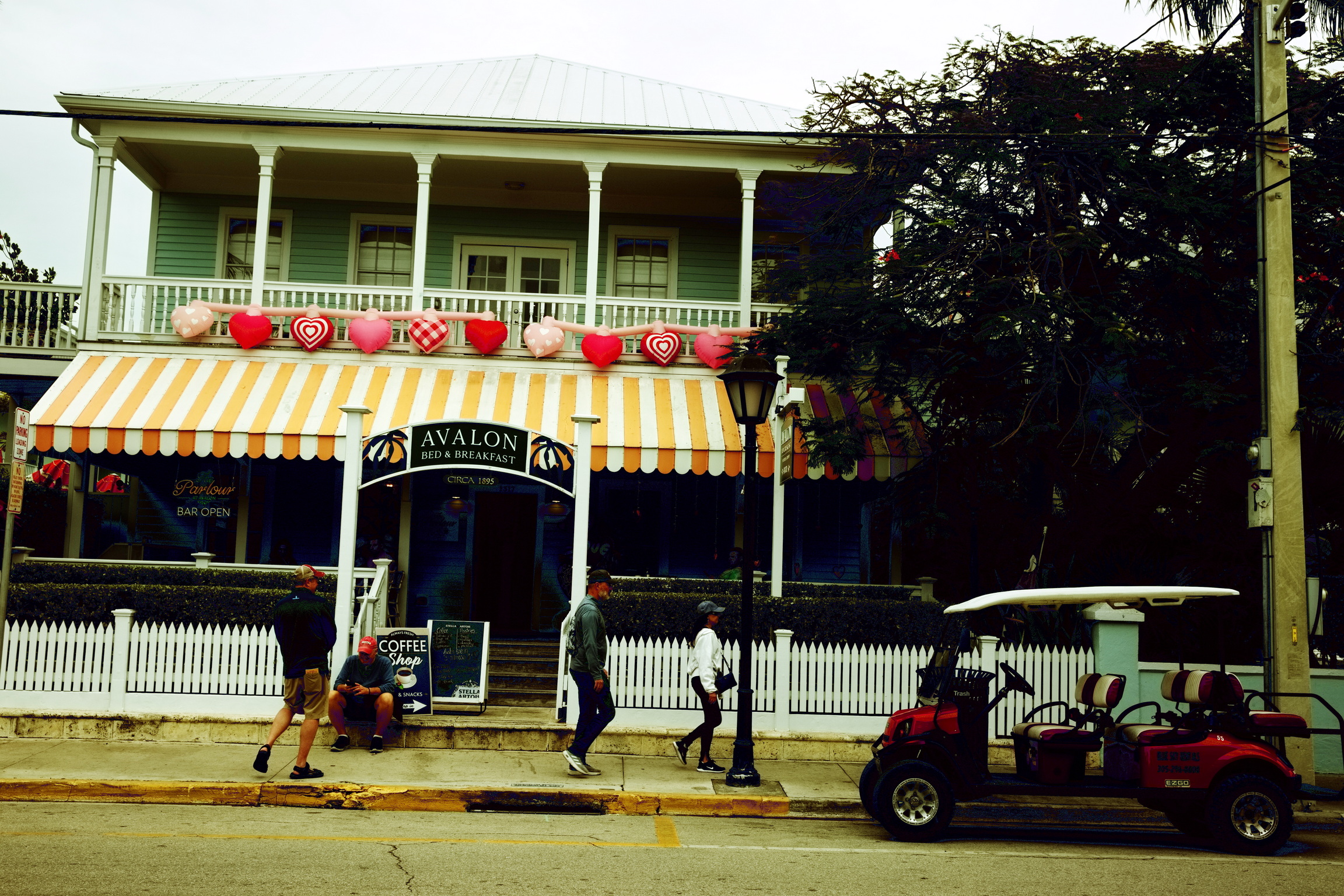
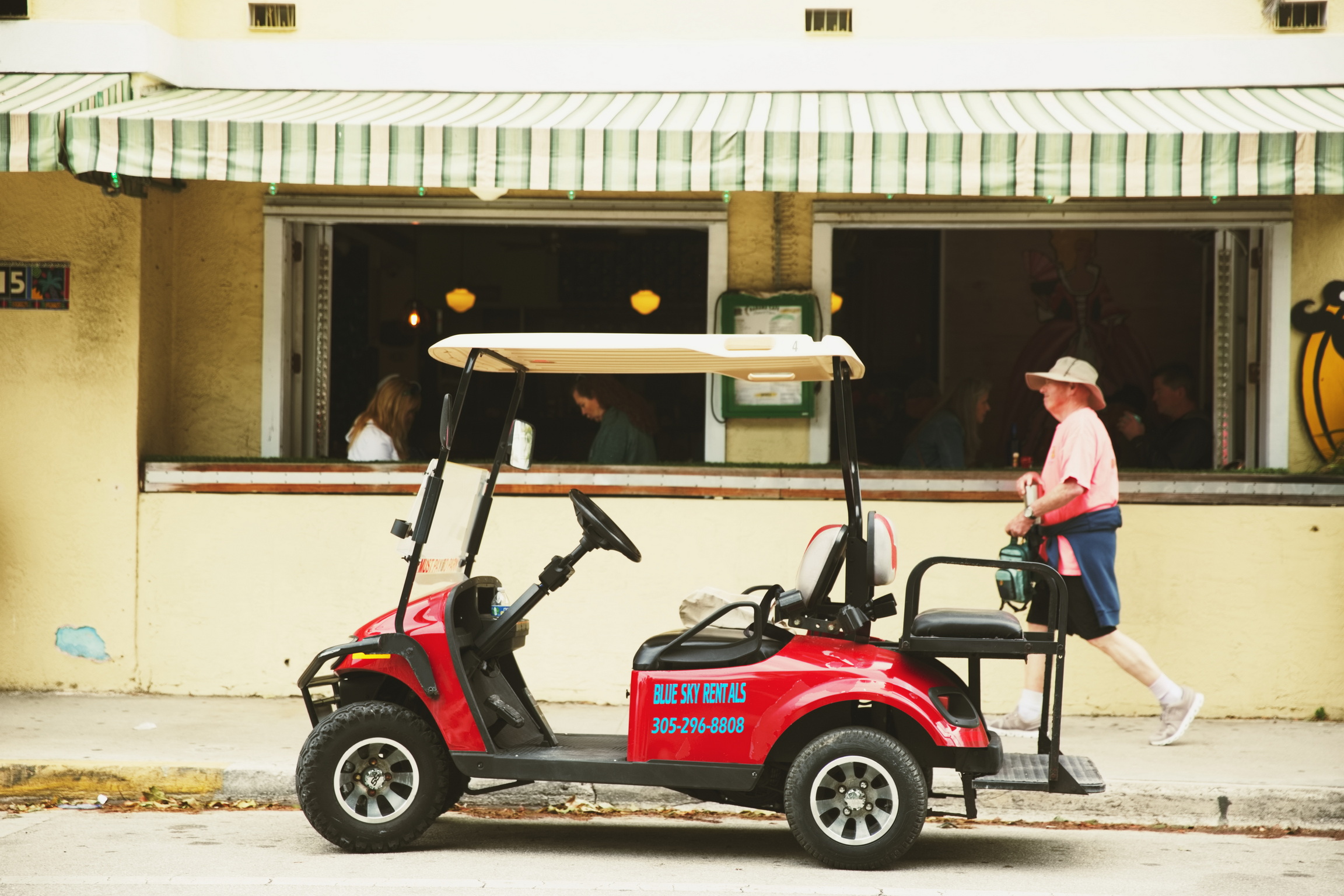
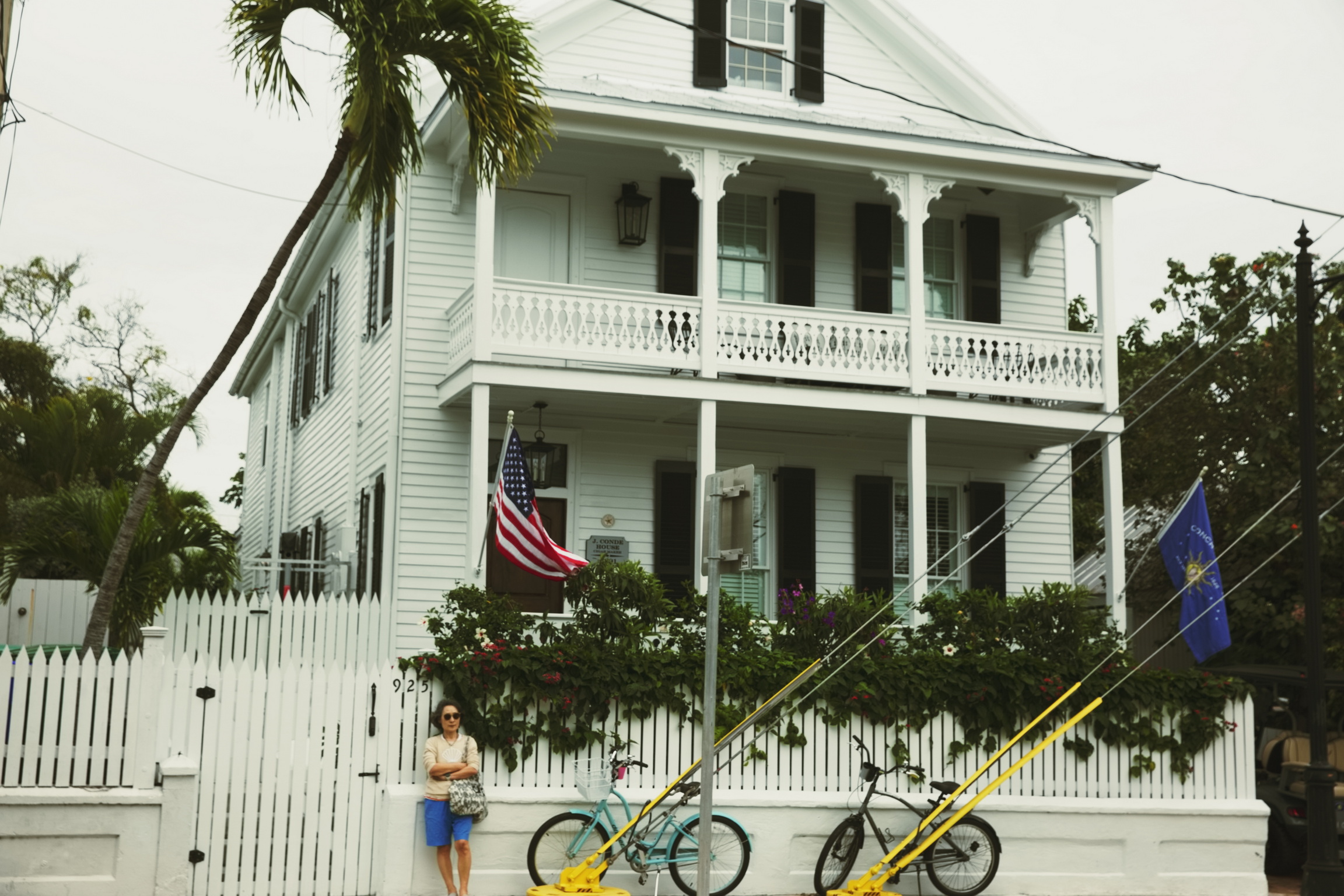
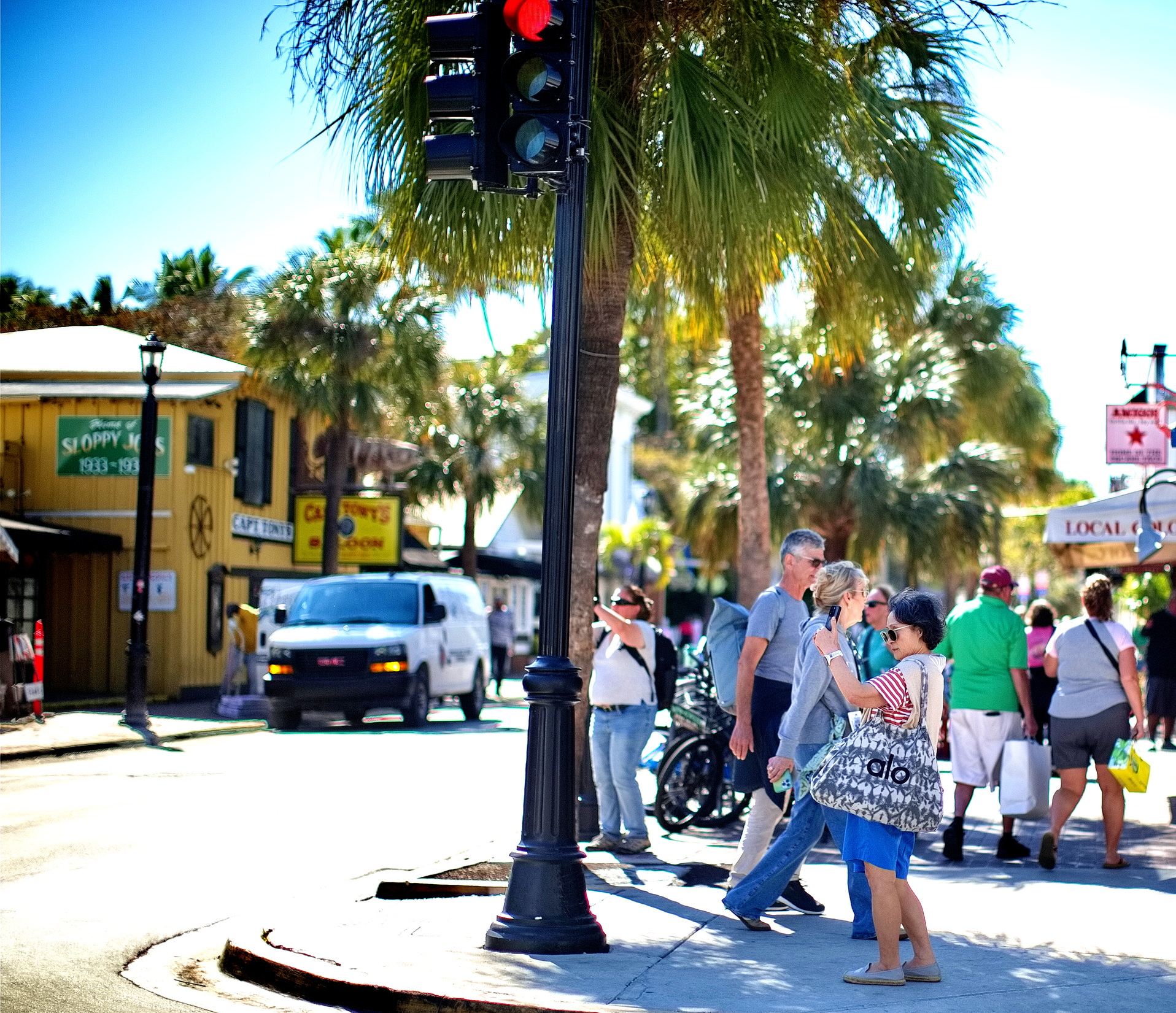
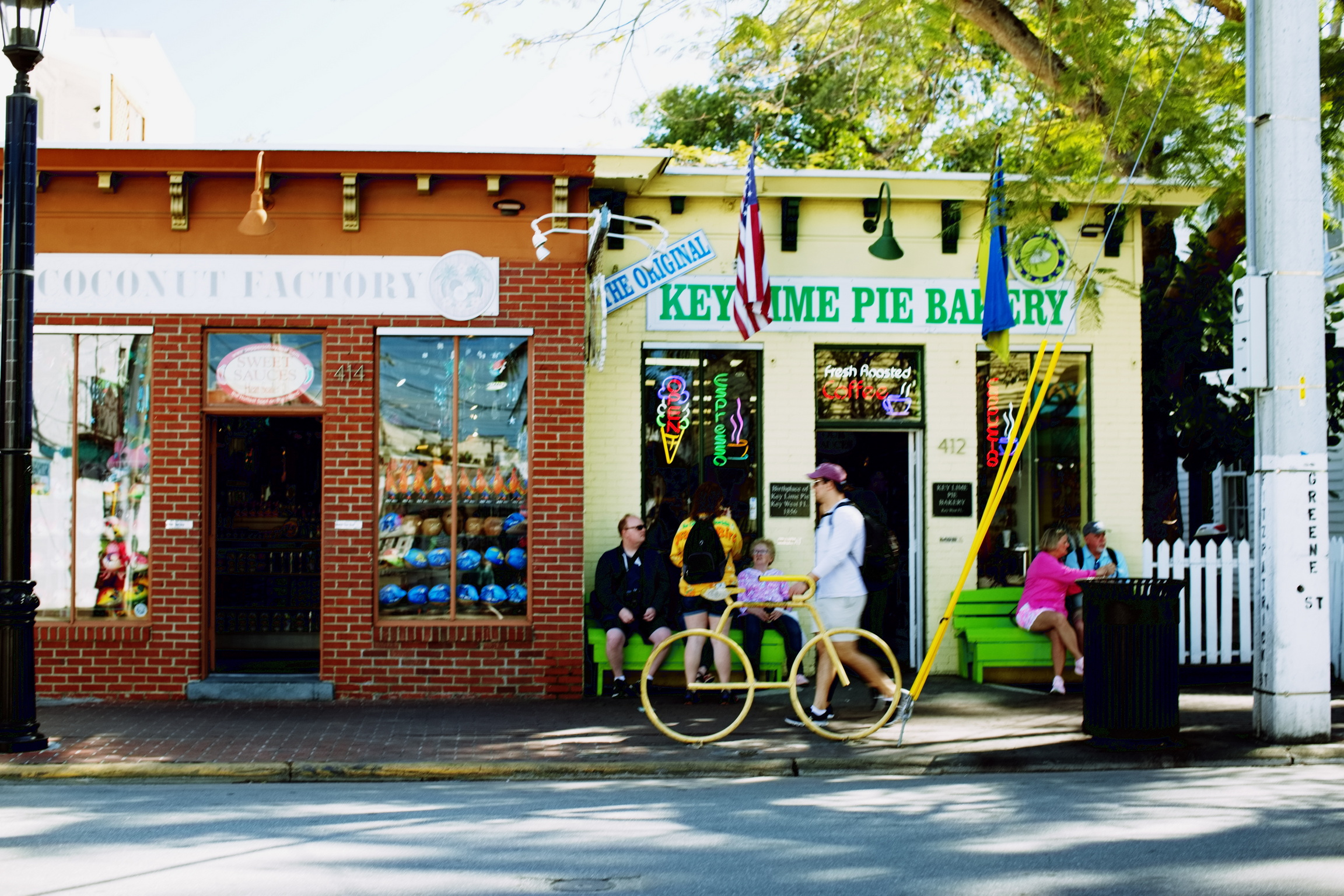
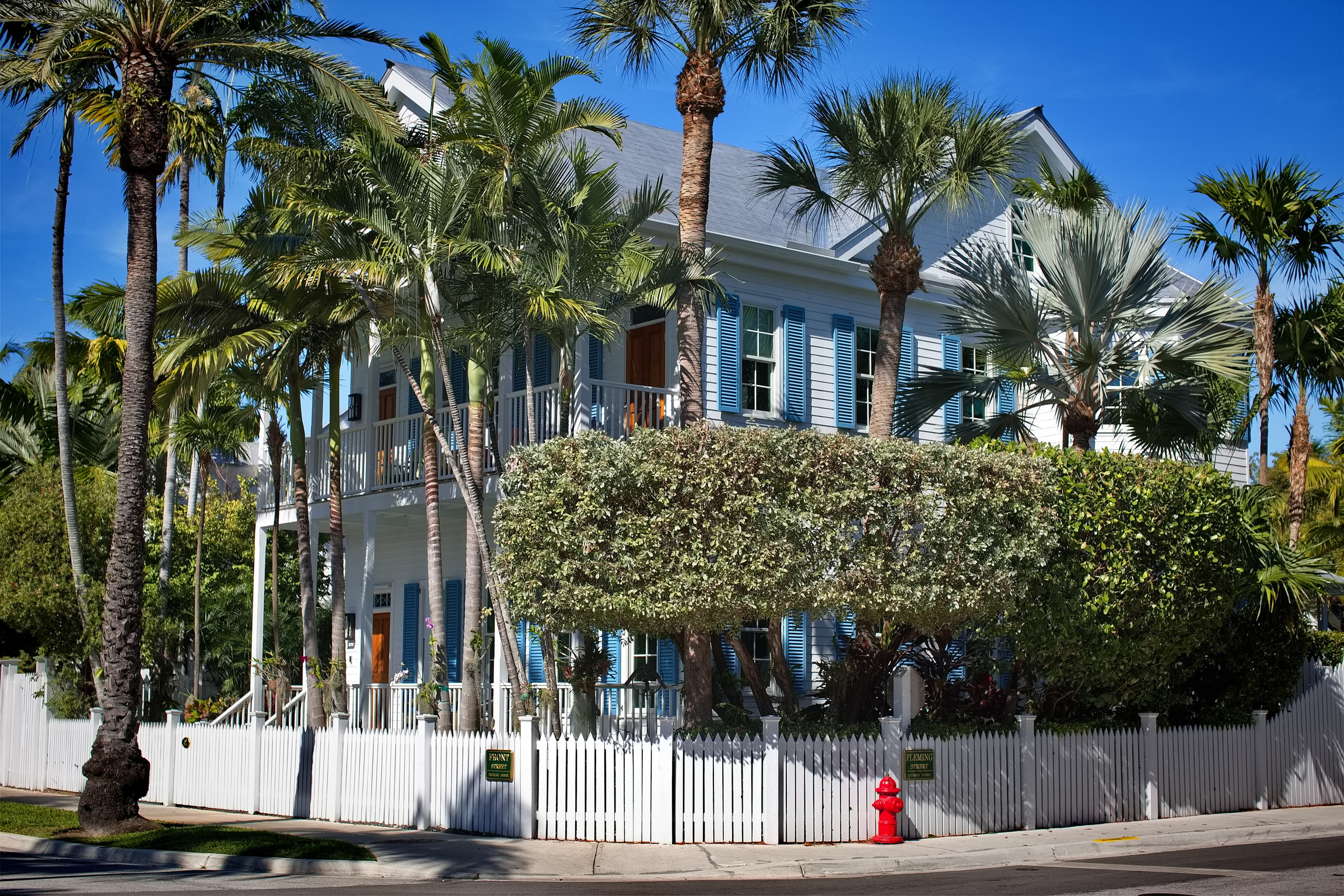
대충 거리를 훑어보니 Key West의 도심을 둘러보기 위해서는
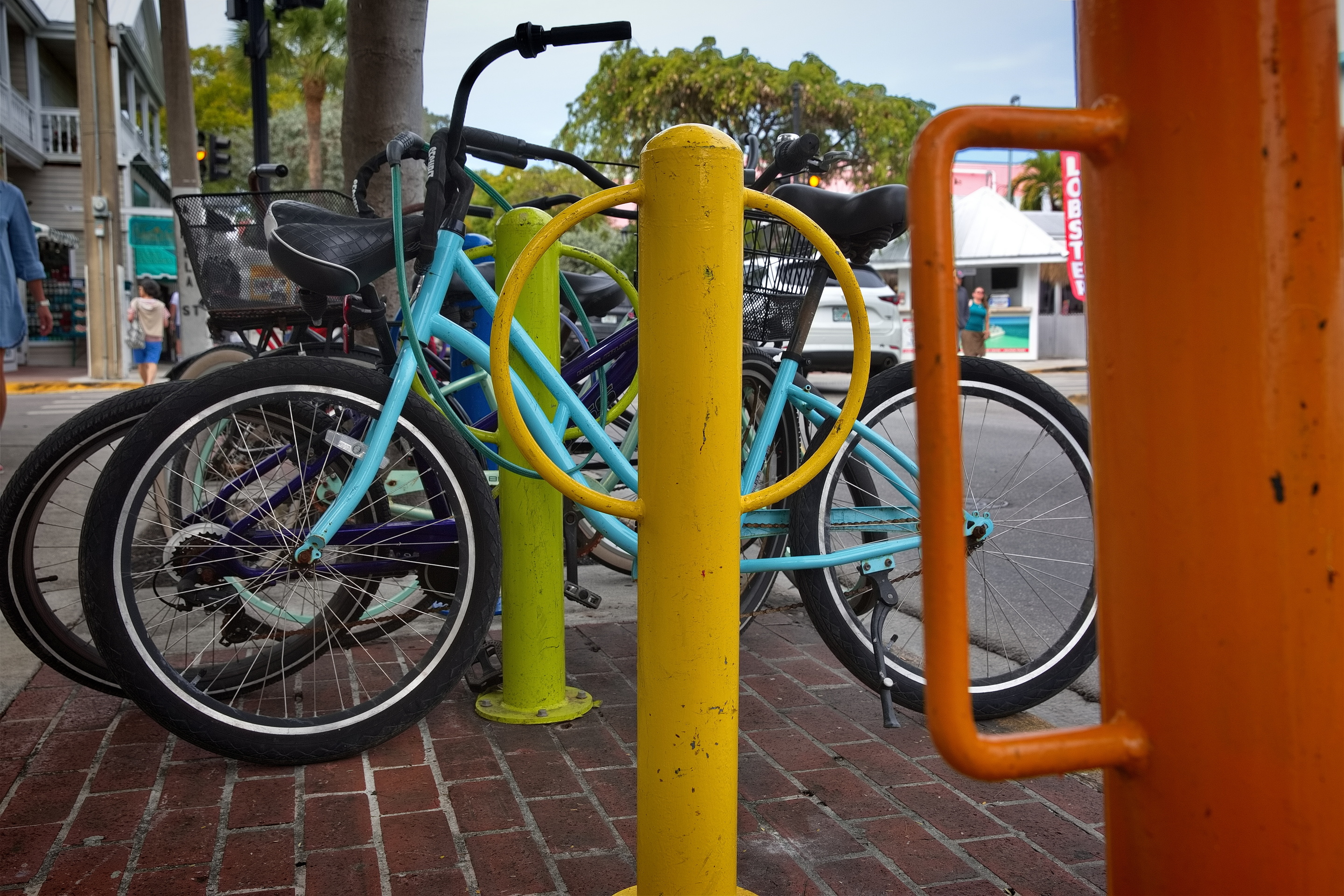
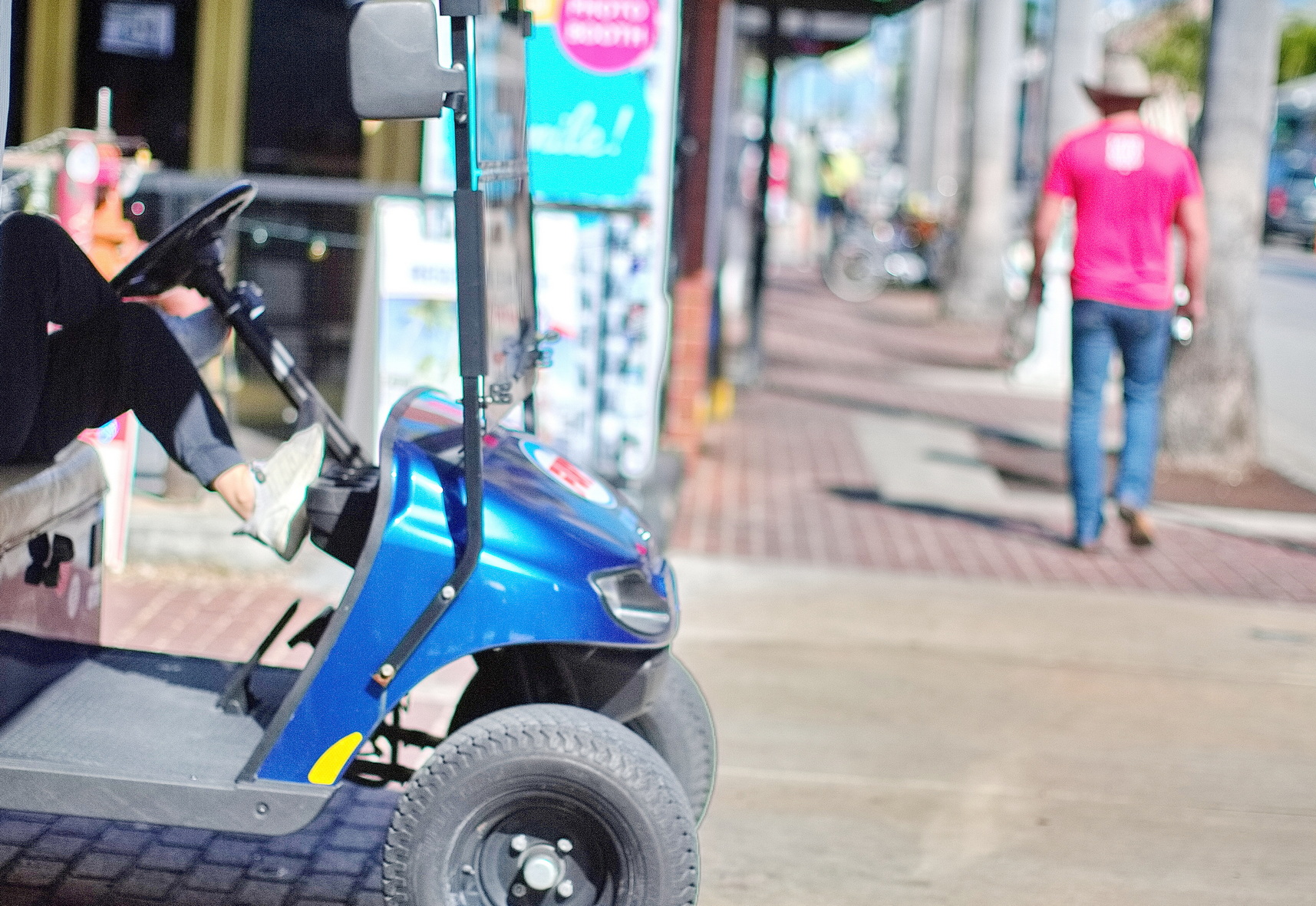
투어 버스나, 트롤리 카, 골프 카트 비슷한 차량, 자전거 같은 탈 것을 이용하면 될 것 같았다.
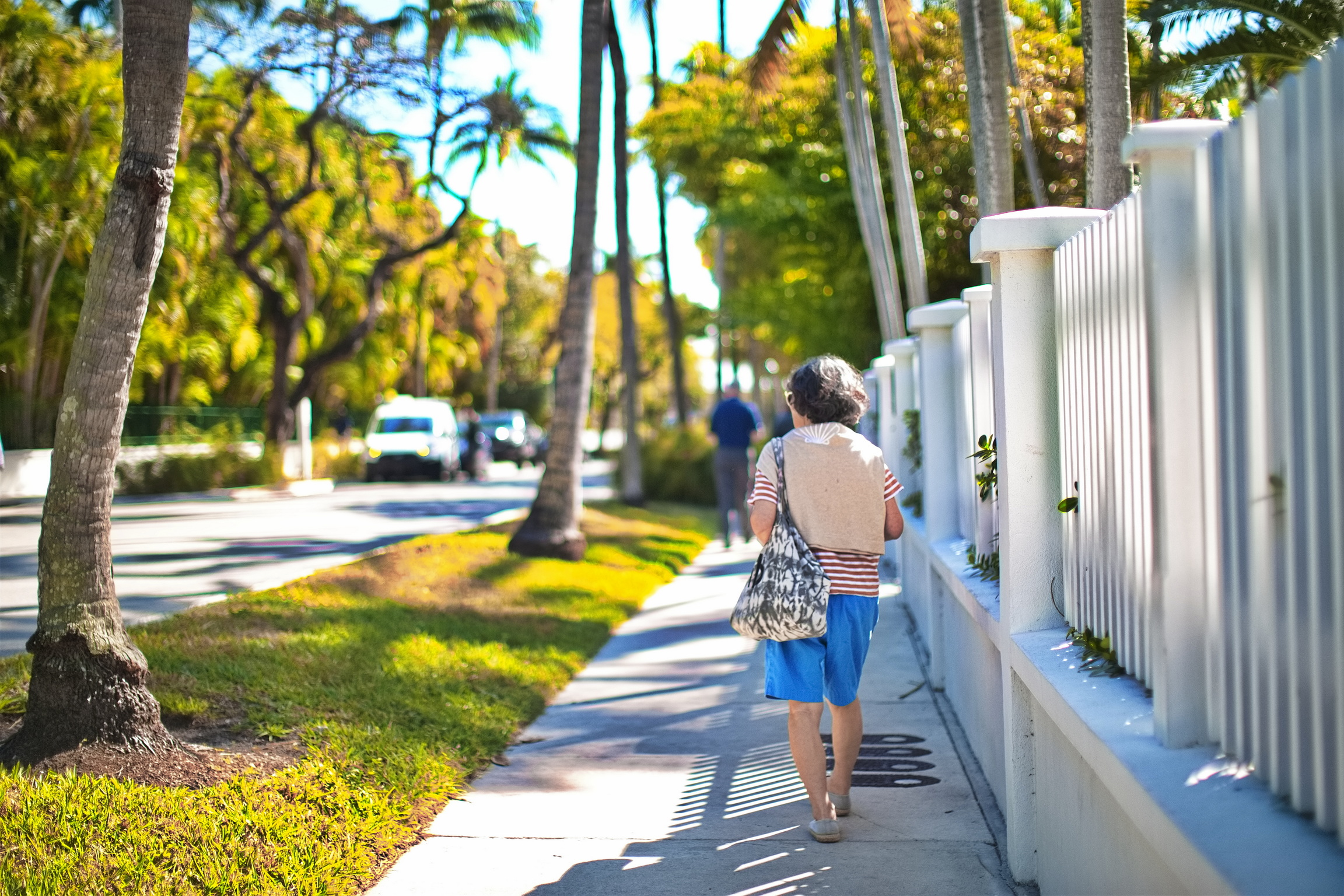
그러나 우리는 튼튼한 두 다리를 이용하기로 했다.
쿠바에서 90 마일 떨어졌다는 바닷가에 들렸던 우리는 Key West의 거리를 걷기 시작했다.
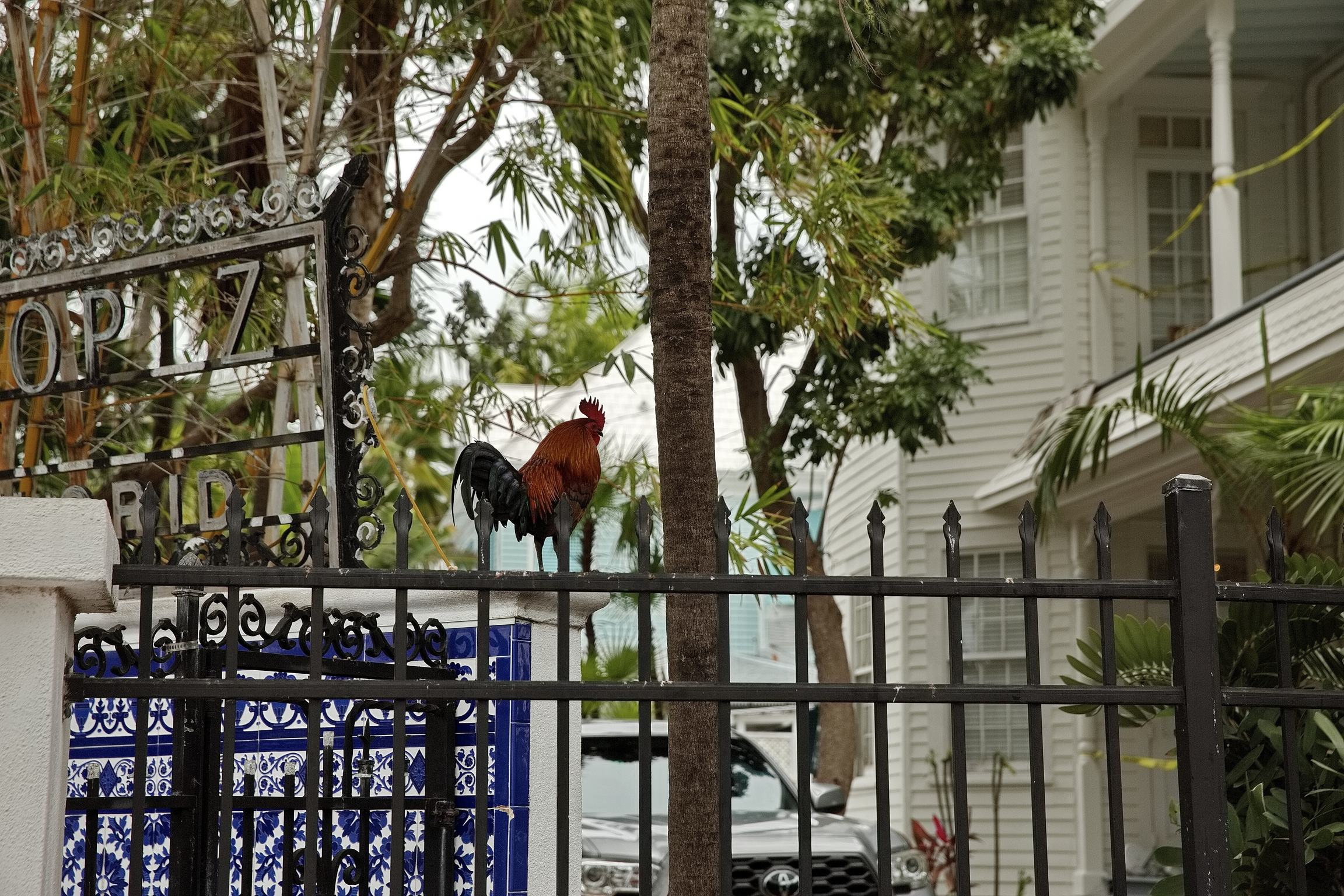
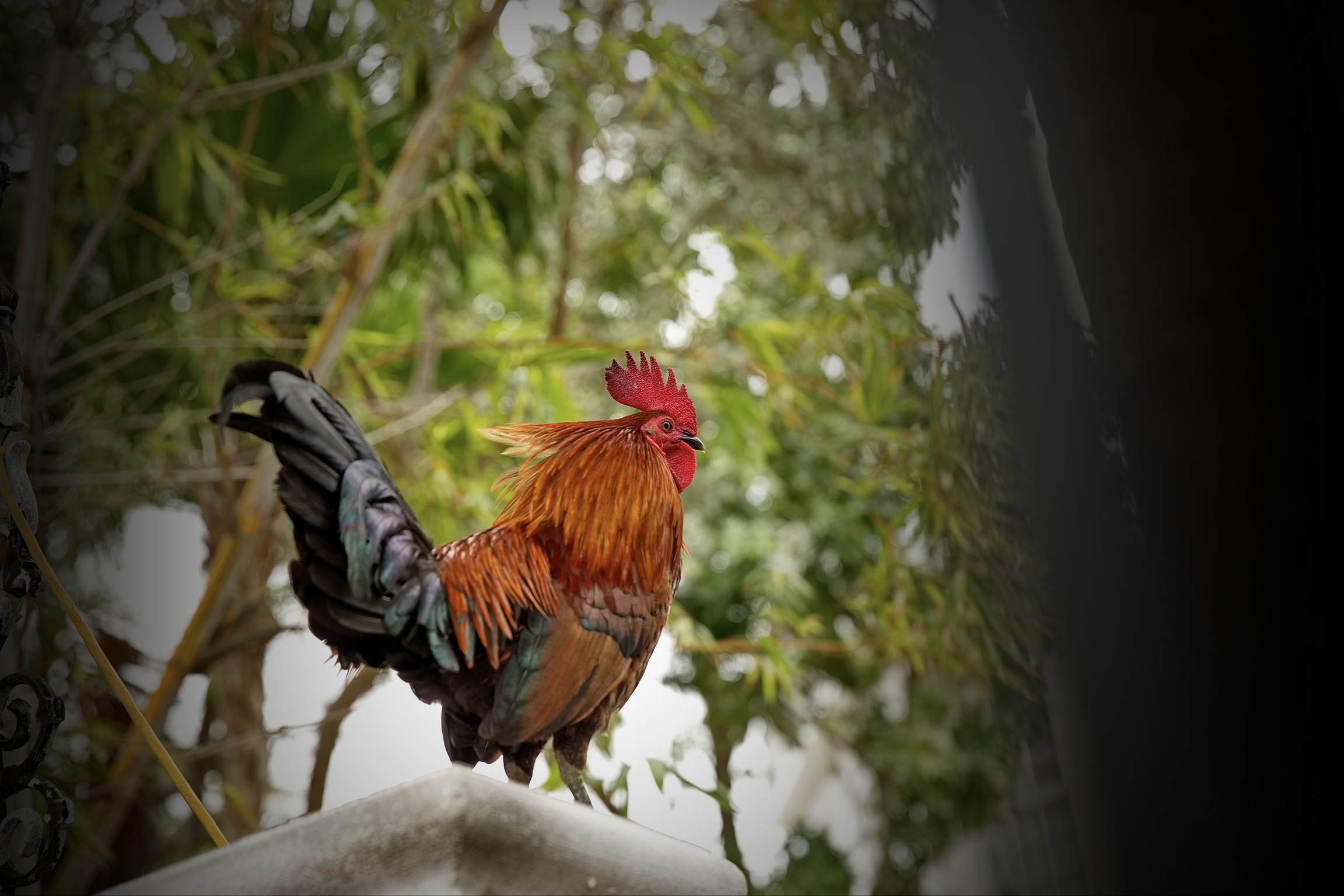
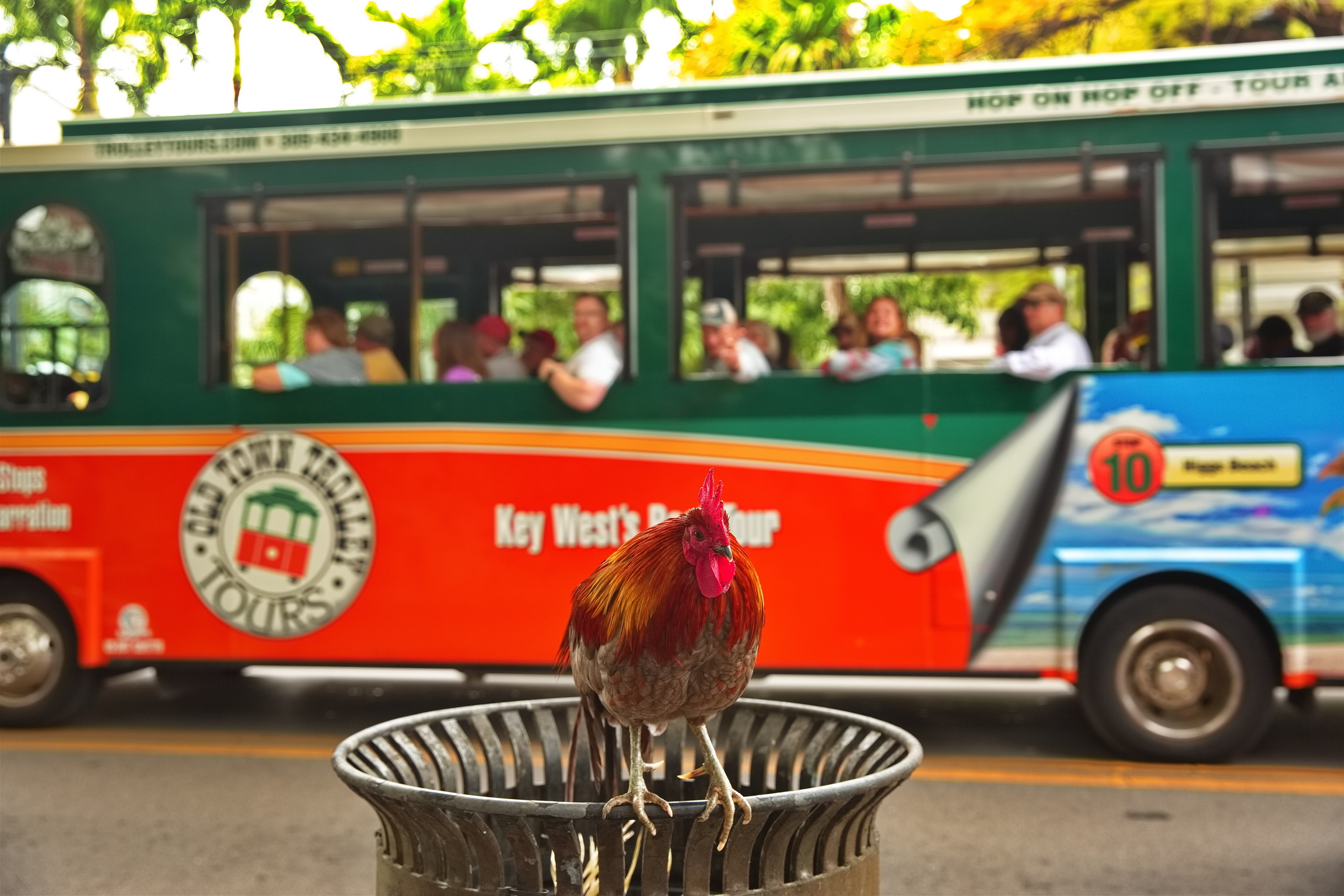
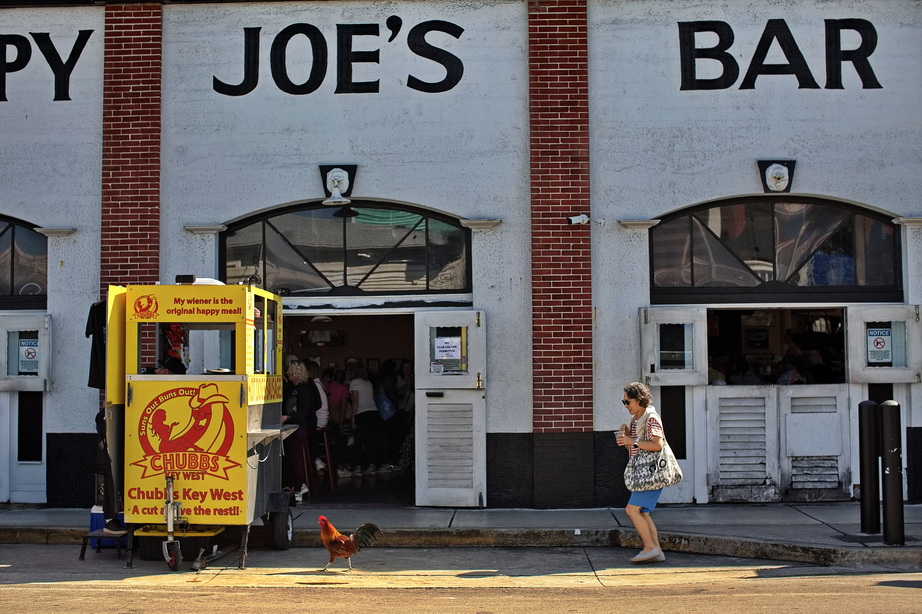
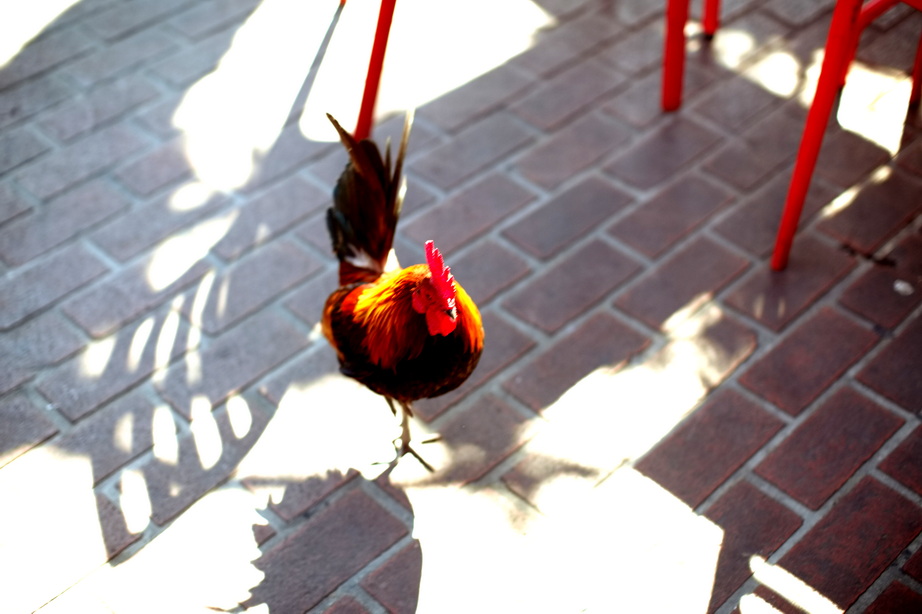
그런데 바닷가에서부터 발길을 따라 계속해서 닭울음소리가 들렸다.
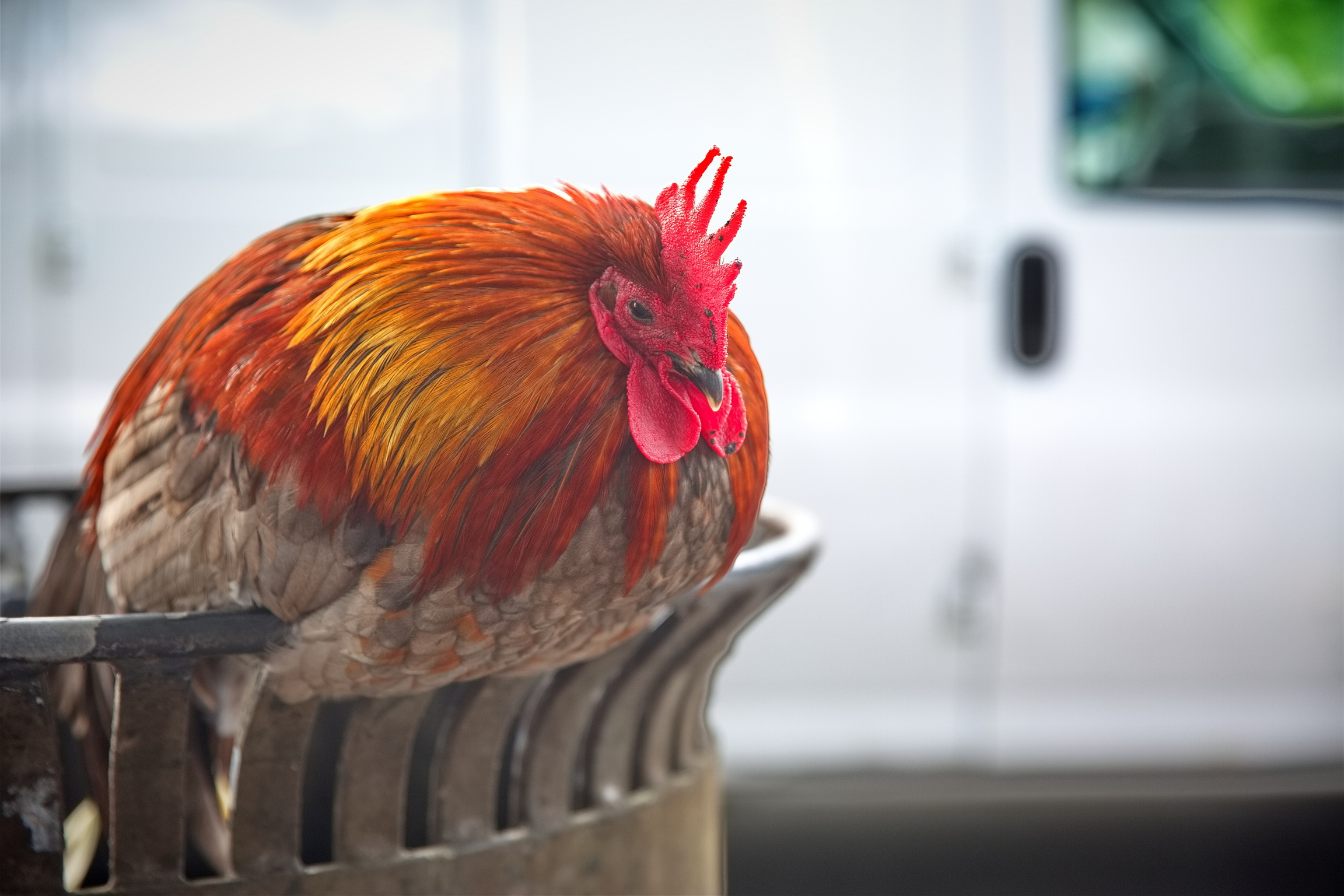
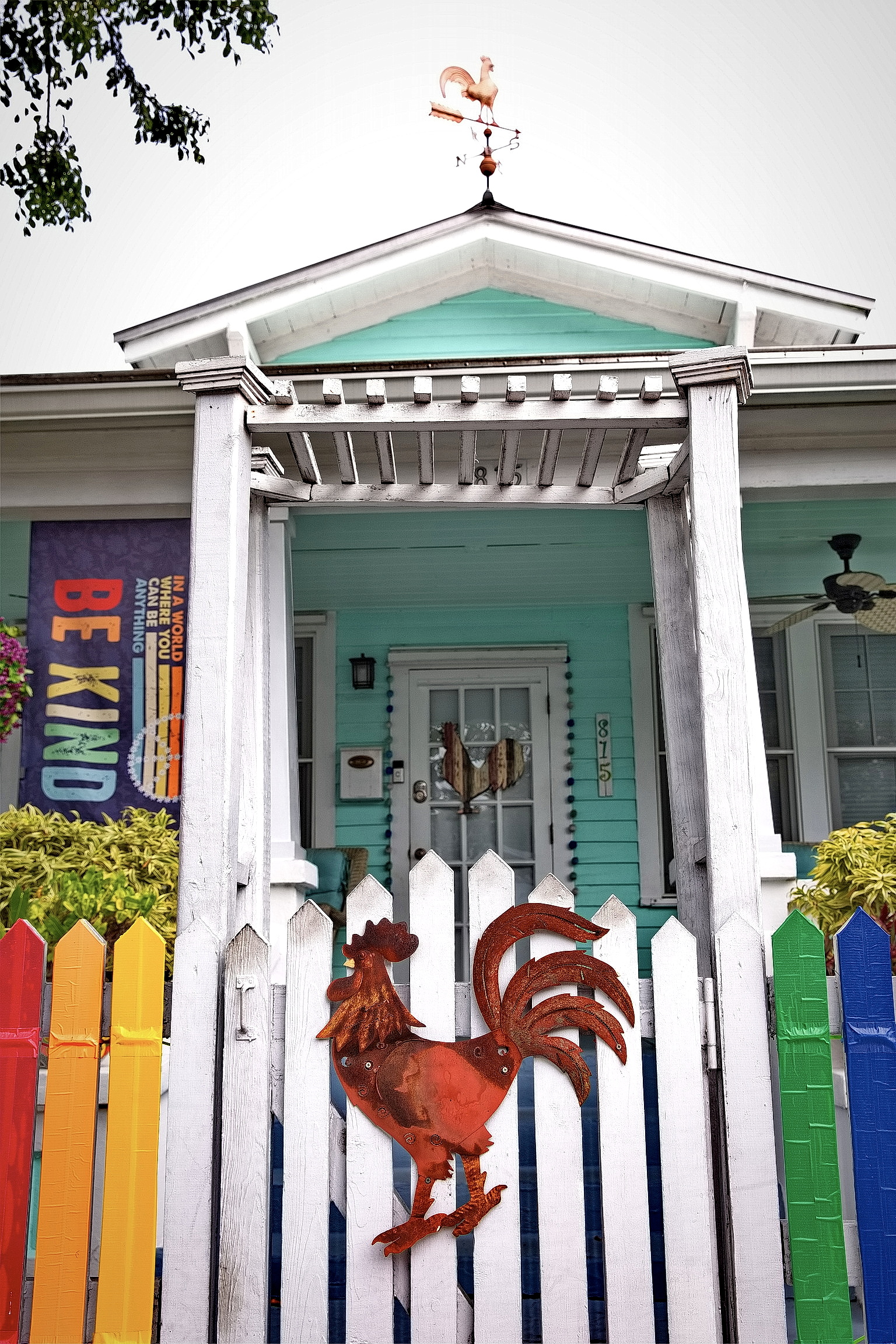
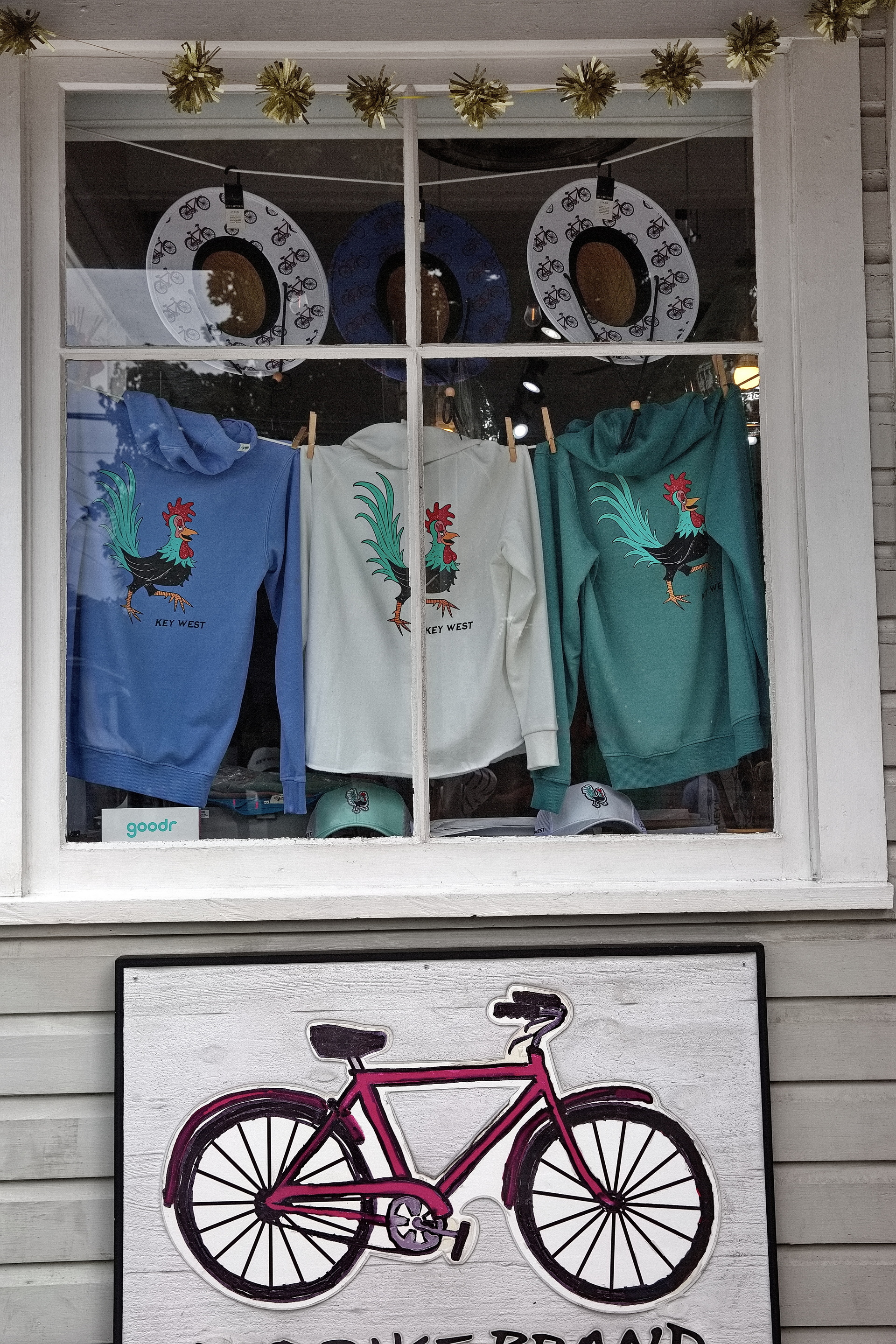
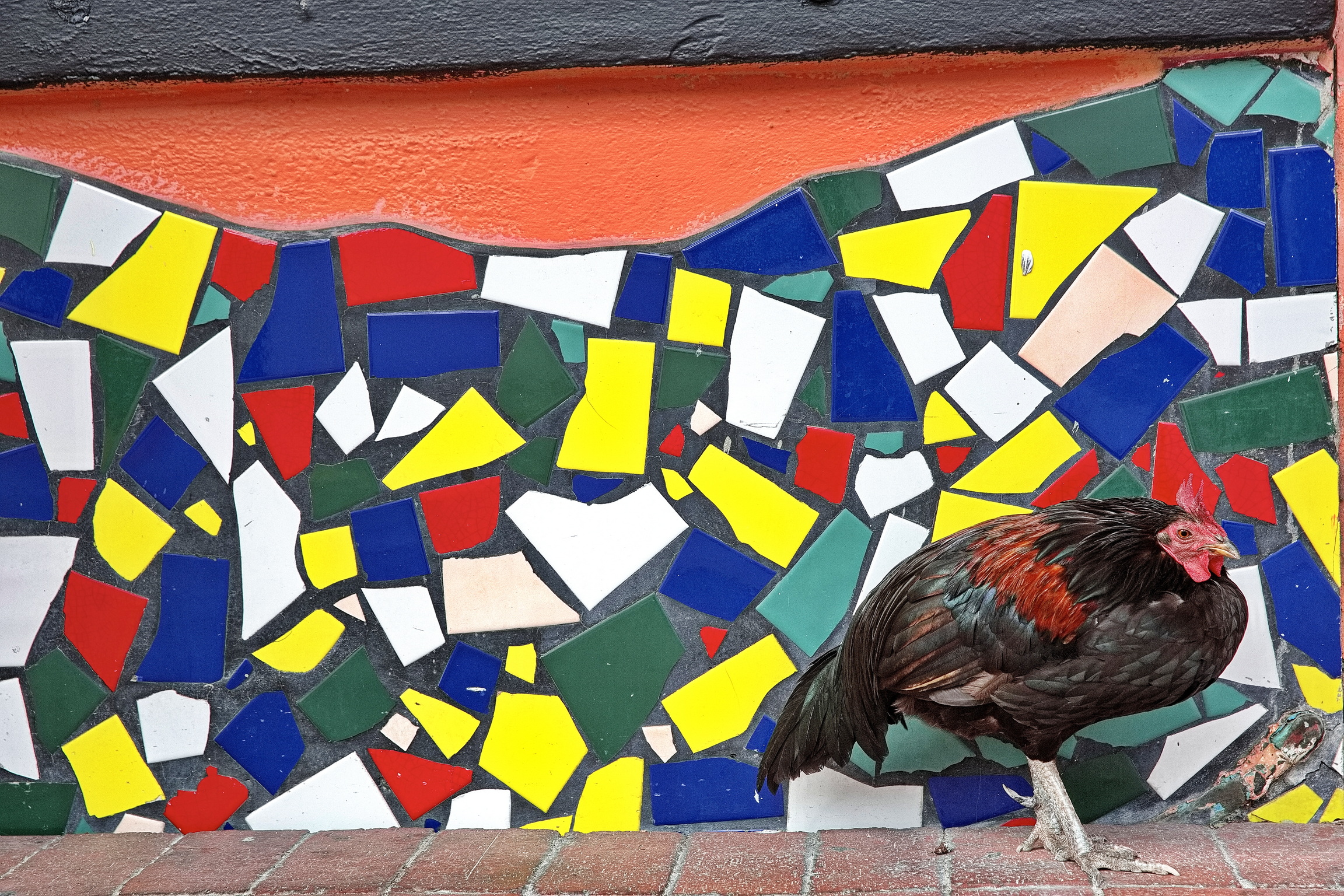
때로는 길거리에서 자유롭게 활보하는(?) 닭들을 마주치는 일이 아주 자연스러웠다.
지금도 Key West를 회상하면 거리의 닭과 그들의 울음소리가 떠오른다.
19세기 후반 Key West에는 쿠바 난민과 이주민이 많이 살았는데
이들은 음식과 삶을 위해 닭을 길렀는데, 점차 섬 곳곳에 방목을 했고,
결과적으로 닭은 “자유롭게 돌아다니는 작은 가축”으로 섬 생활에 자연스럽게 녹아들었다고 한다.
Key West 시 당국도 큰 문제만 없으면 닭을 제거하지 않고 보호하기에
닭들의 숫자가 유지되며 관광객들에게 또 환의 볼거리를 제공한다.
Key West에서 그렇게 많은 닭을 볼 수 있는 이유 중 하나는
“Conch Republic” 정신이라고 하는 견해도 있다.
Key West는 1982년 Conch Republic이라는 유머러스한 독립 선언을 했는데,
지역 주민들이 전통과 자유를 중요시하는 자치적 문화를 강조한 것이다.
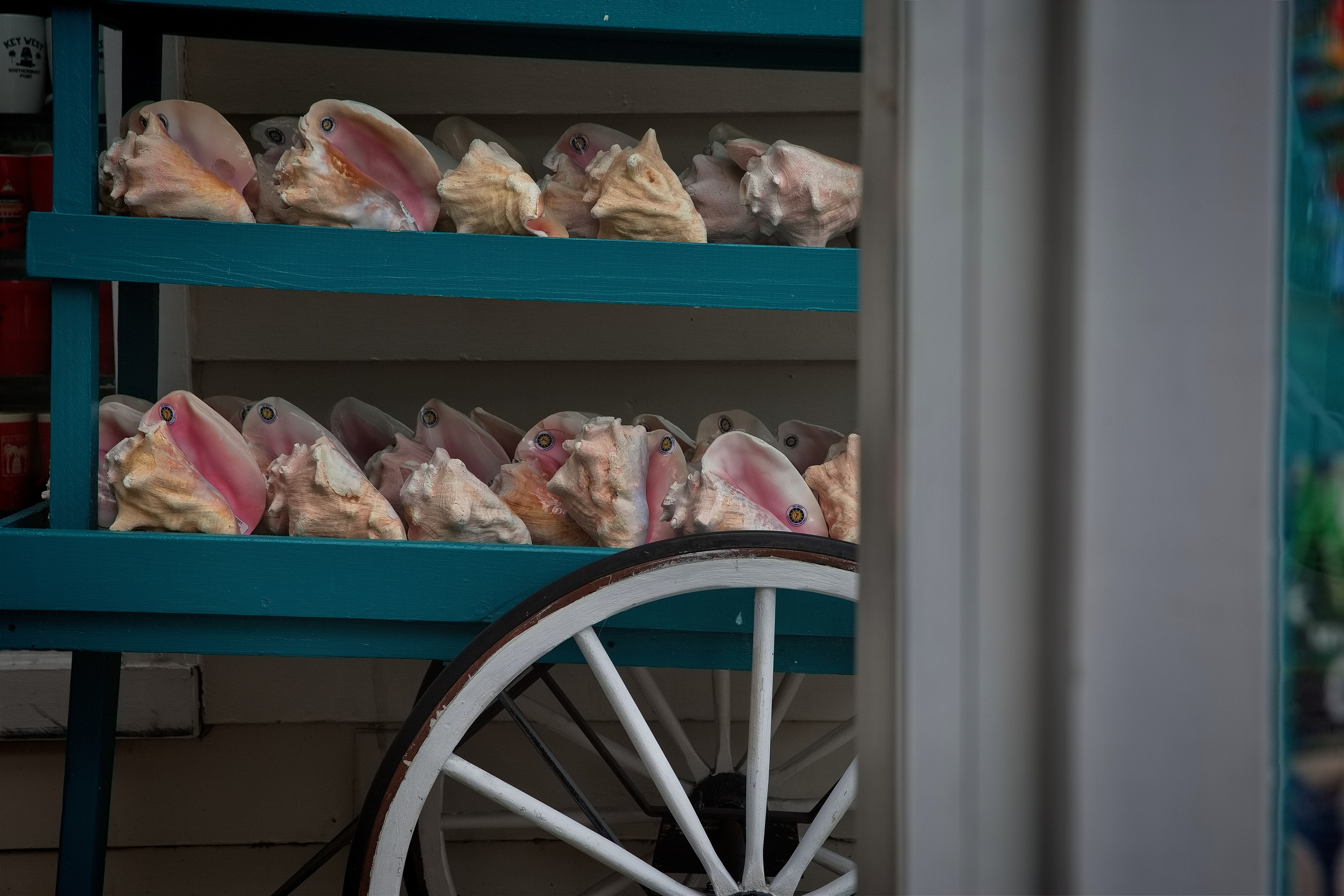
'Conch(발음은 콘치, 혹은 콩크)'는 한국어로 소라인데
Conch Republic(소라 공화국)은 1982년 4월 23일이다.
미국 연방정부가 Key West로 가는 유일한 도로(Overseas Highway)를 차단하고 검문검색을 했다.
쿠바인들의 불법 입국을 막기 위함이었다.
당연히 관광객과 화물 통행에 문제 발생했고
결과적으로 Key West는 지역 경제에 막대한 타격을 입었다.
주민들이 유머러스하게 독립 선언을 했으나 바로 항복을 했고 이는 상징적인 이벤트로 마감을 했다.
이는 Key West의 자유 정신과 유머 감각 상징한다.
이 정신 덕분에 거리 닭 방목도 어느 정도 “문화적 유산”으로 인정하는 분위기가 형성되었다고 볼 수 있을 것 같다.













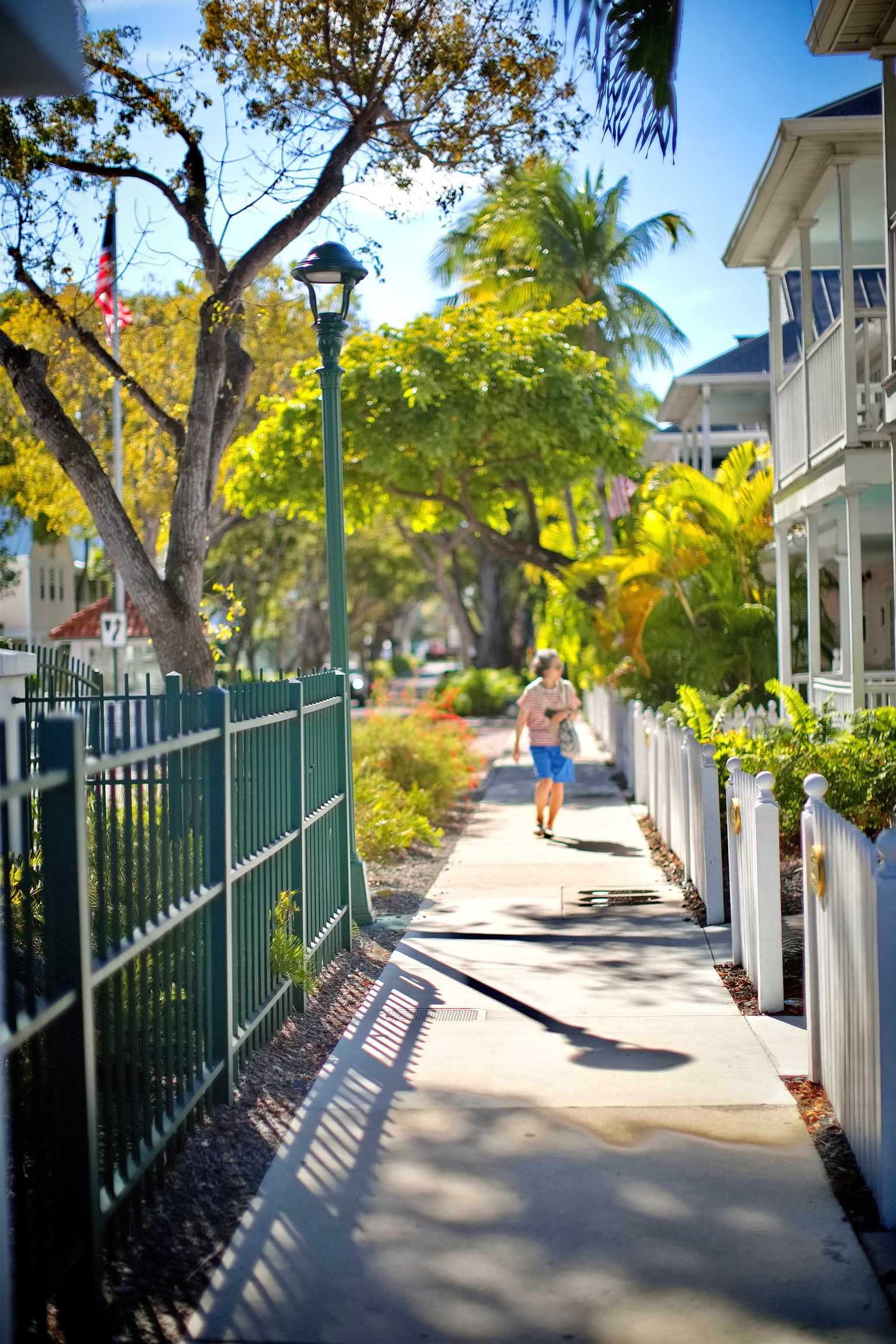

Key West, Florida – Streets and Chickens
Key West is an island located at the southern tip of Florida, at the very end of the Florida Keys.
It stays warm even in winter, attracting many tourists.
Honestly, in my case, more than any other reason, I came here to satisfy a certain vanity—to say that I had been to the southernmost point of the United States.
Being about 90 miles from Cuba, you can get the sense that Cuban people and their culture have also influenced this place.
It is also famous for the beautiful color of its waters and its sunsets.
Since I was only on a day trip, I didn’t get to see the sunset and had to leave in a hurry.
Spanish explorers originally called the island “Cayo Hueso” (“Island of Bones”), which is generally believed to refer to the skeletal remains of indigenous people found around the island.
In the process of translating the name into English, the Spanish word “Cayo” (island) became Key, and “Hueso” (bone) became West.
Both words were approximated using English words similar in sound to the original Spanish.
So one should not mistakenly assume that the island is shaped like a “key” located in the west.
Glancing at the streets, it seemed that to tour the heart of Key West, one could use a tour bus, a trolley, a golf cart–like vehicle, or a bicycle.
However, we decided to rely on our own two sturdy legs.
Having visited the seaside, just 90 miles from Cuba, we began walking through the streets of Key West.
From the very beach onward, we kept hearing the sound of chickens crowing.
At times, it felt perfectly natural to encounter chickens freely roaming the streets.
Even now, when I think of Key West, I recall the streets full of chickens and their calls.
In the late 19th century, many Cuban refugees and immigrants lived in Key West.
They raised chickens for food and daily life, gradually letting them roam freely across the island.
As a result, chickens naturally became “small livestock freely wandering” that blended into island life.
The Key West city authorities also generally allow chickens to remain unless they cause major problems, helping to maintain their numbers and providing tourists with an extra spectacle.
One explanation for why there are so many chickens in Key West is the “Conch Republic” spirit.
In 1982, Key West humorously declared independence as the Conch Republic, emphasizing a self-governing culture that values tradition and freedom.
Thanks to this spirit, allowing chickens to roam freely on the streets has been somewhat recognized as a cultural heritage.
“Conch” (pronounced “konch” or “konk”) means “sea snail” in Korean.
The Conch Republic, or “Sea Snail Republic,” was declared on April 23, 1982.
The U.S. federal government had blocked the Overseas Highway, the only road to Key West, which naturally caused problems for tourists and goods transportation.
This action dealt a significant blow to the local economy.
Residents humorously declared independence but immediately surrendered, making the event largely symbolic.
It stands as a symbol of Key West’s spirit of freedom and sense of humor.
I feel that the chickens wandering the streets are also a reflection of this same freedom and playful spirit.
'여행 이야기 > 미국 여기저기' 카테고리의 다른 글
| Florida의 Key West - Sloppy Joe's (1) | 2026.02.05 |
|---|---|
| Florida의 Key West - Hemingway 집과 고양이 (3) | 2026.02.04 |
| Florida의 Key West-미국의 최남단 (1) | 2026.02.02 |
| Everglades National Park의 Sharks Valley (0) | 2026.01.30 |
| Barefoot Beach에서 (0) | 2026.01.30 |


