Everglades National Park의 Sharks Valley
그제 Miami Beach에서 Bonita Springs로 가는 길에 Everglades National Park에 들렸다.
Everglades라는 이름은 두 단어의 결합에서 왔다.
'영원히'라는 의미의 'Ever', 초원이나 습지를 뜻하는 'Glades'가 합쳐진 말로써
끝없이 펼쳐진 습지'를 뜻하는데
실제로 이 지역을 운전하며 지나간 경험이 있는 사람은 고개를 끄덕이게 할 것이다.
나도 운전을 하며 지루하다는 느낌을 받았다.
19세기 중반, 이 지역을 탐험하던 미국인들이
수평선까지 계속 이어지는 풀과 물의 풍경을 보고
이 땅을 Everglades라고 부르기 시작했다고 한다.
재미있는 점은, 이곳이 전통적인 늪처럼 어둡고 정체된 공간이 아니라
멀리까지 시야가 트여 빛이 잘 든다는 점이다.
그래서 “끝없이 펼쳐진(glade)”이라는 표현이 아주 잘 어울린다.
에버글레이즈 국립공원은 미국 플로리다주 남부에 위치한 국립공원으로,
세계에서 가장 독특한 아열대 습지 생태계를 보호하고 있는 곳이다.
면적은 약 **6,100㎢**로, 미국 본토 국립공원 중에서도 상당히 넓은 편인데
안내를 맡은 사람의 말을 빌면 미국에서 세 번째로 크다고 한다.
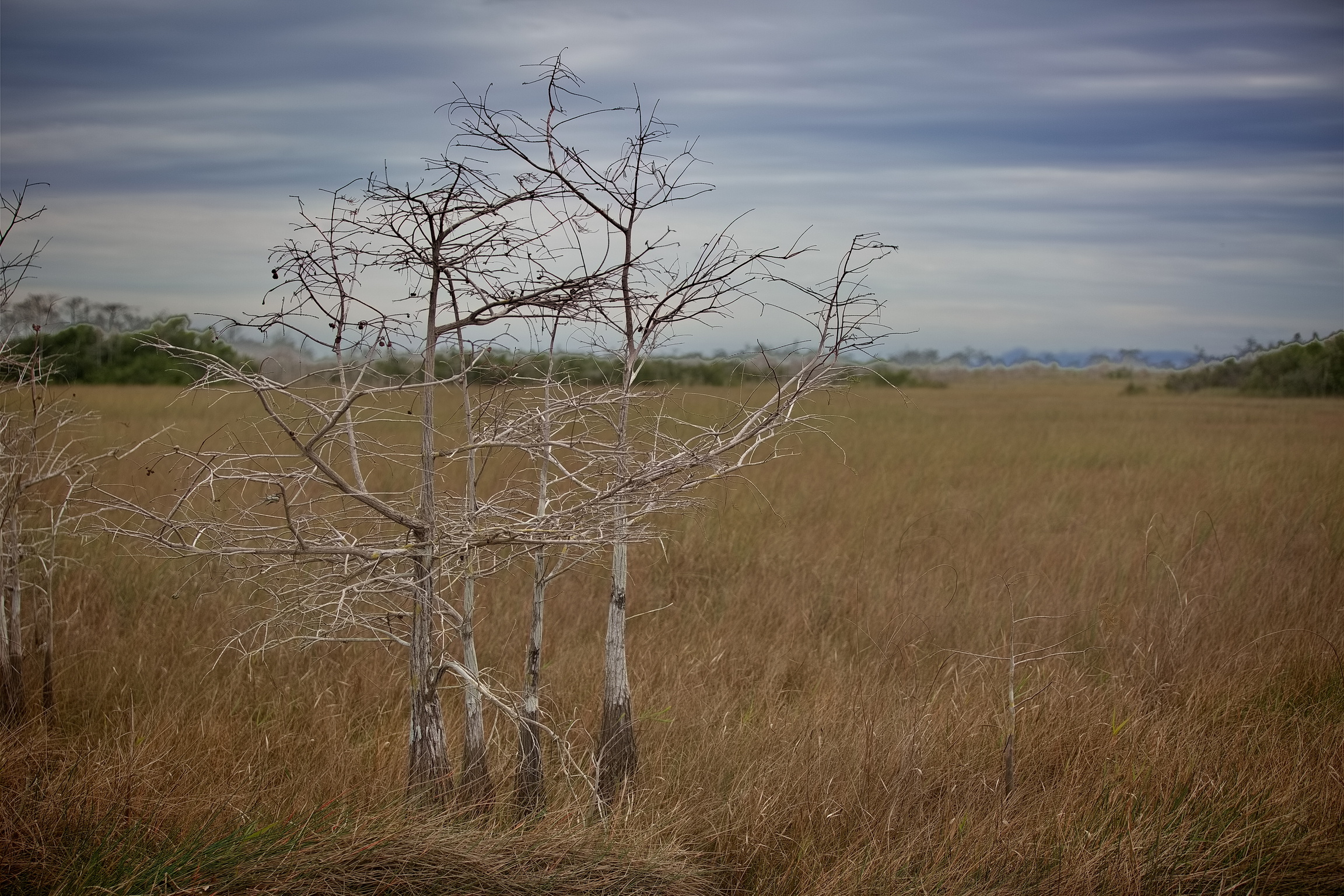
이곳의 가장 큰 특징은 흔히 말하는 늪(swamp)이 아니라
“흐르는 풀의 강(River of Grass)”이라고 불리는 아주 느리게 이동하는 얕은 물이다.
물이 거의 눈에 띄지 않게 북쪽에서 남쪽으로 흘러가며 광대한 초원을 적신다.
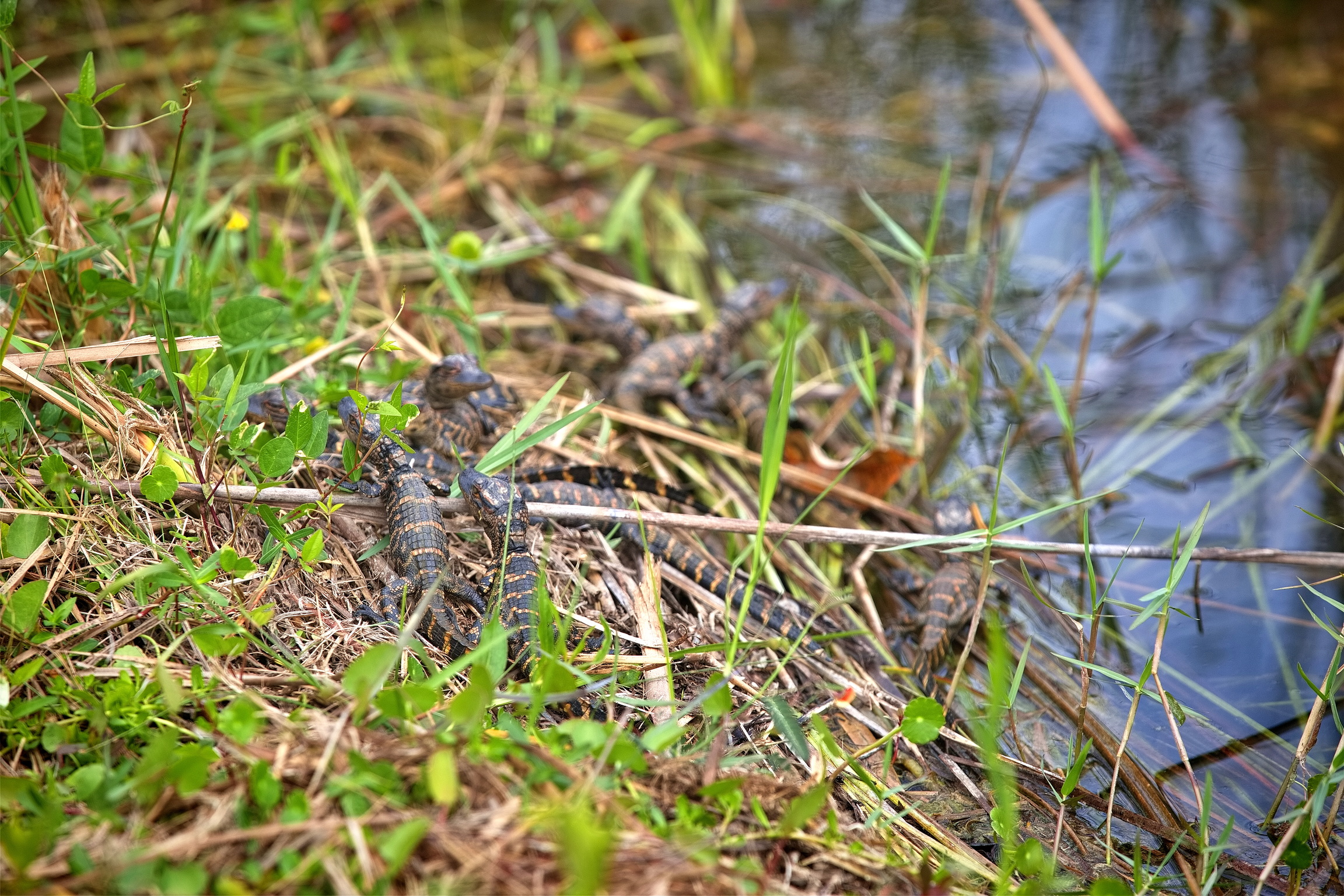
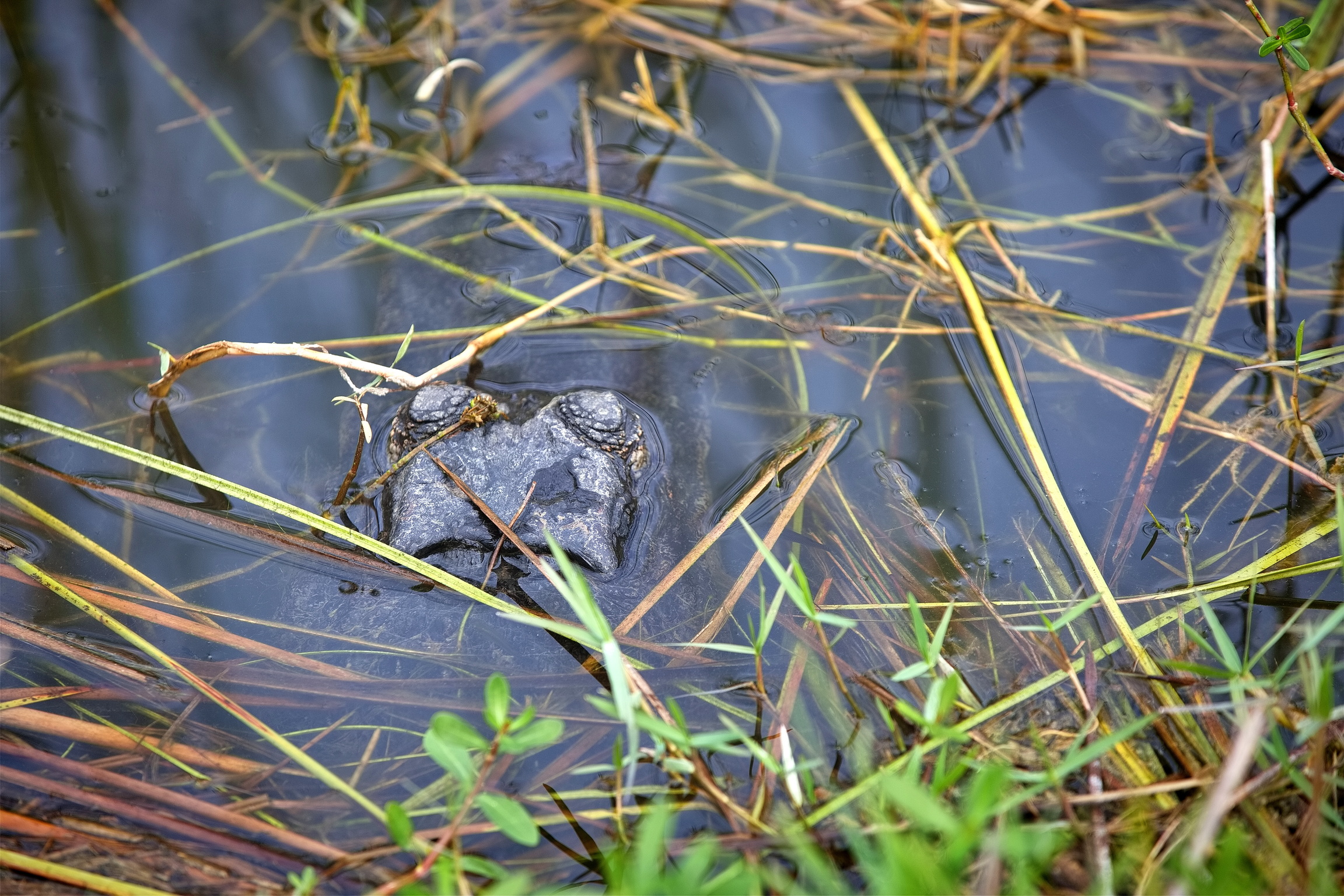
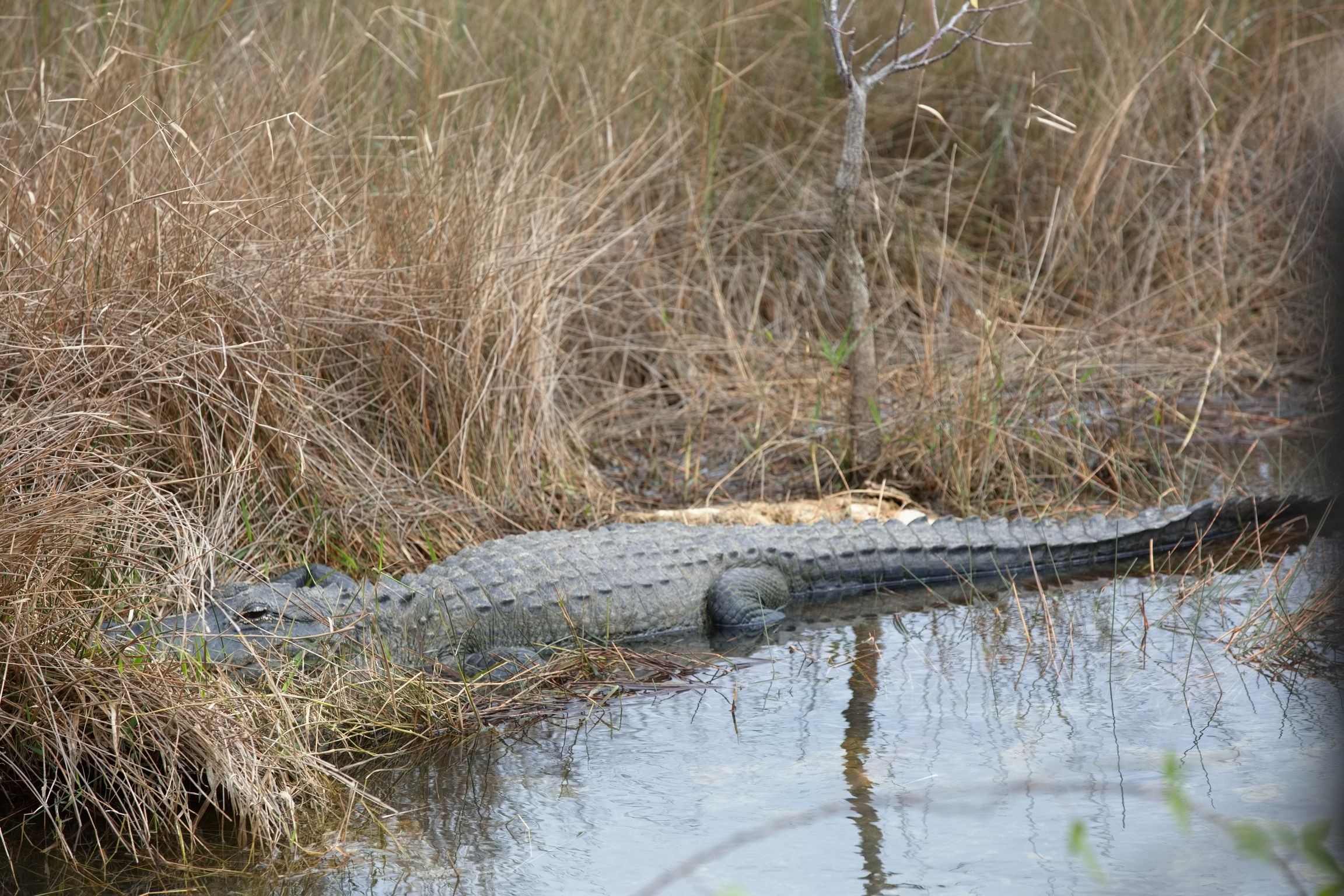
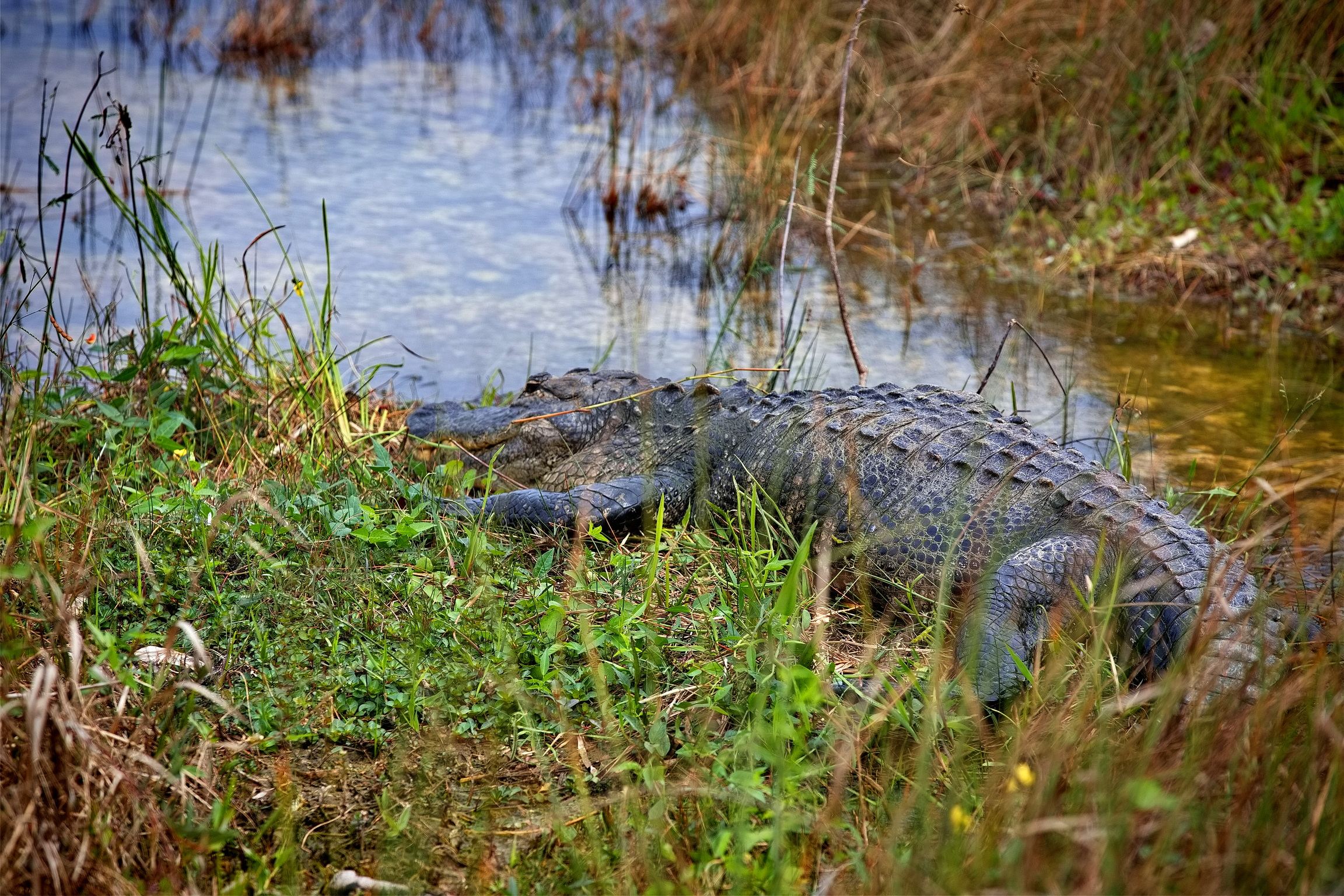
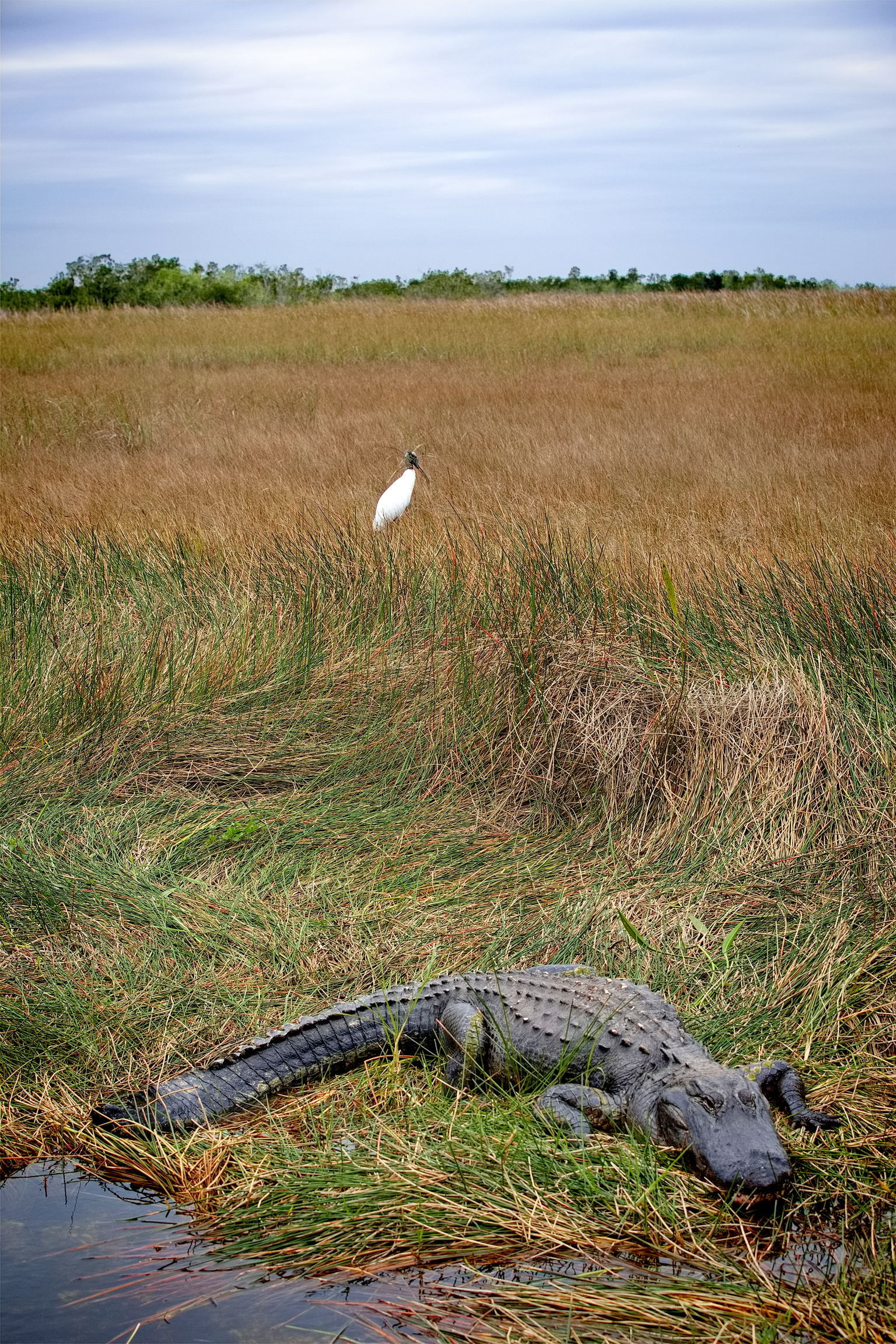
그리고 전 세계에서 미국악어와 앨리게이터가 자연 상태로 함께 사는 유일한 장소가 바로 에버글레이즈 국립공원인데
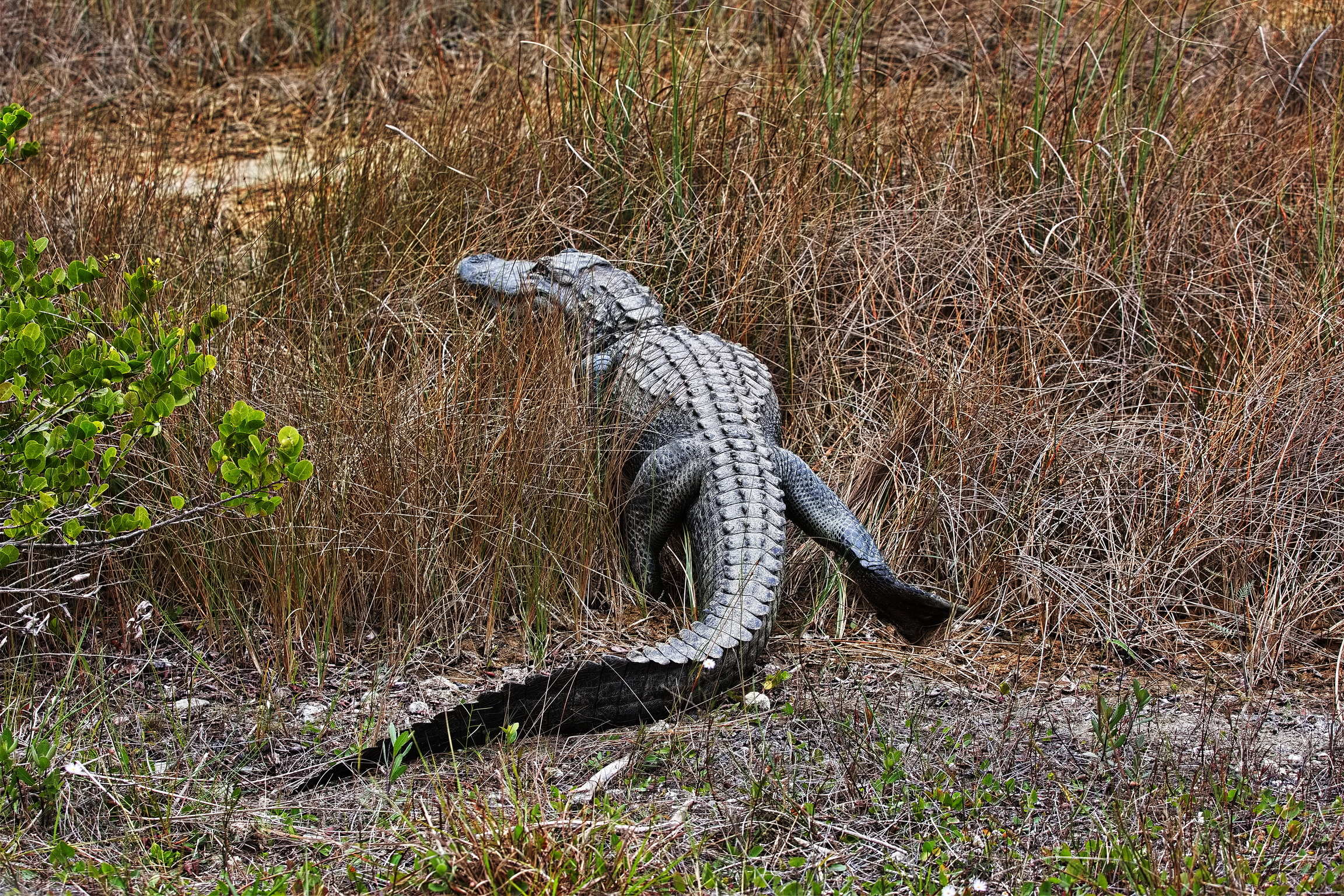
말 그대로 물 반 악어 반이라고 하면 좀 지나치다고 할지 모르나 그 정도로 쉽게 눈에 띈다.
미국악어( American crocodile)와 앨리게이터를 구분하는 방법 중 하나가
민물에서만 살 수 있는지 민물과 바닷물 양쪽에서 살 수 있는가 하는 점이다.
미국악어는 민물과 바닷물 모두에서 서식이 가능하나
앨리게이터는 민물에서만 살 수 있다고 하는데
담수와 해수가 섞이는 독특한 환경 덕분에 두 종류 모두가 서식하는 세계 유일의 장소가
바로 Everglades National Park이다.
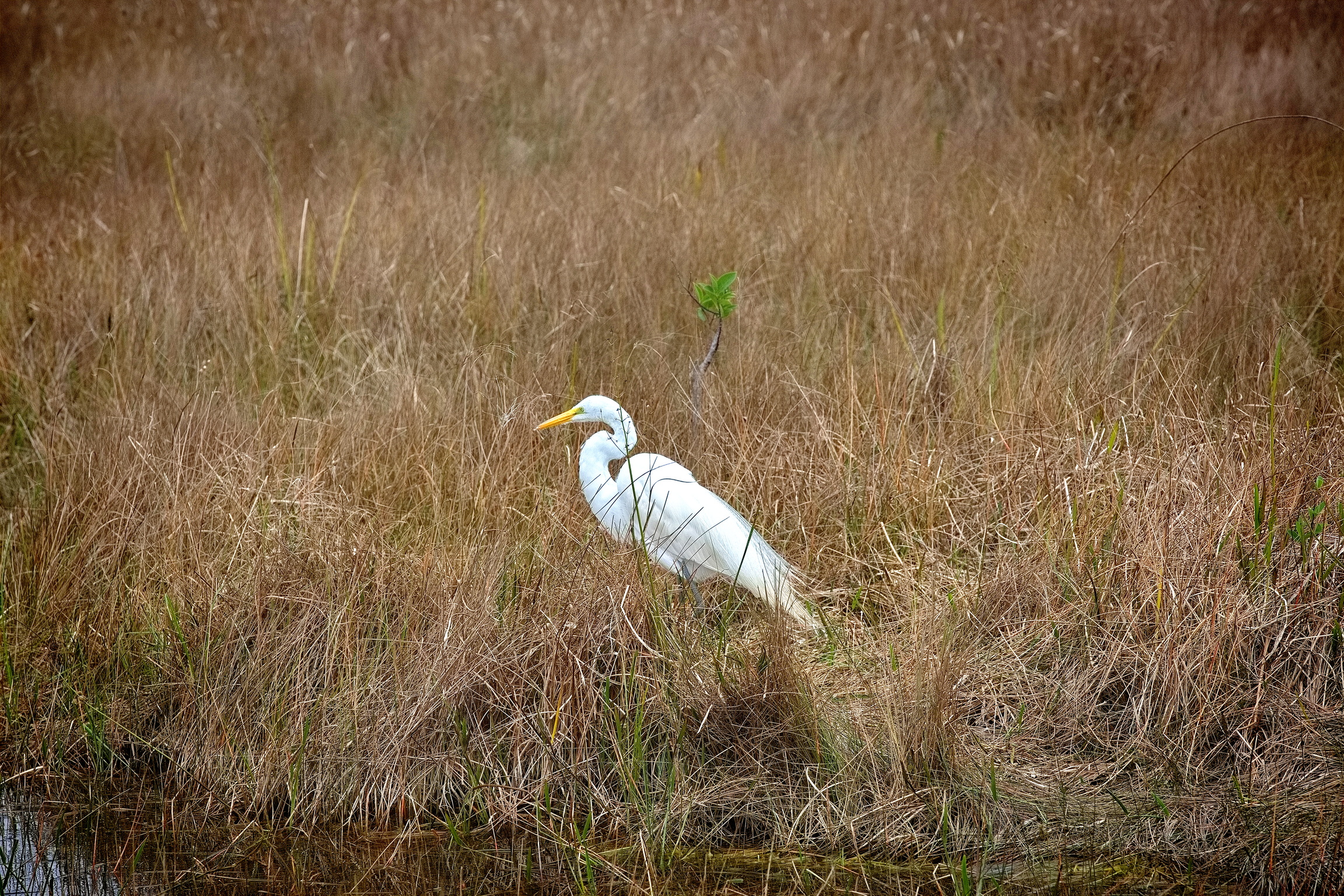
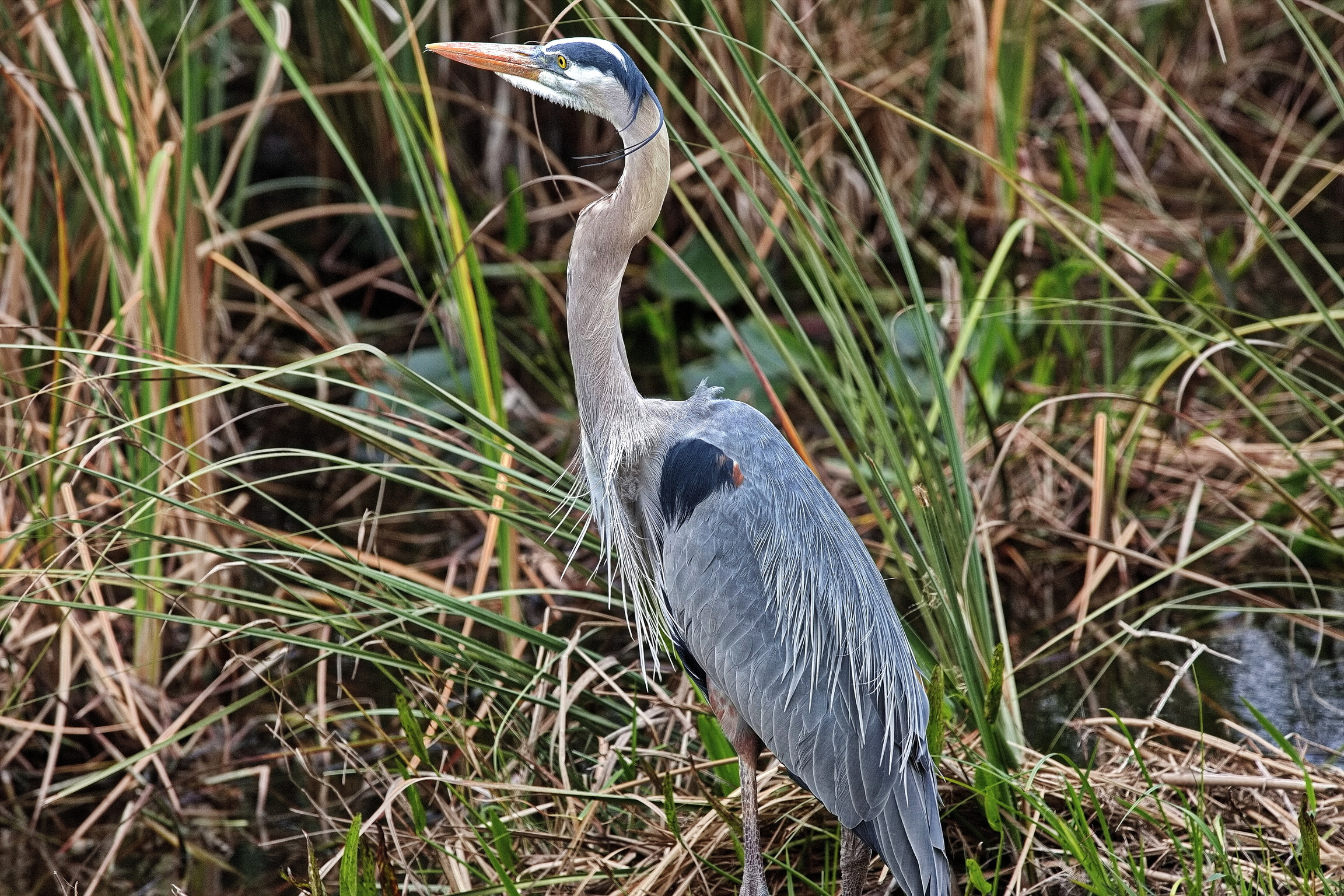
또한 Florida panther라고 하는 푸마의 일종, 올란도에서 보았던 매너티, 그리고 희귀 조류들의 서식처로서
중요성이 인정되어 유네스코 세계 자연유산으로 등재되었다.
그리고 나무가 드문 이곳의 대부분을 차지하는 식물이 sawgrass인데 키가 2-3 키터까지 자라기도 하는데
잎의 가장자리가 톱니처럼 날카로워서 이런 이름이 생겼다.
이 풀밭이 물의 흐름을 조절하고 수많은 동물의 서식지를 만들어 준다.
다소 설명이 길어졌는데 우리는 이 공원 중
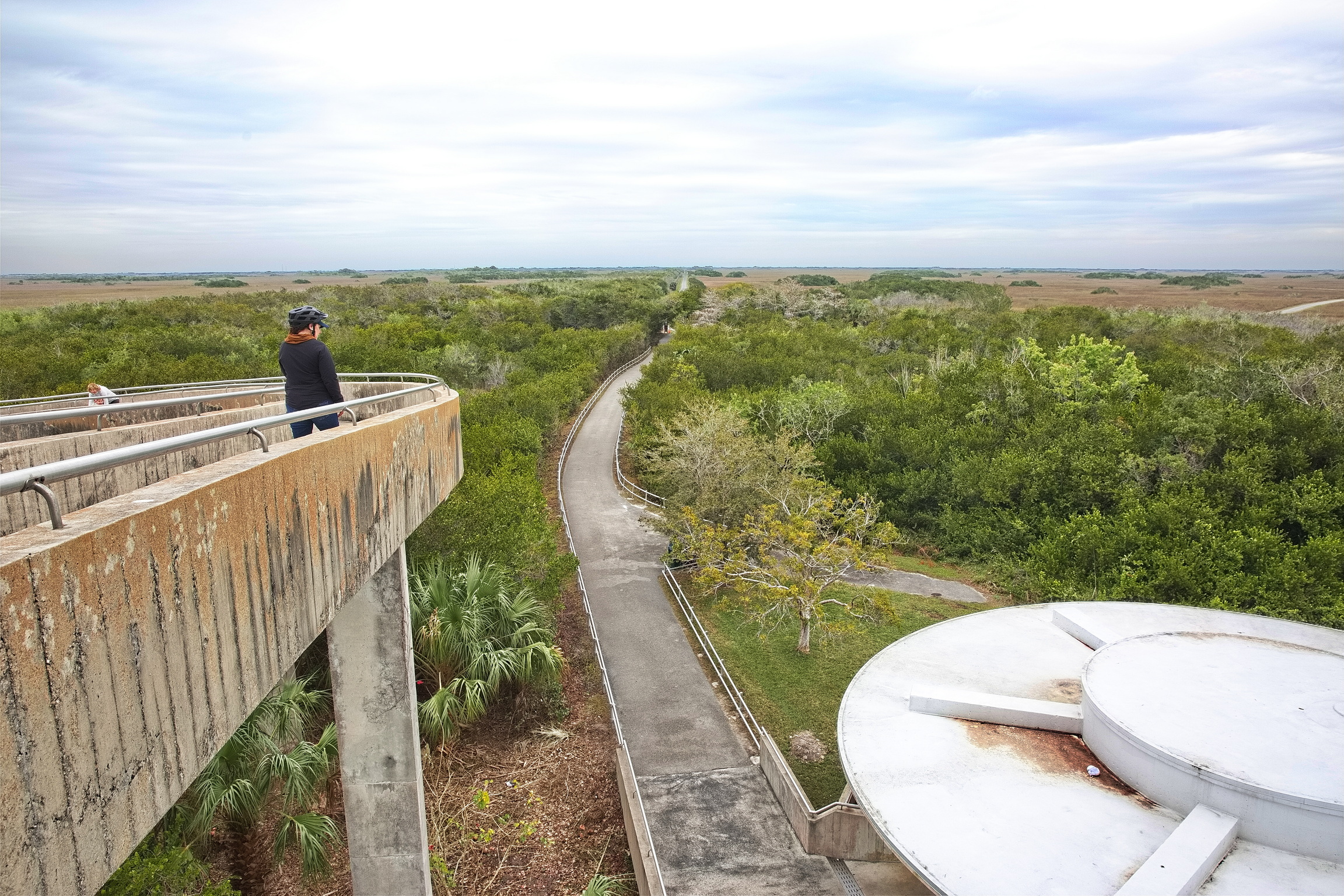
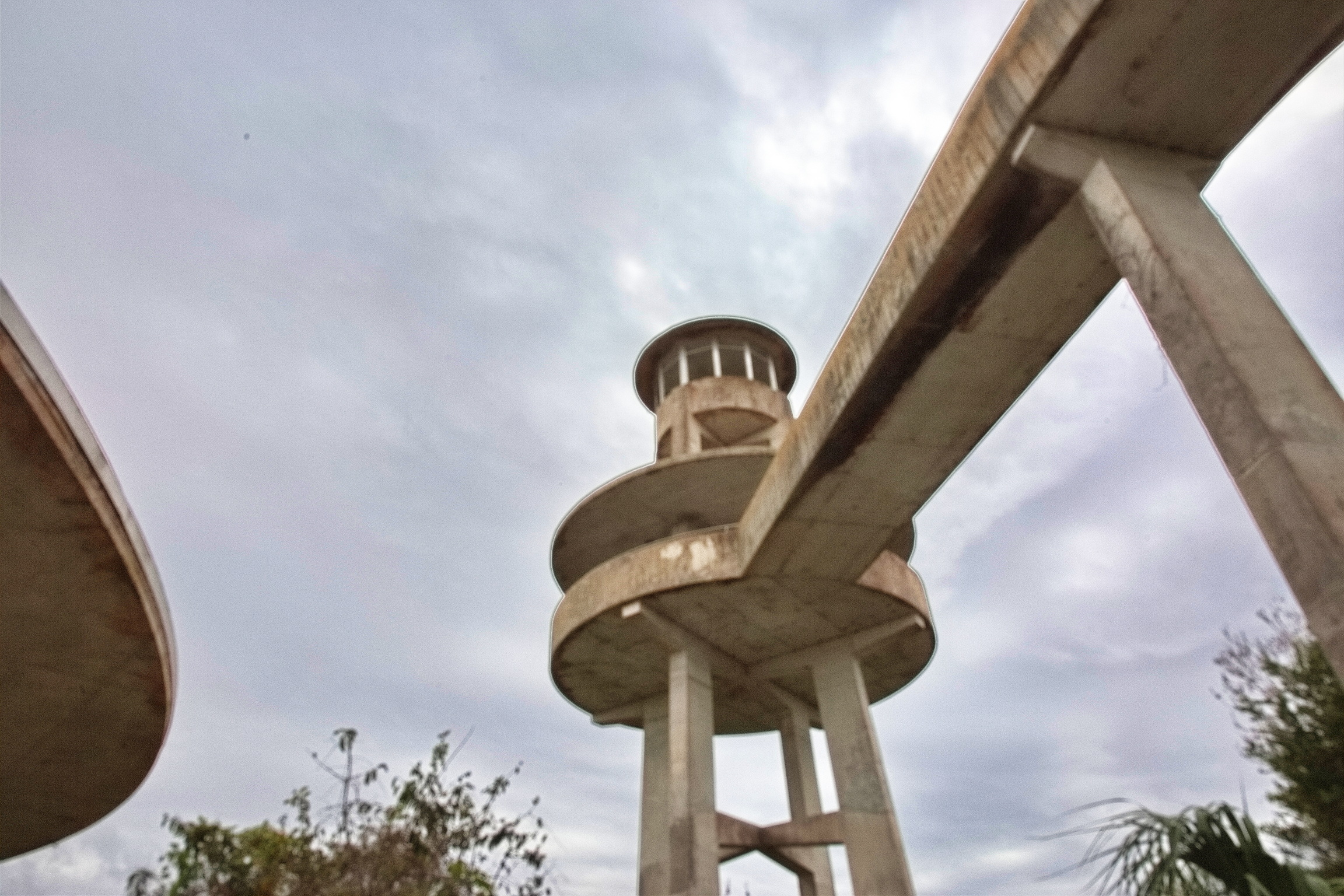
Shark Valley를 찾았다.
Shark Valley는 상어와는 상관이 없는데 악어 관찰을 하기 좋은 곳이다.
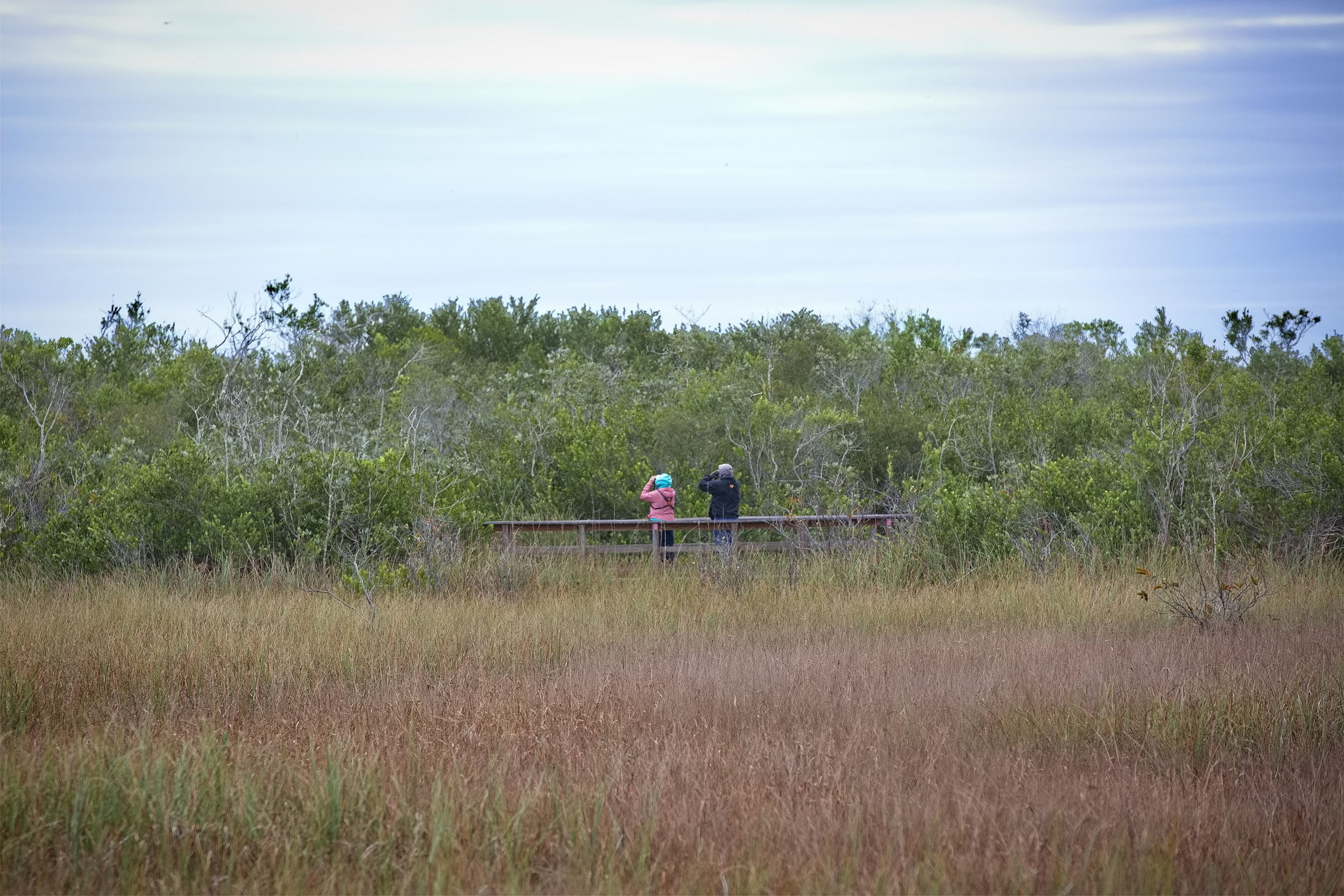
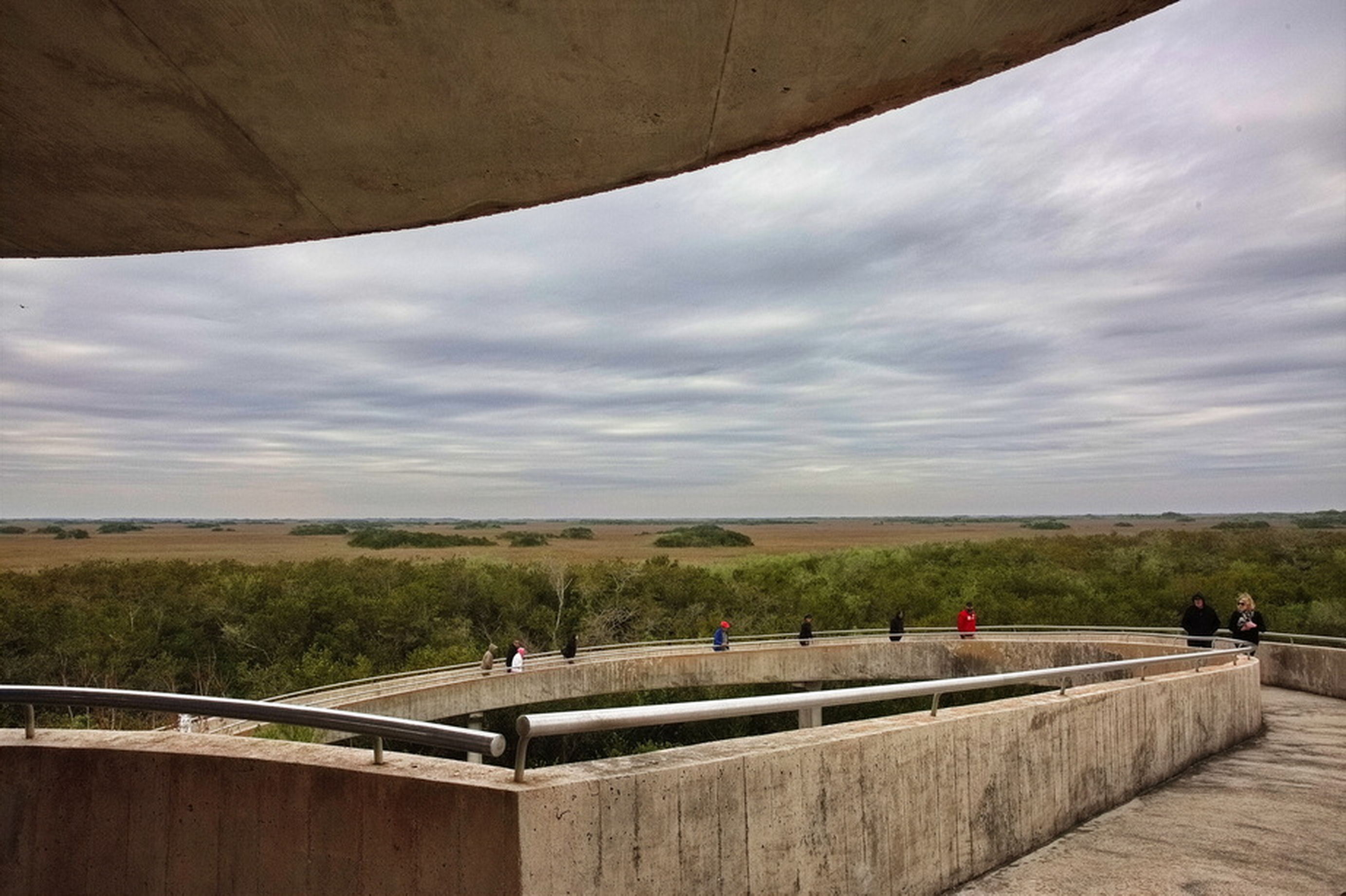
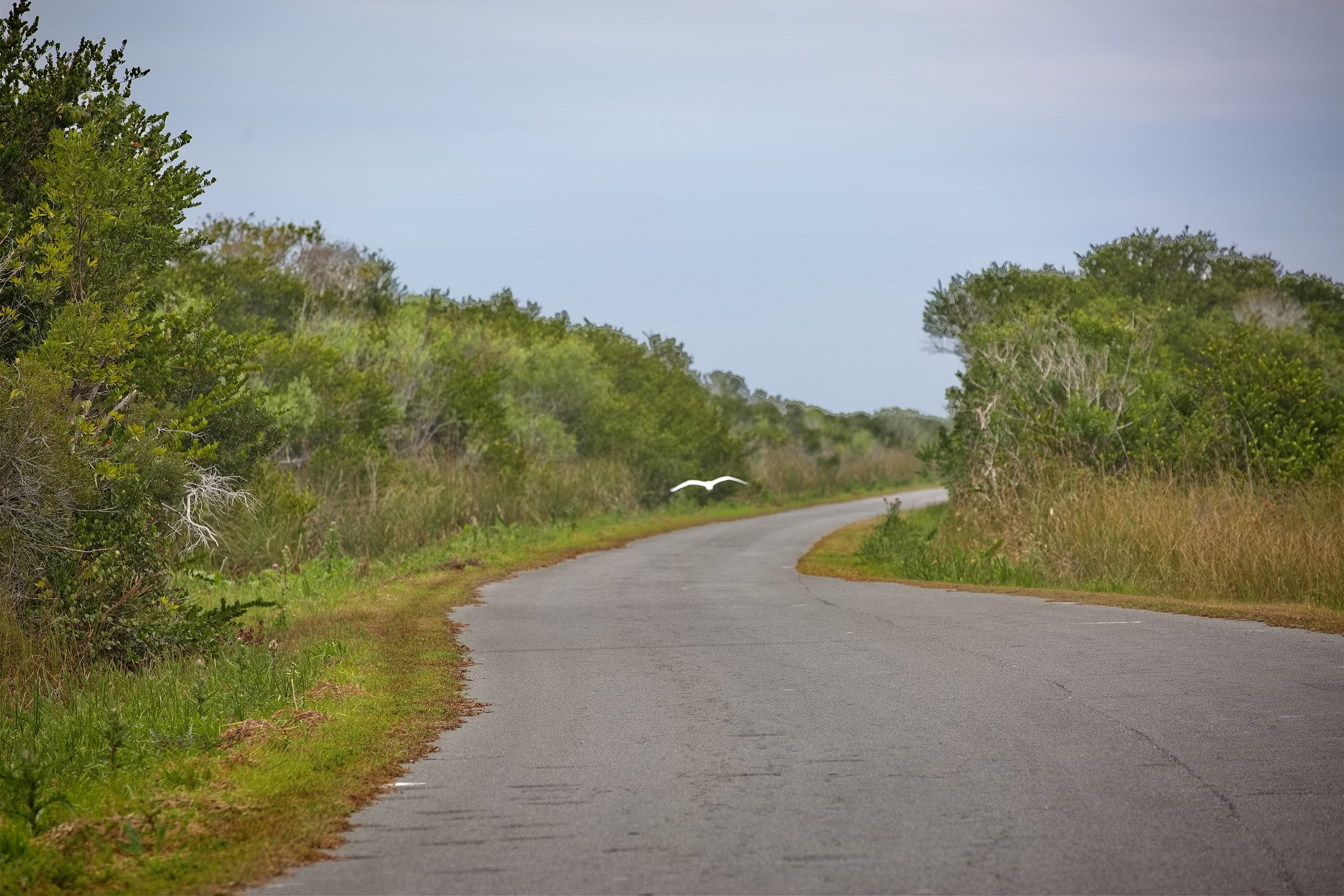
풀밭 사이로 길을 내어서 도보, 자전거, 트램으로 한 바퀴를 돌 수 있는데
그 길이는 약 24 킬로 미터이다.
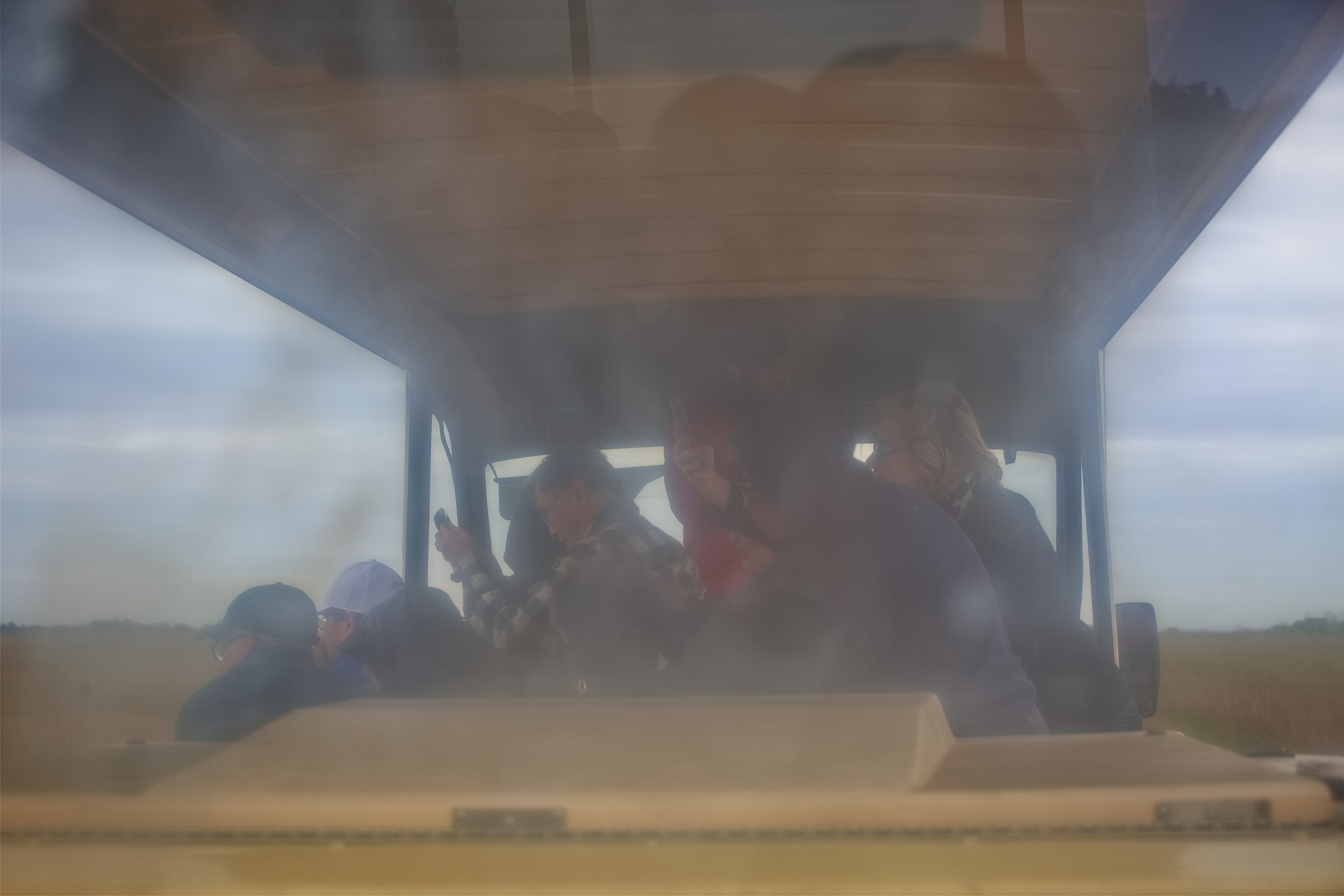
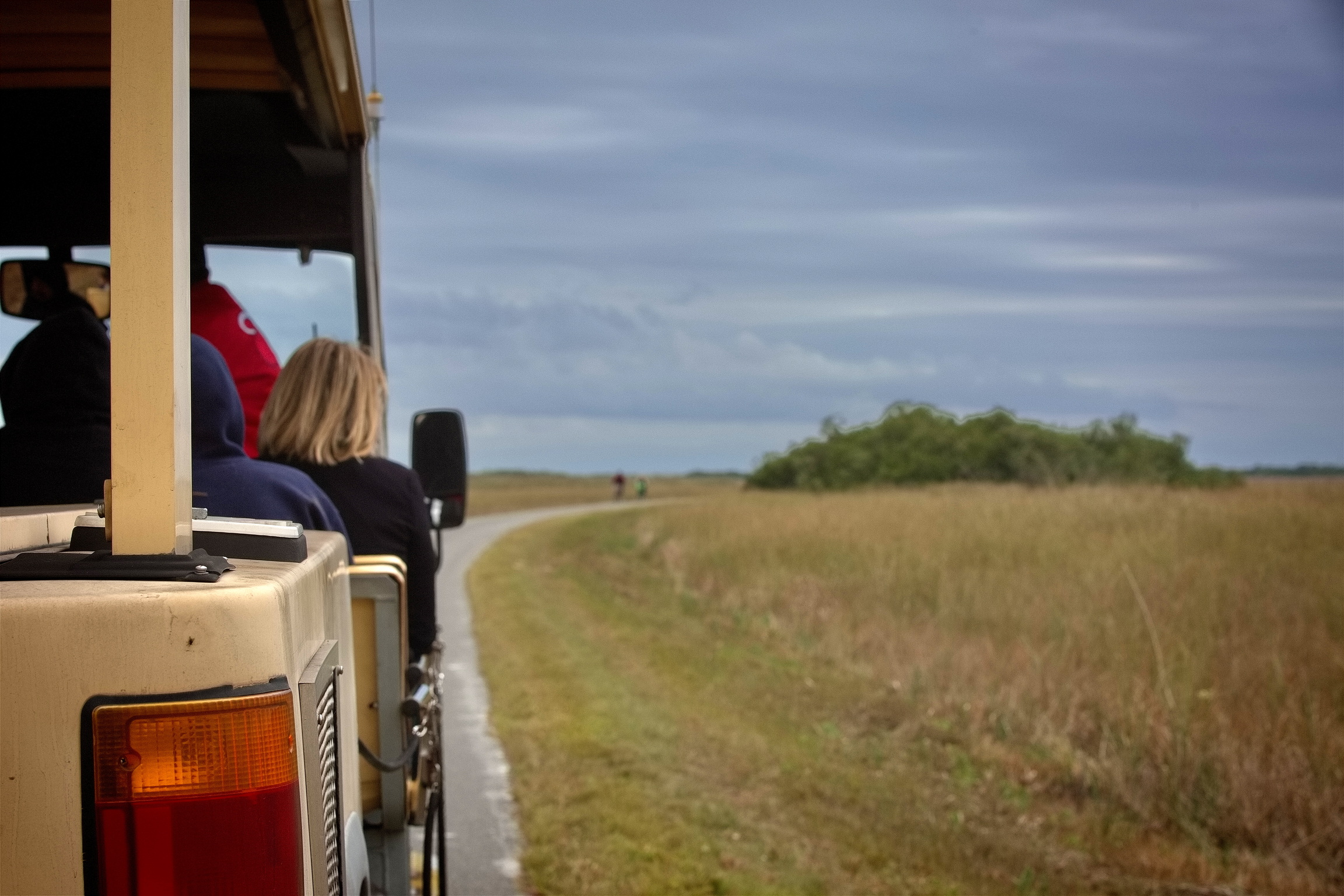
우리는 트램을 예약해서 가이드의 설명을 들으며 Shark Valley를 관람했다.
날이 흐리고 바람이 불어서 조금 추웠다.
그리고 지루했다.
앨리게이터와 크로커다일, 새와 같은 동물보다
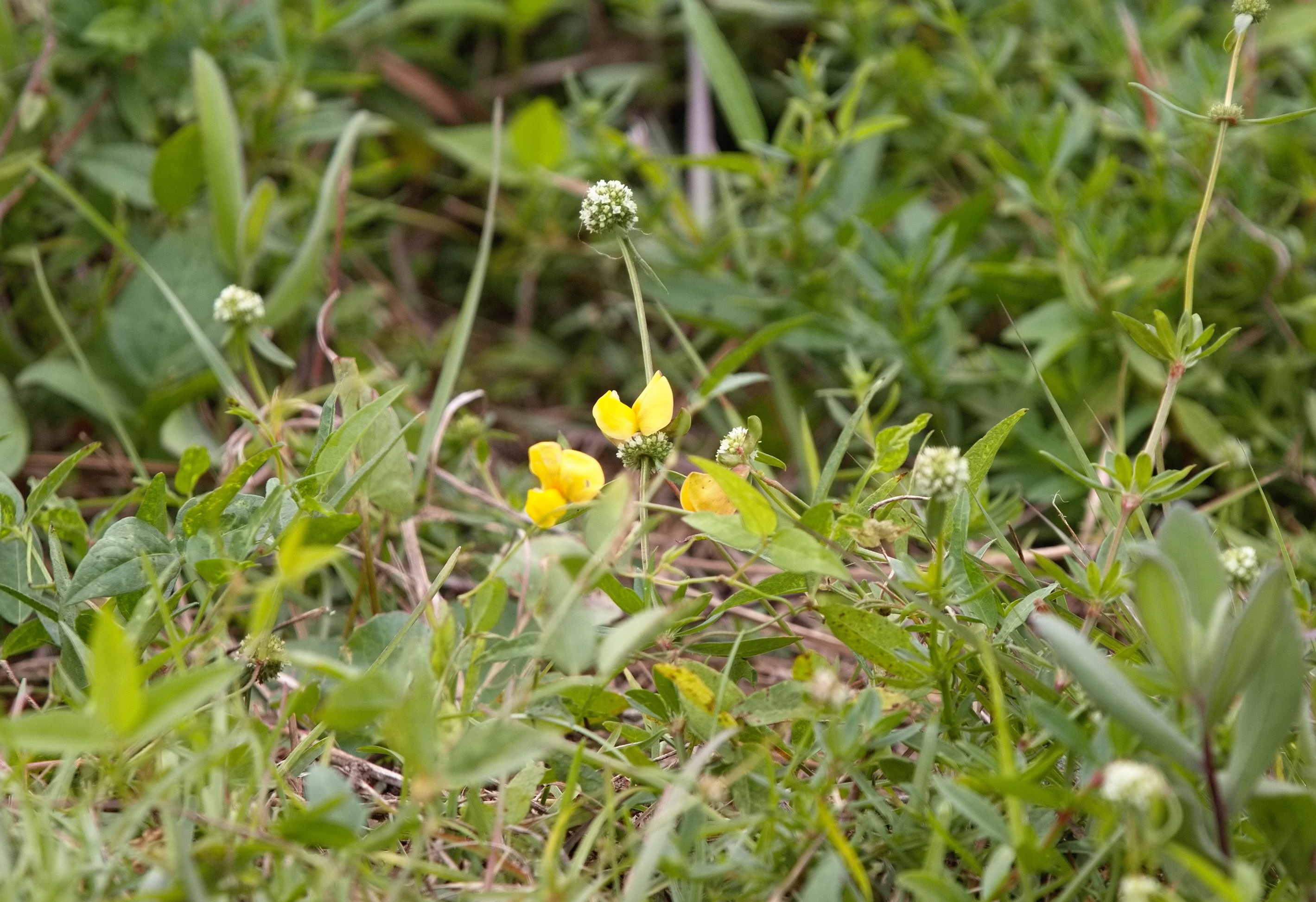
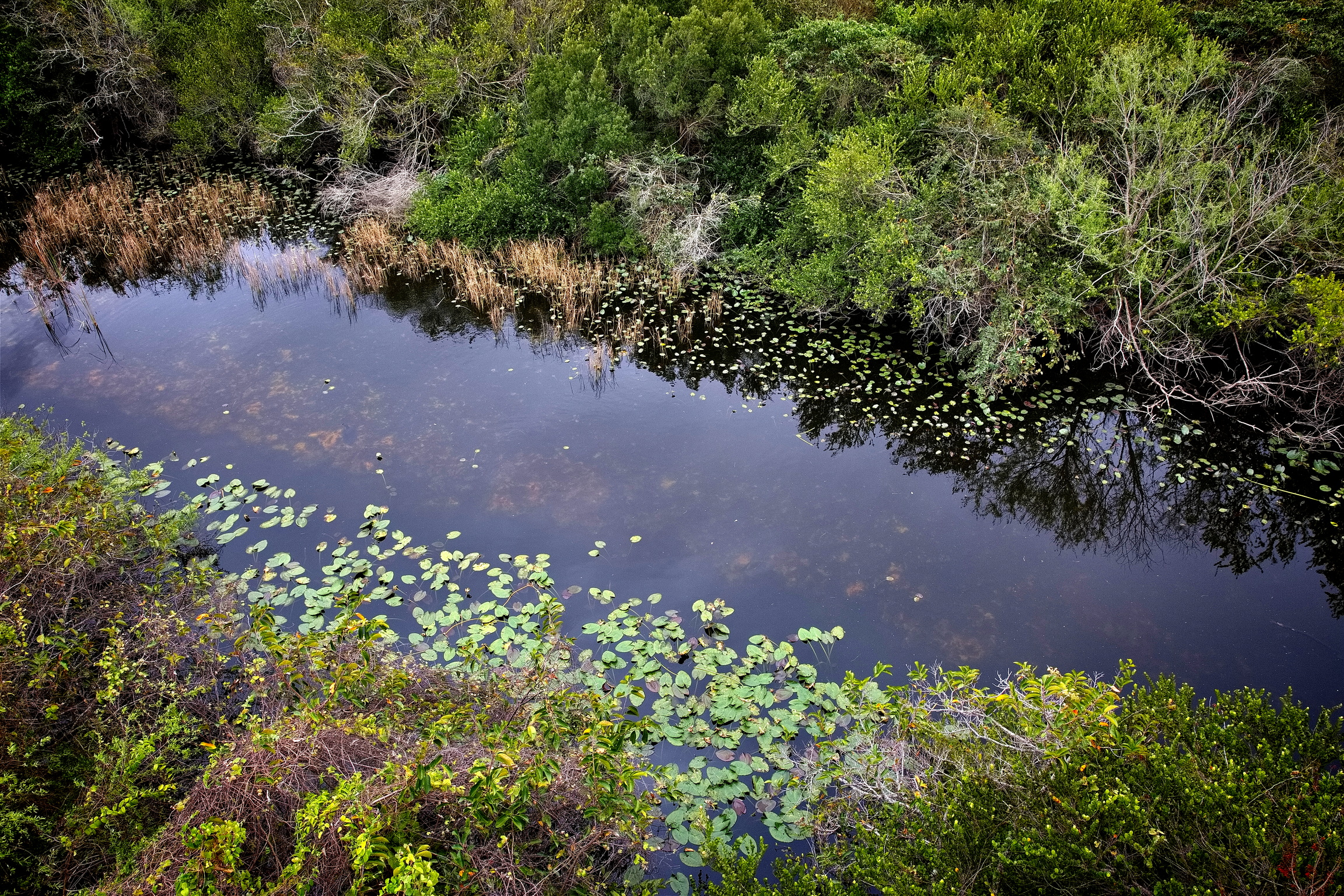
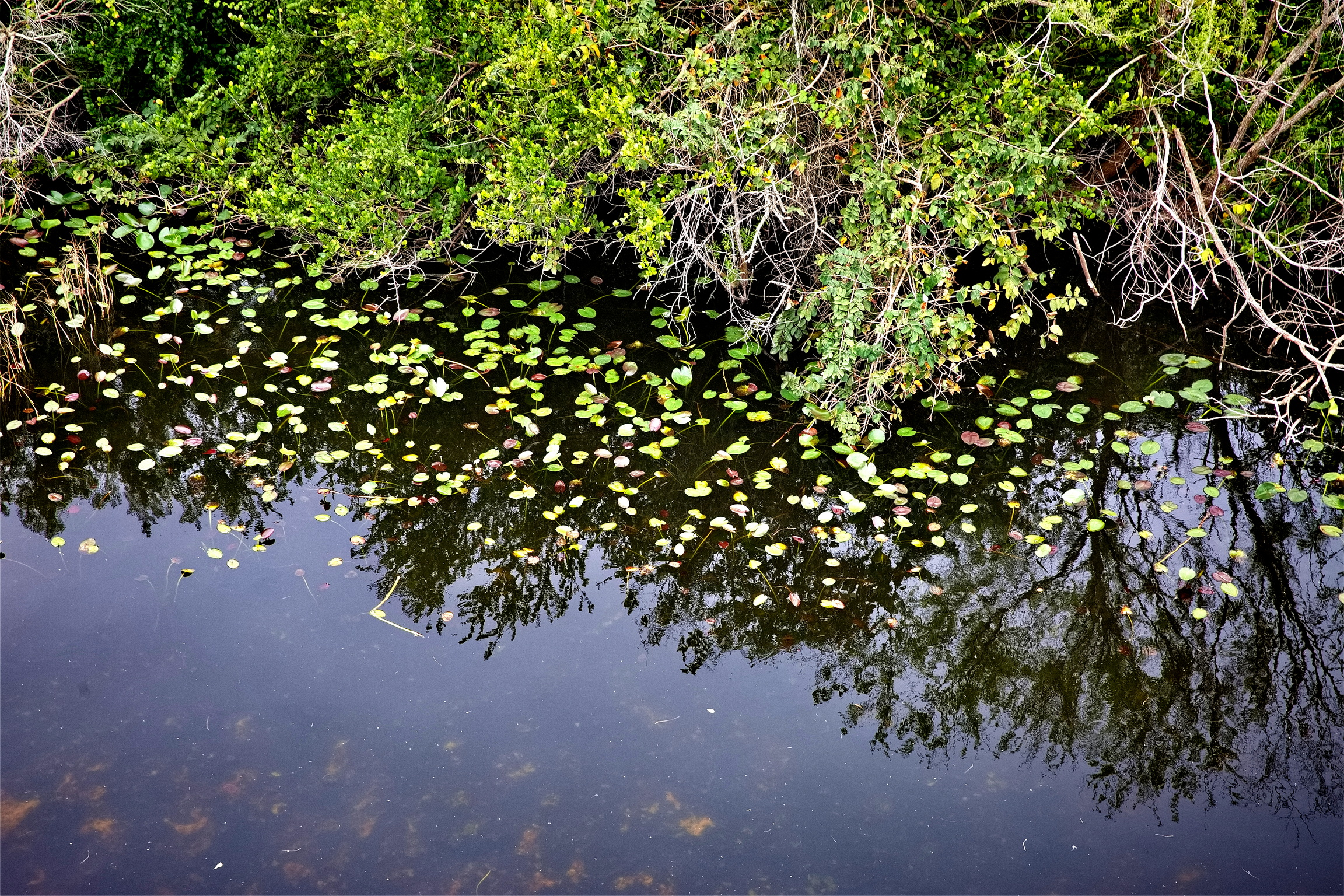
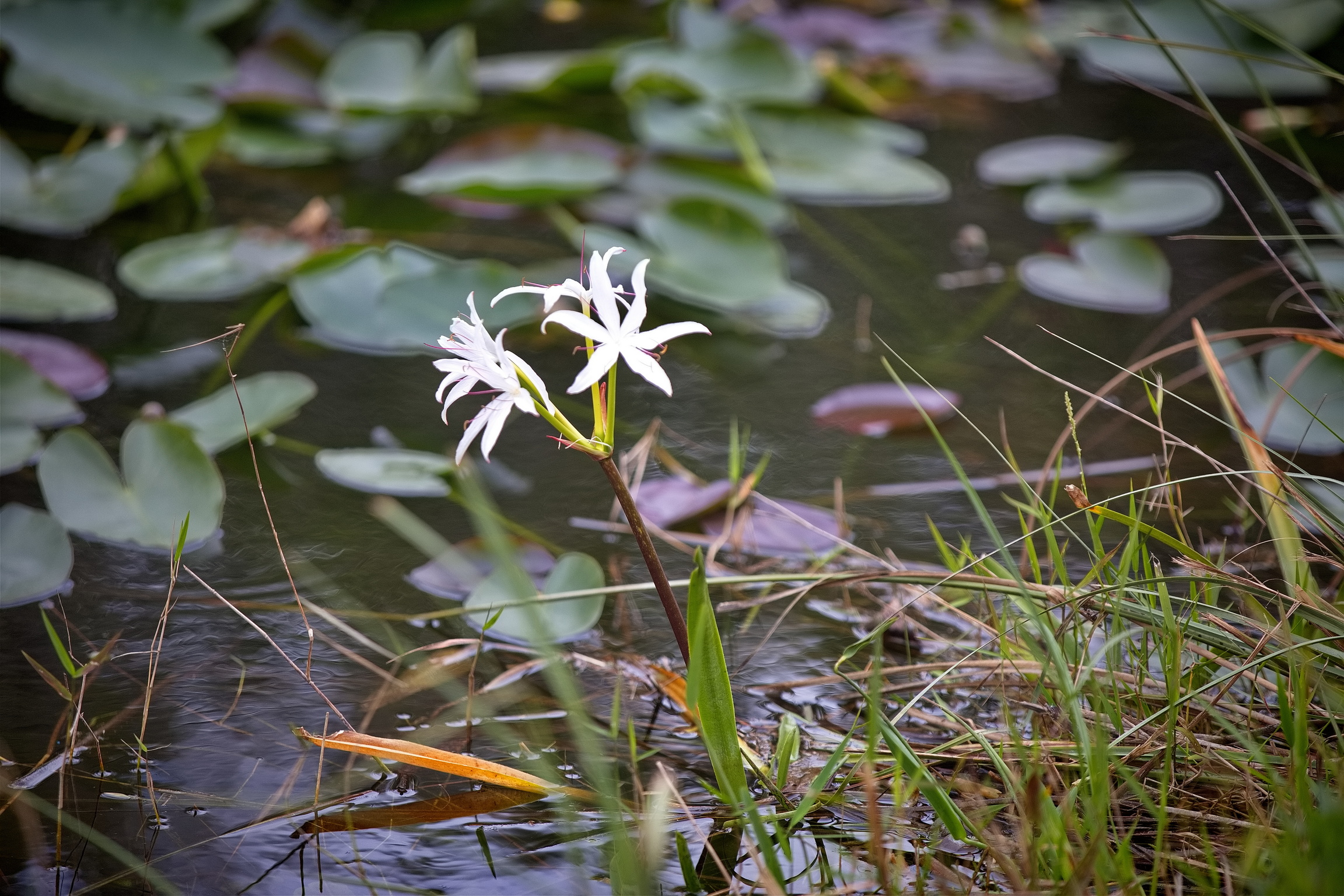
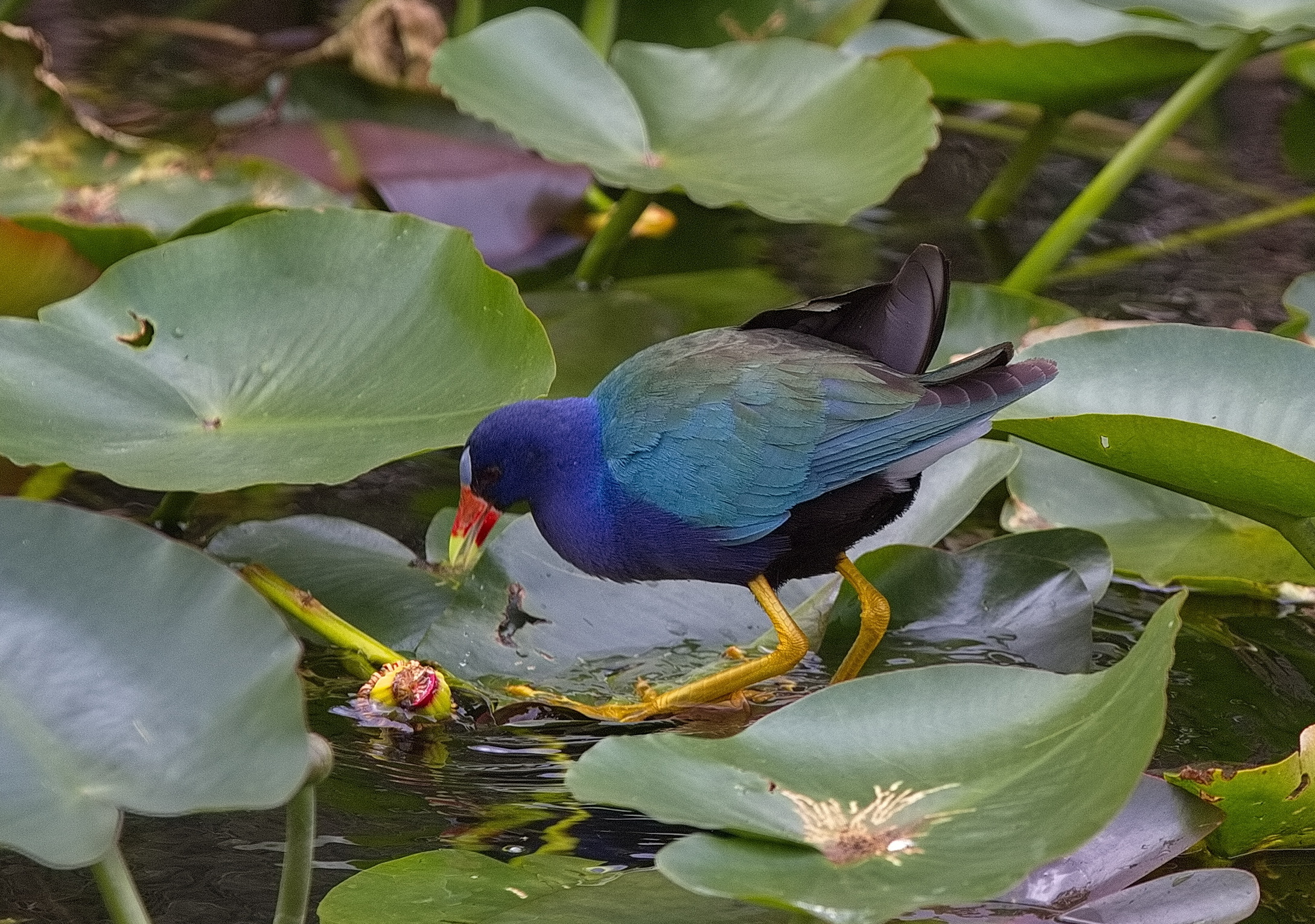
물이 천천히 흐르는 곳에 덮여 있는 연꽃에 더 눈길이 갔다.
날이 추워서인지 벌어지지 않은 연꽃 봉오리만 무수히 보았다.














Shark Valley in Everglades National Park
The day before yesterday, on the way from Miami Beach to Bonita Springs, I stopped by Everglades National Park.
The name Everglades comes from a combination of two words: “Ever,” meaning “forever,” and “Glades,” meaning grasslands or wetlands. Together, the name means “endlessly spreading wetlands.” Anyone who has actually driven through this region would likely nod in agreement. I, too, found myself feeling bored as I drove along.
It is said that in the mid-19th century, Americans exploring this area saw an unbroken landscape of grass and water stretching all the way to the horizon and began calling this land the Everglades. What’s interesting is that, unlike the typical image of a dark, stagnant swamp, this place is open, with long sightlines and plenty of light. That’s why the expression “endlessly spreading glade” fits it so well.
Everglades National Park is located in southern Florida, USA, and protects one of the most unique subtropical wetland ecosystems in the world. Covering an area of about 6,100 km², it is quite large even among national parks in the continental United States. According to the guide, it is the third-largest national park in the country.
The most distinctive feature of the Everglades is that it is not a swamp in the usual sense, but rather a very slowly moving body of shallow water known as the “River of Grass.” The water flows almost imperceptibly from north to south, soaking vast grasslands along the way. Everglades National Park is also the only place in the world where American crocodiles and alligators coexist naturally in the wild. Saying that it’s “half water, half crocodiles” might be an exaggeration, but they are truly that easy to spot.
One way to distinguish between American crocodiles and alligators is by whether they can live only in freshwater or in both freshwater and saltwater. American crocodiles can live in both freshwater and saltwater, whereas alligators can live only in freshwater. Thanks to the unique environment where freshwater and seawater mix, the Everglades is the only place in the world where both species coexist.
In addition, the park is home to the Florida panther (a type of puma), manatees like the ones I saw in Orlando, and many rare bird species. Because of this ecological importance, it has been designated a UNESCO World Natural Heritage site.
The dominant plant covering most of this largely treeless area is sawgrass, which can grow up to 2–3 meters tall. Its leaves have sharp, saw-like edges, which is how it got its name. These grasslands help regulate the flow of water and create habitats for countless animals.
That was a rather long explanation, but among the many areas of the park, we visited Shark Valley. Despite its name, Shark Valley has nothing to do with sharks; it is, however, a great place to observe alligators. A path runs through the grasslands, allowing visitors to make a full loop on foot, by bicycle, or by tram. The loop is about 24 kilometers long.
We reserved a tram and toured Shark Valley while listening to the guide’s explanations. The weather was cloudy and windy, making it a bit cold. And it was boring. More than the alligators, crocodiles, or birds, my eyes were drawn to the water lilies covering the slowly flowing water. Perhaps because of the cold, I saw countless unopened lily buds rather than blooming flowers.
'여행 이야기 > 미국 여기저기' 카테고리의 다른 글
| Florida의 Key West - 거리, 그리고 닭 (0) | 2026.02.03 |
|---|---|
| Florida의 Key West-미국의 최남단 (1) | 2026.02.02 |
| Barefoot Beach에서 (0) | 2026.01.30 |
| Miami Beach에서 해맞이 (0) | 2026.01.28 |
| 짧은 Boston 산책 (1) | 2025.06.21 |


