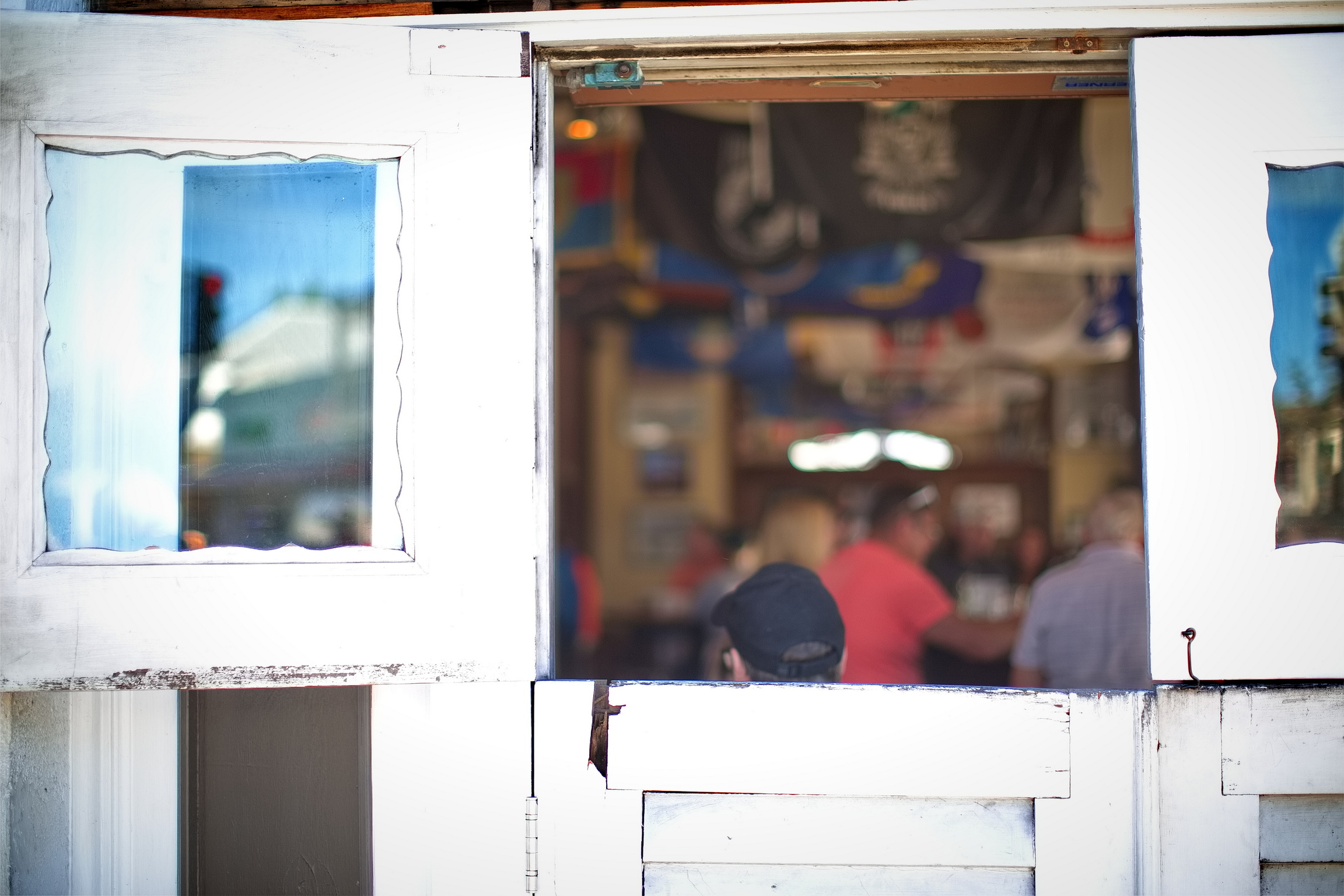
Florida의 Key West - Sloppy Joe's
Key West의 문화적인 분위기를 형성하는데 중요한 역할을 한 사람 중 하나가 Hemingway다.
Hemingway는 1931년부터 1939년까지 Key West에 살았다.
지금은 Hemingway House라 불리며 뮤지엄으로 사용되고 있는 집인데
내가 지금부터 소개하려는 Sloppy Joe's라는 술집에서 도보로 10여분 걸리는 거리에 있다.
이 시기에 그의 문체가 지금 우리가 아는 간결하고 강렬한 스타일로 완전히 자리 잡았다.
Hemingway가 Key West가 살면서 집 외에 자주 방문했던 곳이 Sloppy Joe's라는 술집이다.
현재도 헤밍웨이와 술, 라이브 음악으로 이름이 있는 곳인데,
Key West 바이브가 묻어나는 곳으로 많은 사람들이 찾고 있는 곳이다.
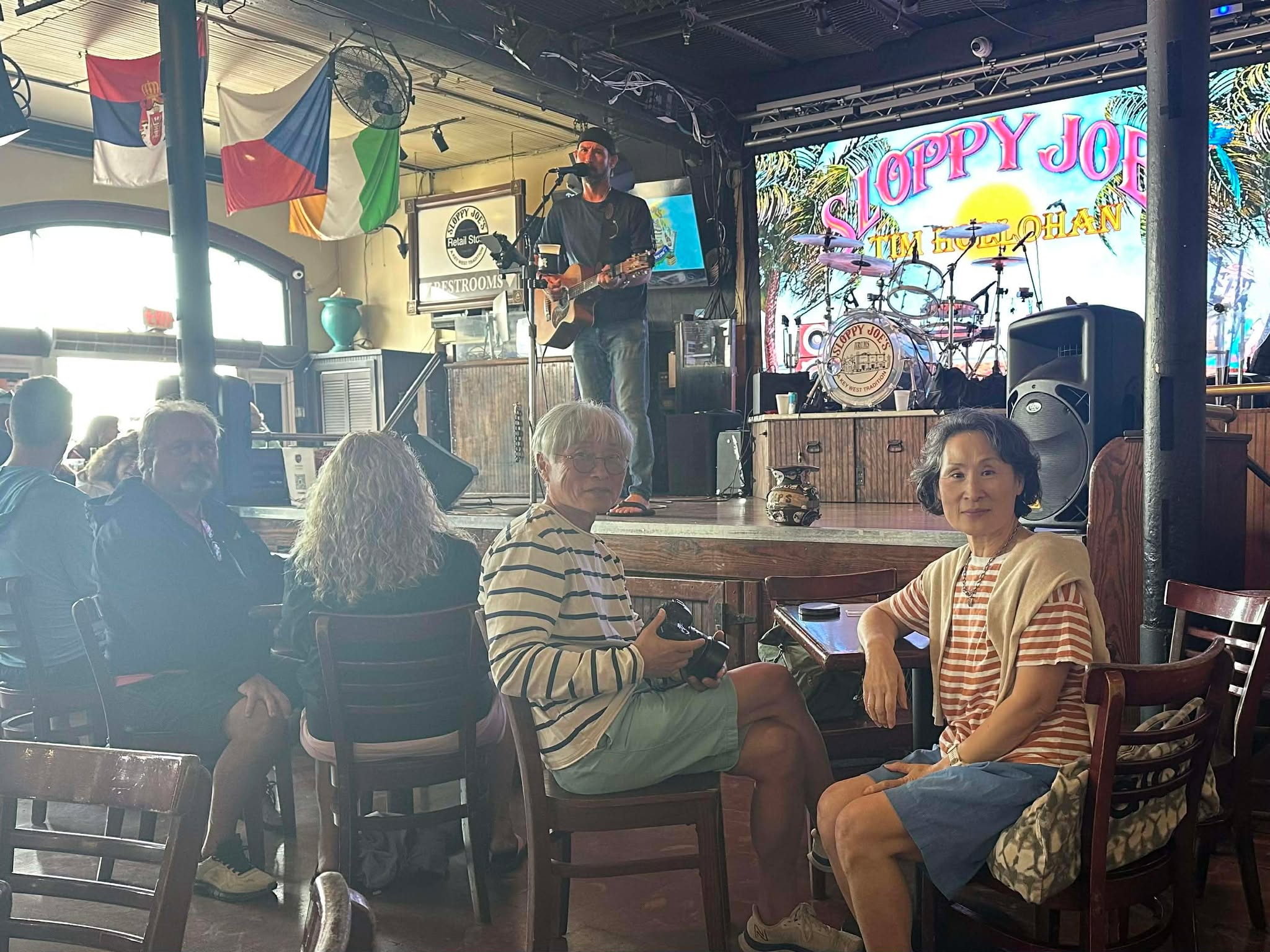
실제로 우리가 방문했을 때에도 앉을 곳을 거의 찾을 수 없을 정도로
사람들로 빼곡하게 차 있었다.
헤밍웨이는 거의 매일 Sloppy Joe'를 드나들었다고 한다.
오전에는 글을 쓰고 오후에는 이곳에서 사름들과 어울려 술을 마셨다고 하는데
아마 이런 분위기 속에서 많은 사람들을 관찰할 기회를 가졌을 것 같다.
Sloppy Joe's의 최초 주인인 Joe Russell은 헤밍웨이와 절친이며
술친구이자 Key West 문화의 핵심 인물이었다.
원래는 쿠바 하바나에서 바를 운영하다가 Key West로 옮겼다고 하는데
카리스마 있고 사교적이고, 술·사람·이야기를 좋아하던 타입의 사람으로 전해진다.
헤밍웨이와 Joe는 단순히 손님과 단골 사이가 아니라
삶의 한 부분을 공유하는 친구 사이였던 것이다.
그런데 이 술집의 이름이 Sloppy Joe's인데
Joe라는 주인 이름이 들어간 건 지극히 자연스러운 일이지만
단정치 못하고 질척스러운 뉘앙스가 풍기는 sloppy라는 말을 쓴 것에 대해서는
좀 의아한 생각이 들었다.
누구나 자기 업소라면 예쁘고 좋은 이미지가 떠오르는 상호를 쓰려는 게 인지상정이기 때문이다.
우리가 직접 가서 보니 이곳은 자유롭고 느슨하고 왁자지껄한 분위기가 그득했다.
아마도 그런 의미로 조금 반어적인 느낌이 나도록 그런 의미를 쓰지 않았을까 하는 것이 나의 생각이다.
Sloppy Joe'에서는 하루 종일 라이브 밴드가 연주되고 관광객과 현지인, 헤밍웨이를 좋아하는 사람들이 모여
시끄럽게 떠들고 맥주를 흘리며 웃고 즐기는 곳이다.
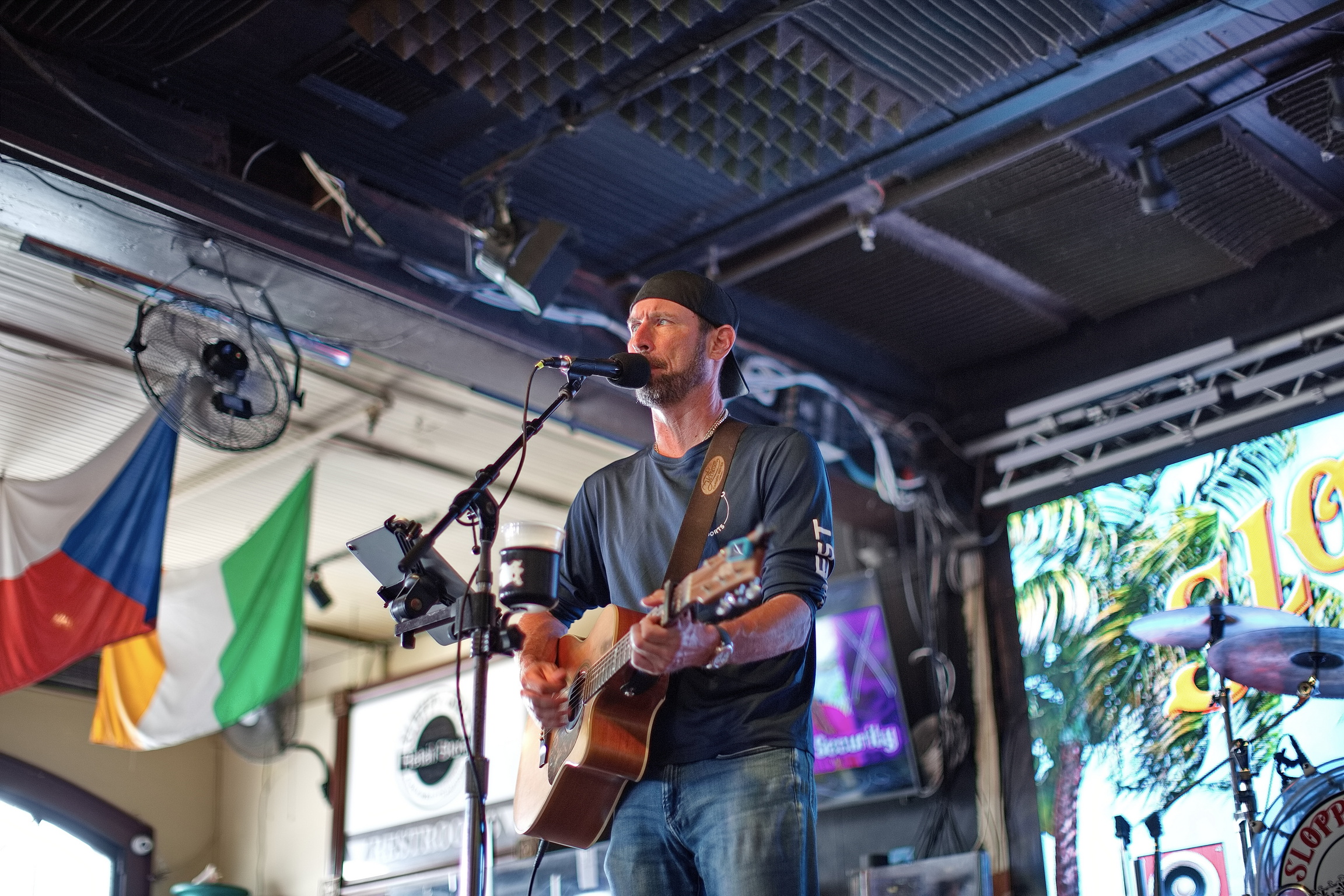
우리가 방문했을 때에도 한 청년이 기타를 치며 노래를 하고 있었는데
이곳을 방문한 중년 여성들은 노래를 따라 부르며 노래가 끝나면 열광적인 환호를 했다.
특별히 무대를 찾아가 가수와 몇 마디를 주고받으며 노래를 신청하기도 했는데
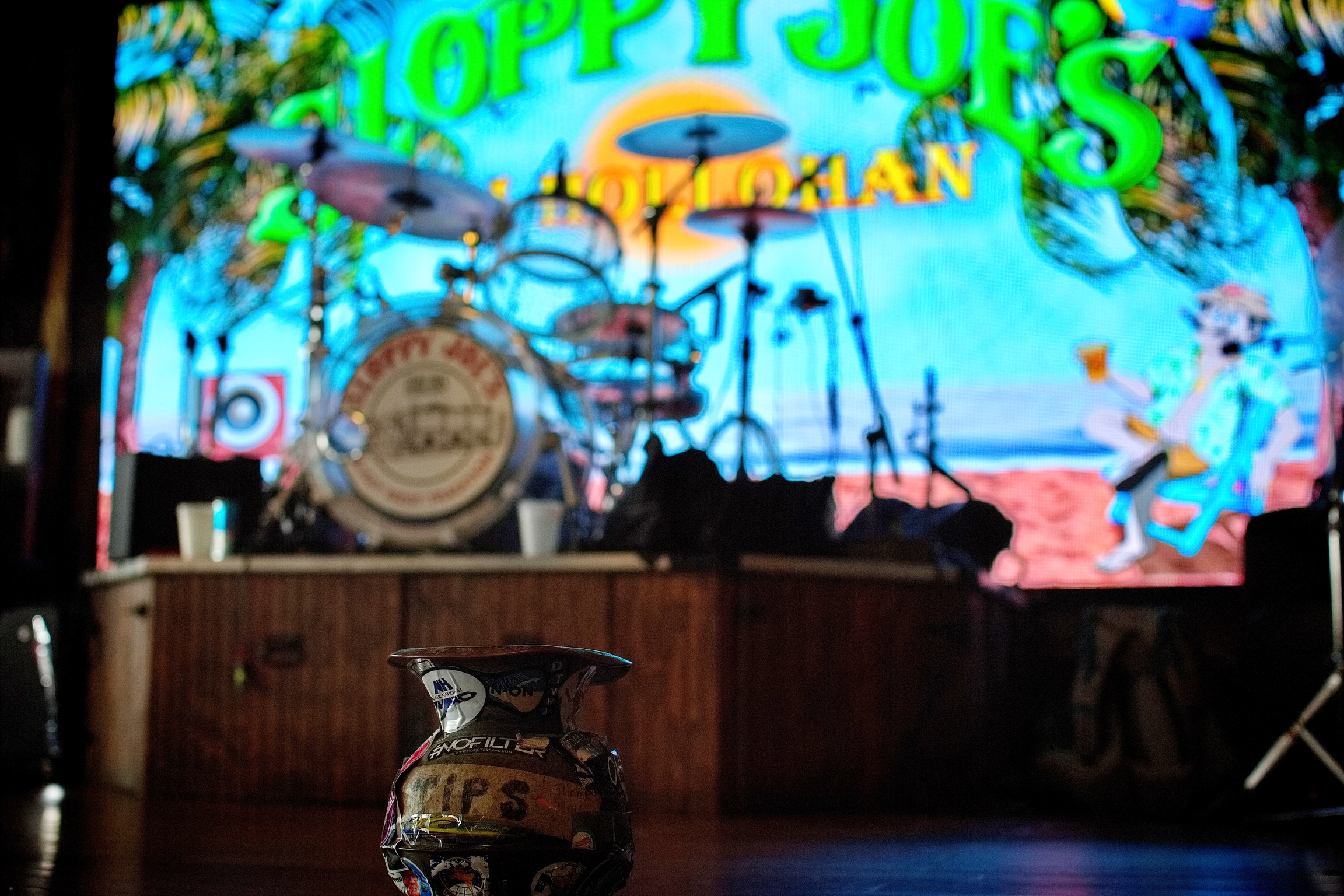
물론 그에게 팁을 주는 것을 잊지 않았다.
아내는 칵테일 한 잔과 그곳의 시그니처 메뉴인 Sloppy Joe 샌드위치를 주문했다.
이 샌드위치는 다진 소고기를 토마토 베이스 소스(케첩, 토마토소스, 식초, 설탕, 양파)에 볶아서
햄버거 번 사이에 듬뿍 넣은 것이다.
이 샌드위치가 이곳이 원조는 아닐 것이다.
이런 종류의 샌드위치는 미국 어디서나 만날 수 있기 때문이다.
이 샌드위치를 먹을 땐 우아함을 포기해야만 한다.
소스의 양이 많을 뿐 아니라 줄줄 흘러 내려서
흘리지 않고 먹을 수 있는 재주를 가진 사람은 세상없을 것 같았다.
그러니 이곳 이름에 걸맞은 이미지를 가진 음식이라는 생각이 들었다.
온갖 사람들이 가지고 온 수많은 이야기가 모이는 이곳에서
헤밍웨이는 글감을 많이 얻었을 것 같다.
Sloppy Joe's를 방문했던 나에게 그곳은 그저 시끄럽고 정신이 없었다는 인상이 남았다.
그럼에도,
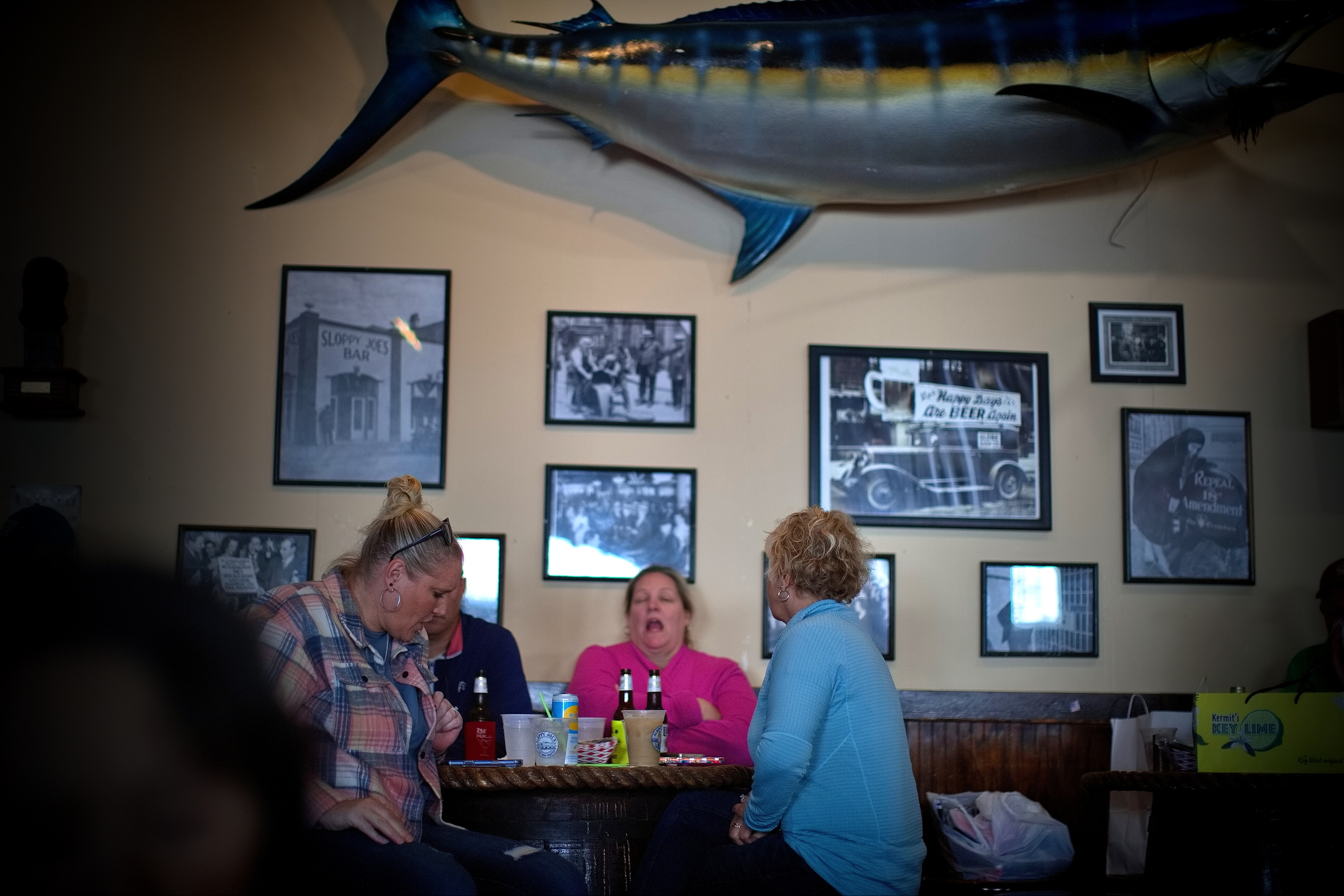
그런 sloppy 한 기억 속에서 벽에 걸렸던 marlin의 조각상이 뚜렷하게 떠오른다.
marlin은 청새치라고 번역되는데
노인과 바다에서 Santiago 노인이 밤을 새워 사투를 벌였던 생선이다.
바다에서 집으로 돌아오는 길에 상어에게 다 뜯겨 뼈만 남은 그 생선은
노인의 아름답고 고결한 투지와 자부심의 상징이다.
혼탁한(sloppy) 분위기의 술집 벽에서 marlin은 선명하게 푸른빛을 발하고 있었다.
그 marlin에서 헤밍웨이의 정신을 만났다면 나의 착각일까?





Florida’s Key West – Sloppy Joe’s
One of the people who played a crucial role in shaping the cultural atmosphere of Key West is Ernest Hemingway.
Hemingway lived in Key West from 1931 to 1939.
The house he lived in during that time is now known as the Hemingway House and is used as a museum. It is located about a ten-minute walk from the bar called Sloppy Joe’s, which I am about to introduce.
It was during this period that his writing style fully crystallized into the concise and powerful form we recognize today.
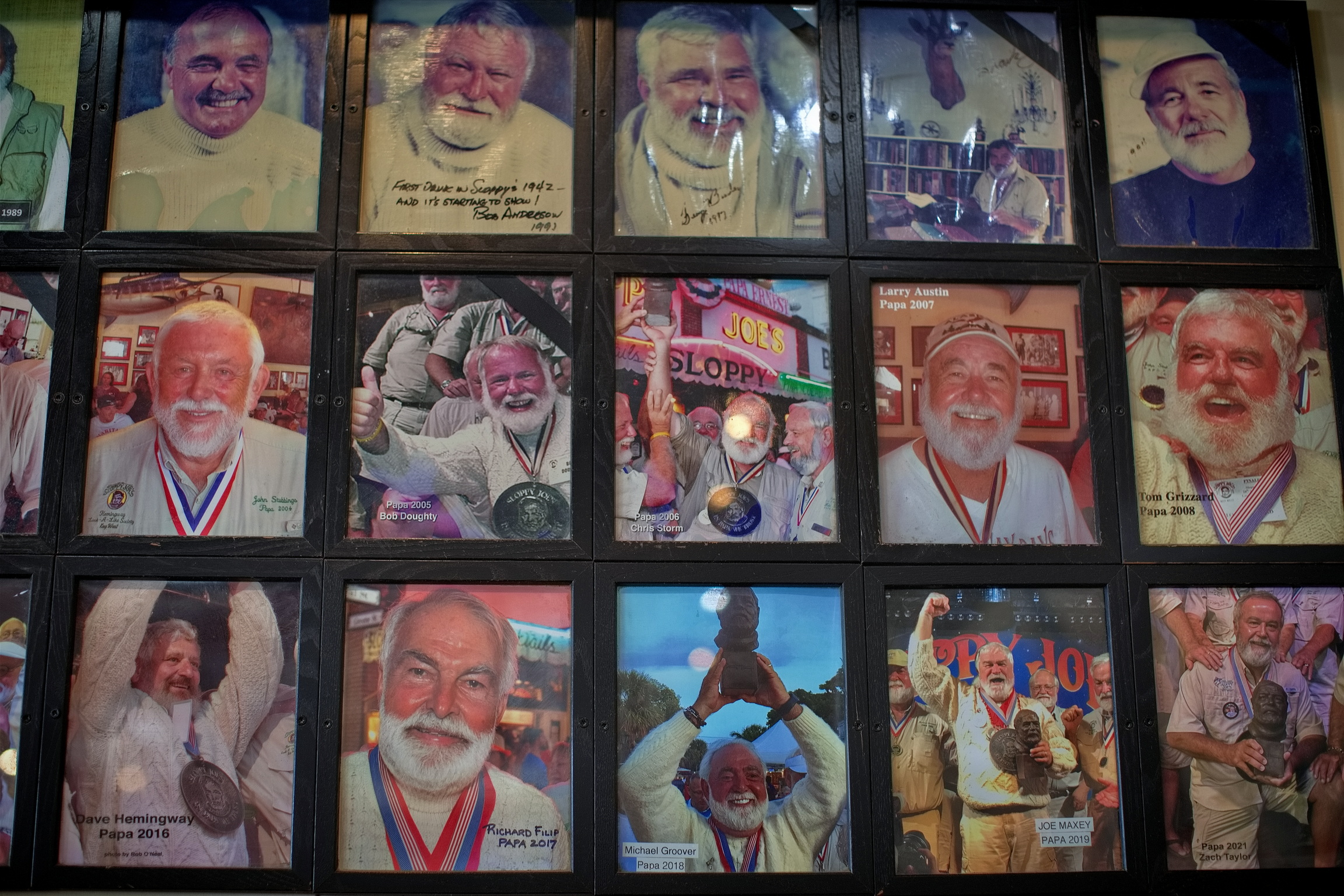
While living in Key West, the place Hemingway visited most frequently outside his home was the bar Sloppy Joe’s.
Even today, it is well known for its association with Hemingway, alcohol, and live music, and many people are drawn to it as a place steeped in the unmistakable Key West vibe.
When we visited, it was so crowded that it was almost impossible to find a seat.
It is said that Hemingway stopped by Sloppy Joe’s almost every day.
He would write in the mornings and spend his afternoons there, drinking and socializing with people.
In such an atmosphere, he must have had countless opportunities to observe people.
Joe Russell, the original owner of Sloppy Joe’s, was a close friend of Hemingway—his drinking companion and a central figure in Key West culture.
Originally, Joe ran a bar in Havana, Cuba, before moving to Key West.
He is remembered as a charismatic and sociable man who loved alcohol, people, and stories.
Hemingway and Joe were not merely a customer and a regular; they were friends who shared a part of life together.
The bar’s name, Sloppy Joe’s, naturally includes the owner’s name, Joe.
However, the choice of the word sloppy, which carries connotations of messiness and lack of neatness, initially struck me as curious.
After all, it is only natural for business owners to choose names that evoke pleasant and polished images.
But after visiting the place myself, I found it filled with a free, loose, and boisterous atmosphere.
Perhaps the name was chosen in an ironic sense to reflect exactly that spirit—or so I thought.
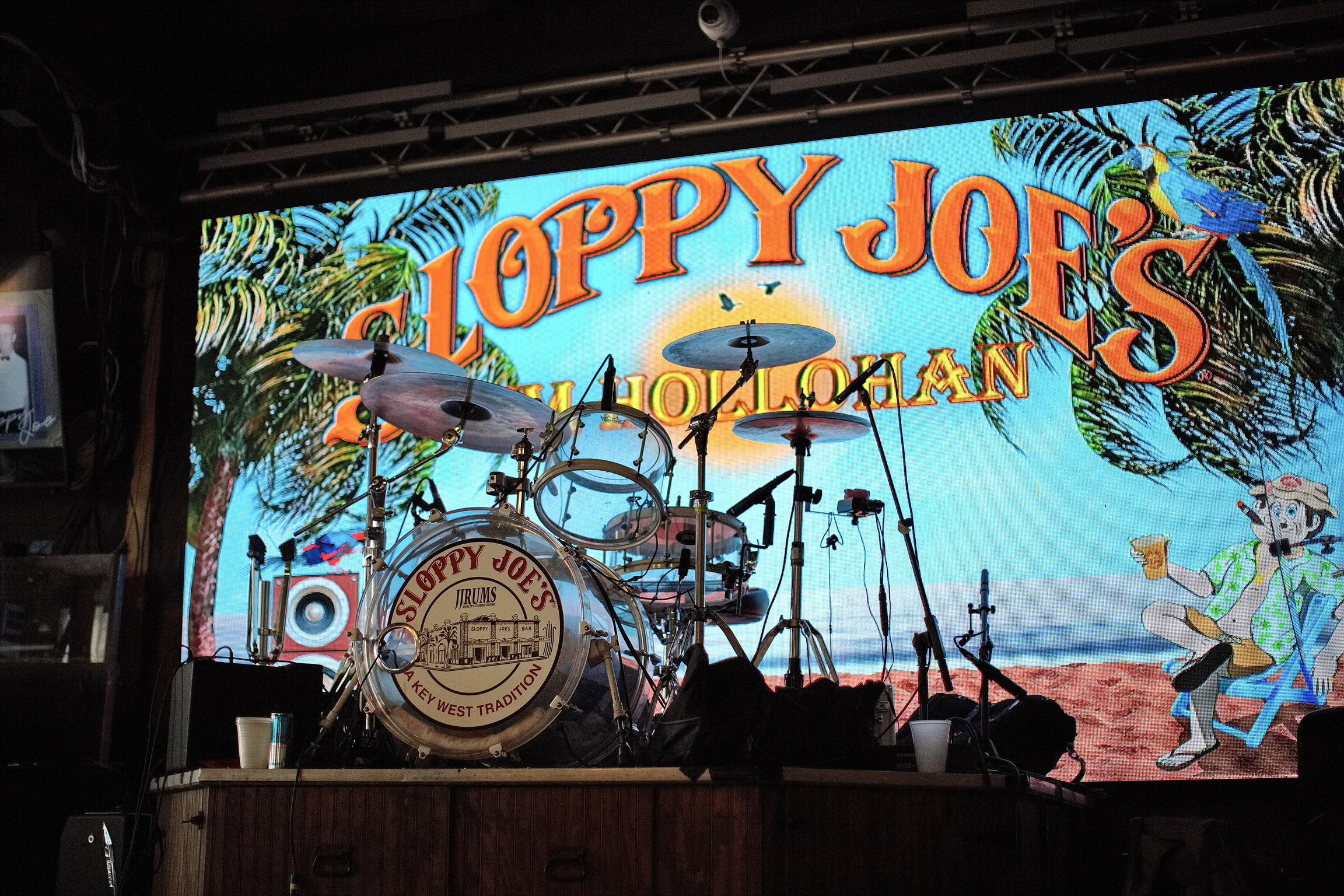
At Sloppy Joe’s, live bands play all day long, and tourists, locals, and Hemingway fans gather to shout, laugh, spill beer, and enjoy themselves.
When we visited, a young man was playing the guitar and singing.
Middle-aged women in the crowd sang along enthusiastically, and when the song ended, they erupted into loud cheers.
Some even approached the stage to exchange a few words with the singer and request songs—of course, not forgetting to tip him.
My wife ordered a cocktail and the bar’s signature dish, the Sloppy Joe sandwich.
This sandwich consists of ground beef cooked in a tomato-based sauce—ketchup, tomato sauce, vinegar, sugar, and onions—piled generously between hamburger buns.
This bar is probably not the original birthplace of the sandwich, as versions of it can be found all across the United States.
Eating a Sloppy Joe sandwich requires abandoning all elegance.
Not only is there an excessive amount of sauce, but it also drips relentlessly; it seems impossible for anyone to eat it without making a mess.
In that sense, it felt like a dish perfectly suited to the name of the place.
In a space where countless stories brought in by all kinds of people come together,
it seems likely that Hemingway drew abundant inspiration for his writing.
For me, having visited Sloppy Joe’s, what lingered most strongly was the impression of noise and chaos.
And yet,
within that sloppy memory, the marlin sculpture hanging on the wall stands out vividly in my mind.
A marlin—translated into Korean as cheongsaeji (blue marlin)—is the fish that the old man Santiago battles through the night in The Old Man and the Sea.
Stripped to bare bones by sharks on the way home from the sea, that fish becomes a symbol of the old man’s beautiful and noble fighting spirit and pride.
On the wall of a bar steeped in a murky, sloppy atmosphere, the marlin shone with a clear blue glow.
Would it be my imagination to say that I encountered Hemingway’s spirit in that marlin?
'여행 이야기 > 미국 여기저기' 카테고리의 다른 글
| Miami의 Wynwood Walls (0) | 2026.02.06 |
|---|---|
| Florida의 Key West - Hemingway 집과 고양이 (3) | 2026.02.04 |
| Florida의 Key West - 거리, 그리고 닭 (0) | 2026.02.03 |
| Florida의 Key West-미국의 최남단 (1) | 2026.02.02 |
| Everglades National Park의 Sharks Valley (0) | 2026.01.30 |


