.
Morning Walk in Piermont
After arriving at my father-in-law’s house late last night, I stayed over and woke up in the morning to a new day.
The moment I opened the door to the veranda, the freshness of the air was beyond words.
Almost instinctively, I thought of the calendar.
Today was the first day of May.
There is something almost magical about the word “May.”
Just hearing it makes the world feel greener, more beautiful, more alive.
Perhaps that is why people call May the queen of seasons.
At least on this morning, the phrase felt no exaggeration at all.
After finishing my morning prayer, I headed straight to Tallman Park.
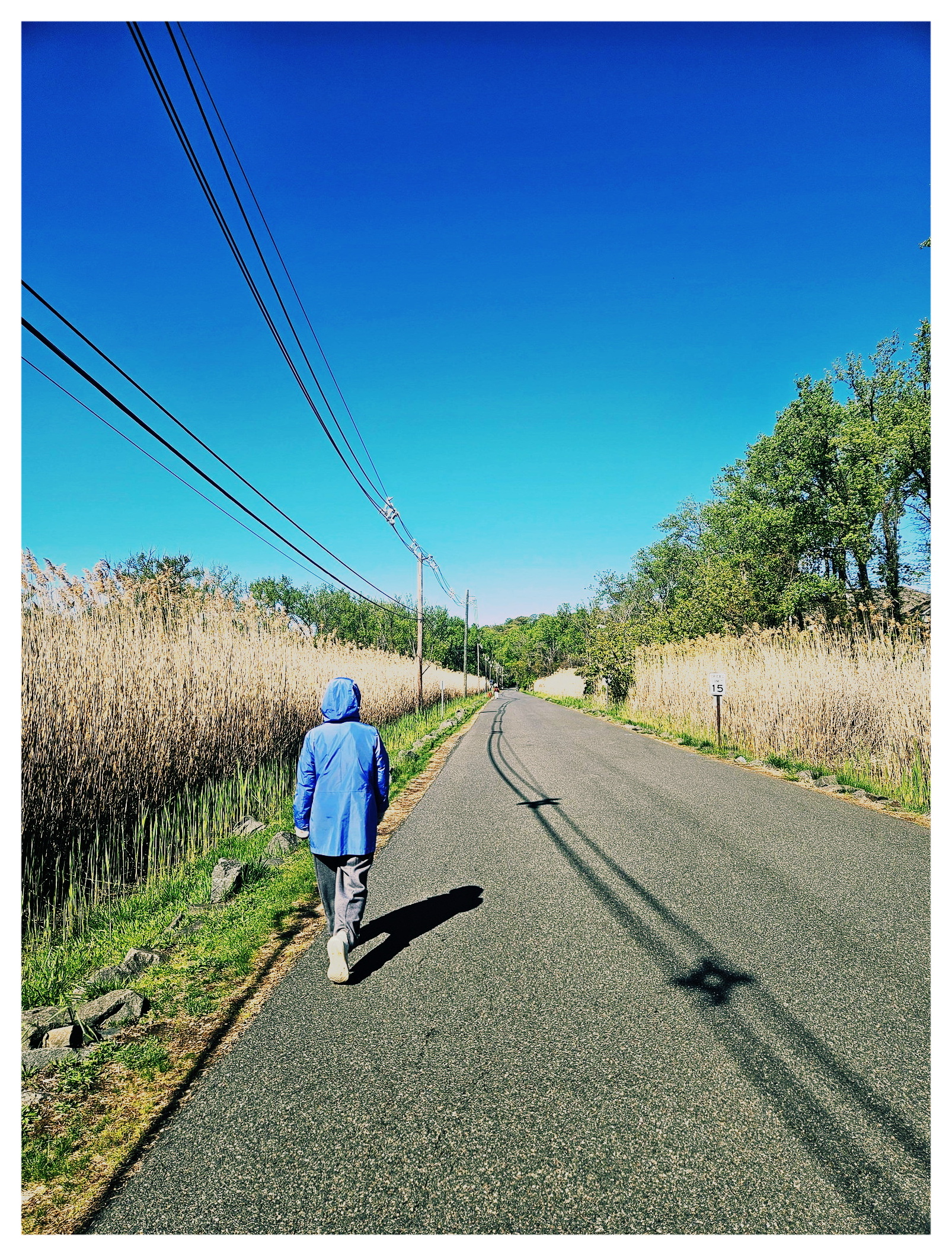
Starting from the small parking lot along Route 9W, walking all the way to the end of the Pier in Piermont makes for a round trip of just over ten kilometers.
In truth, I had wanted to run those ten kilometers today.
The air was still slightly cool, yet the green within the forest felt deeper and more vibrant than in any other season—fresh, almost luminous with life.
1.Tallman State Park
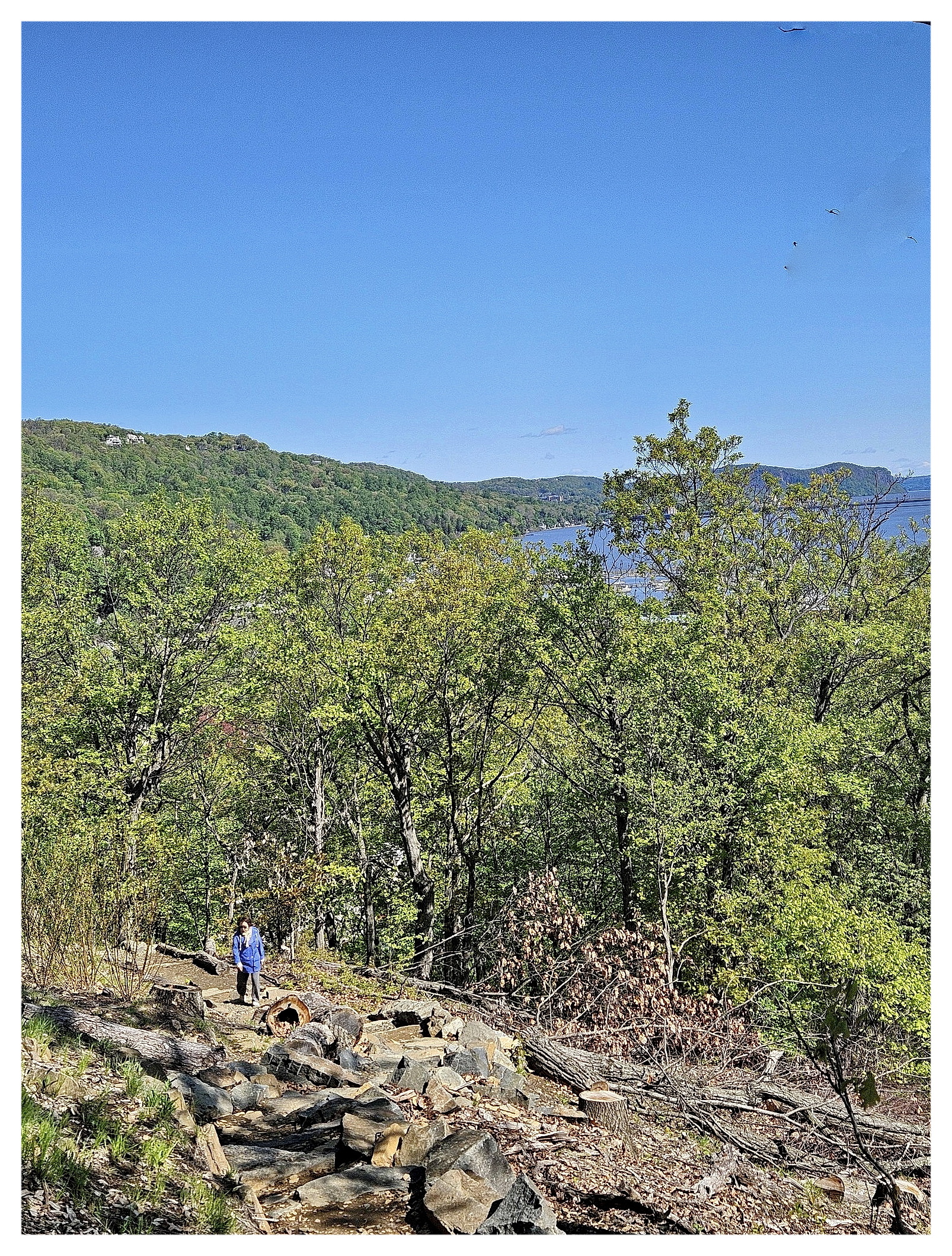
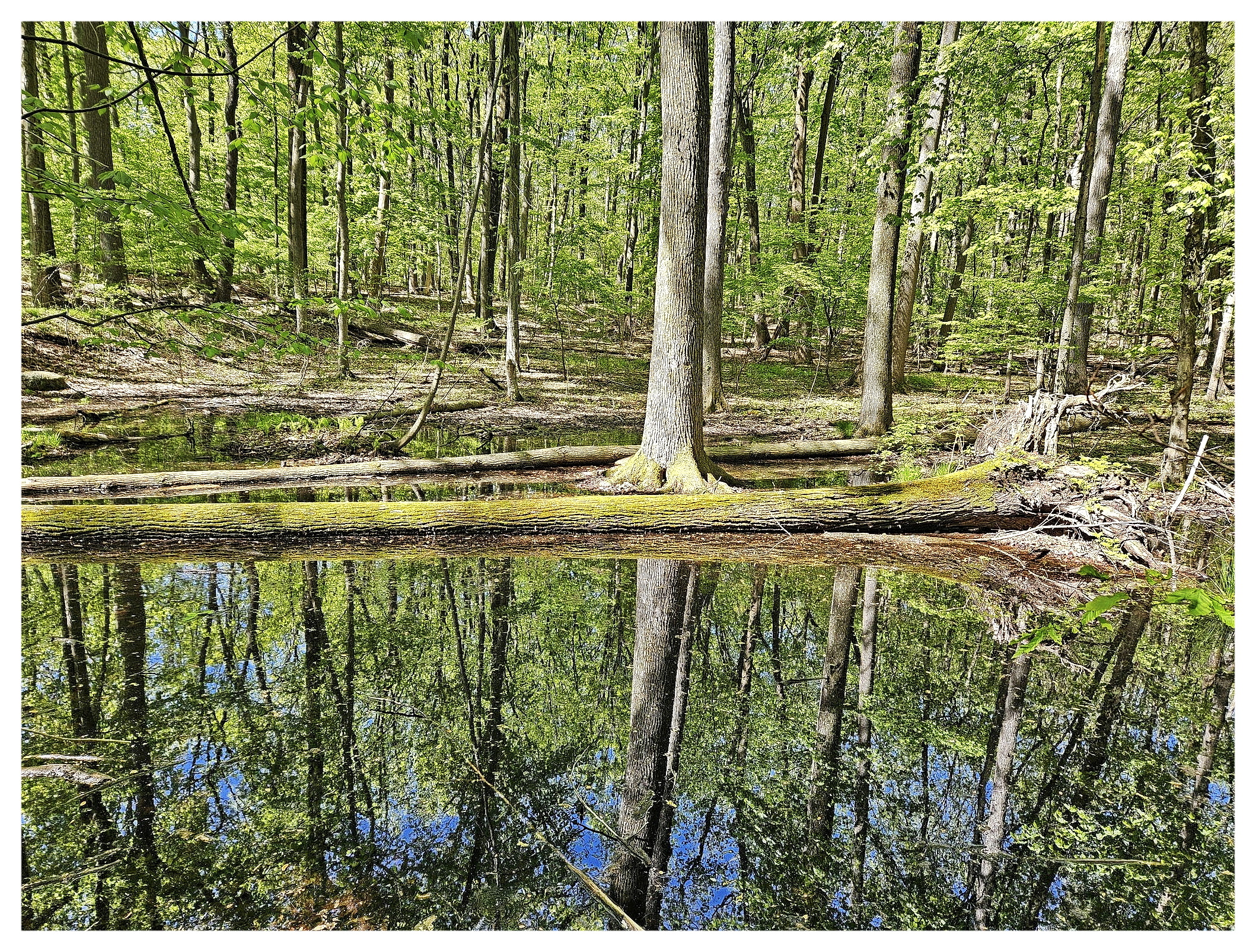
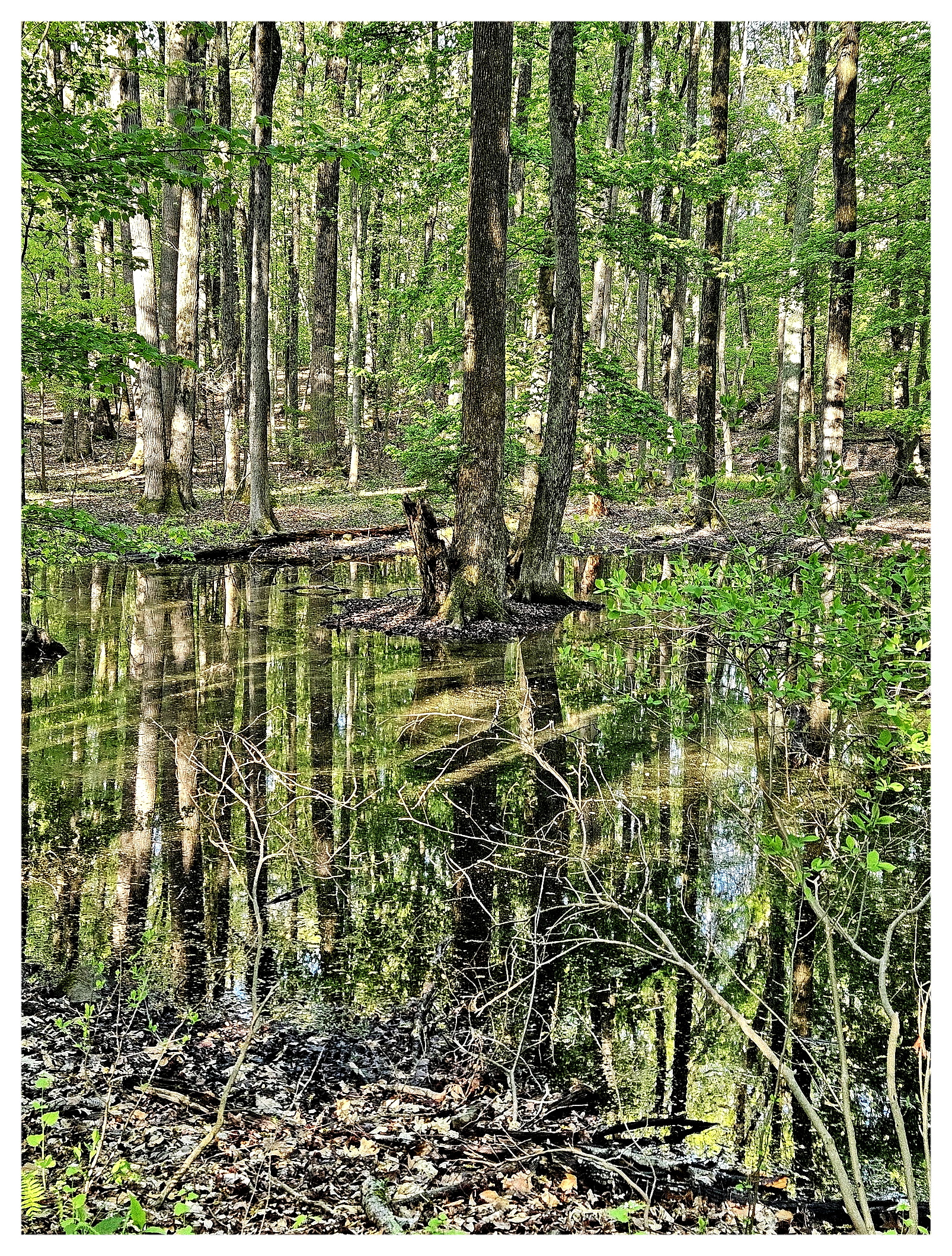
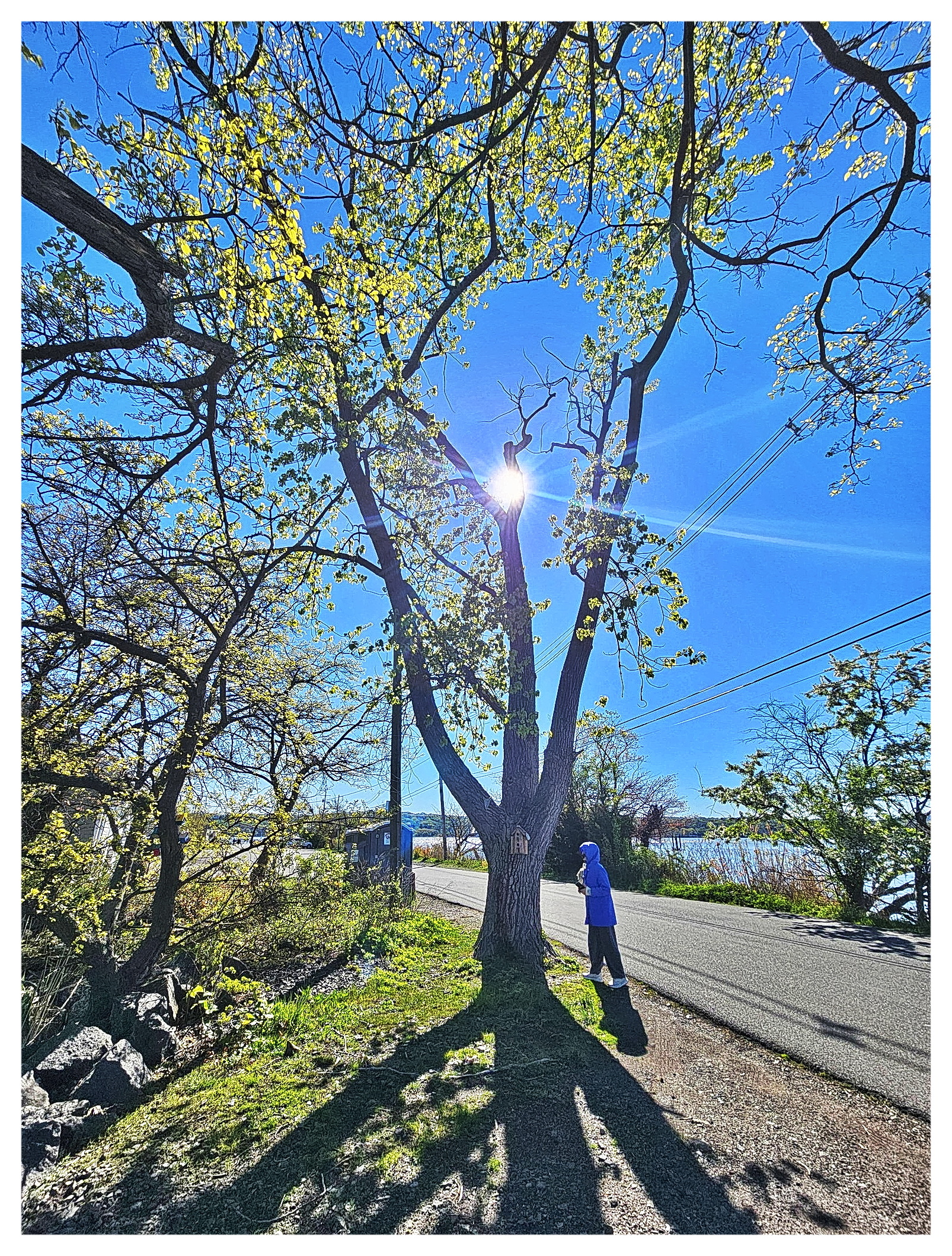
The forest trail was almost entirely wrapped in the shadow of trees.
Only a few days earlier, the branches had been bare and thin, but now they had suddenly burst into leaves, quickly closing off the sky above.
The sun was certainly shining, yet the forest lay beneath a gentle, muted darkness. Within it, only those leaves touched by sunlight shimmered with an unusually vivid green.
As if blue life itself had taken root in the sky, the earth too seemed filled with an unmistakable vitality.
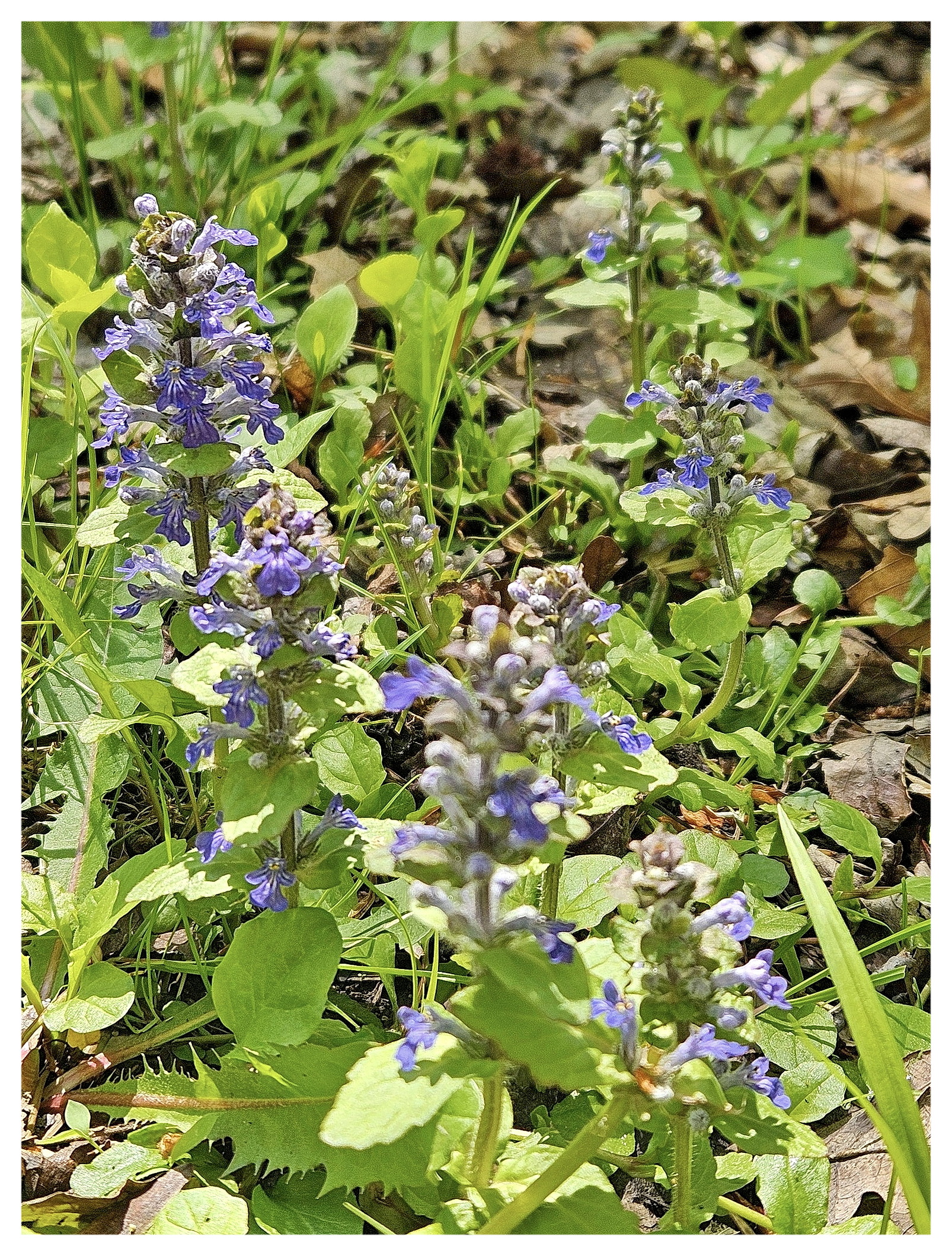
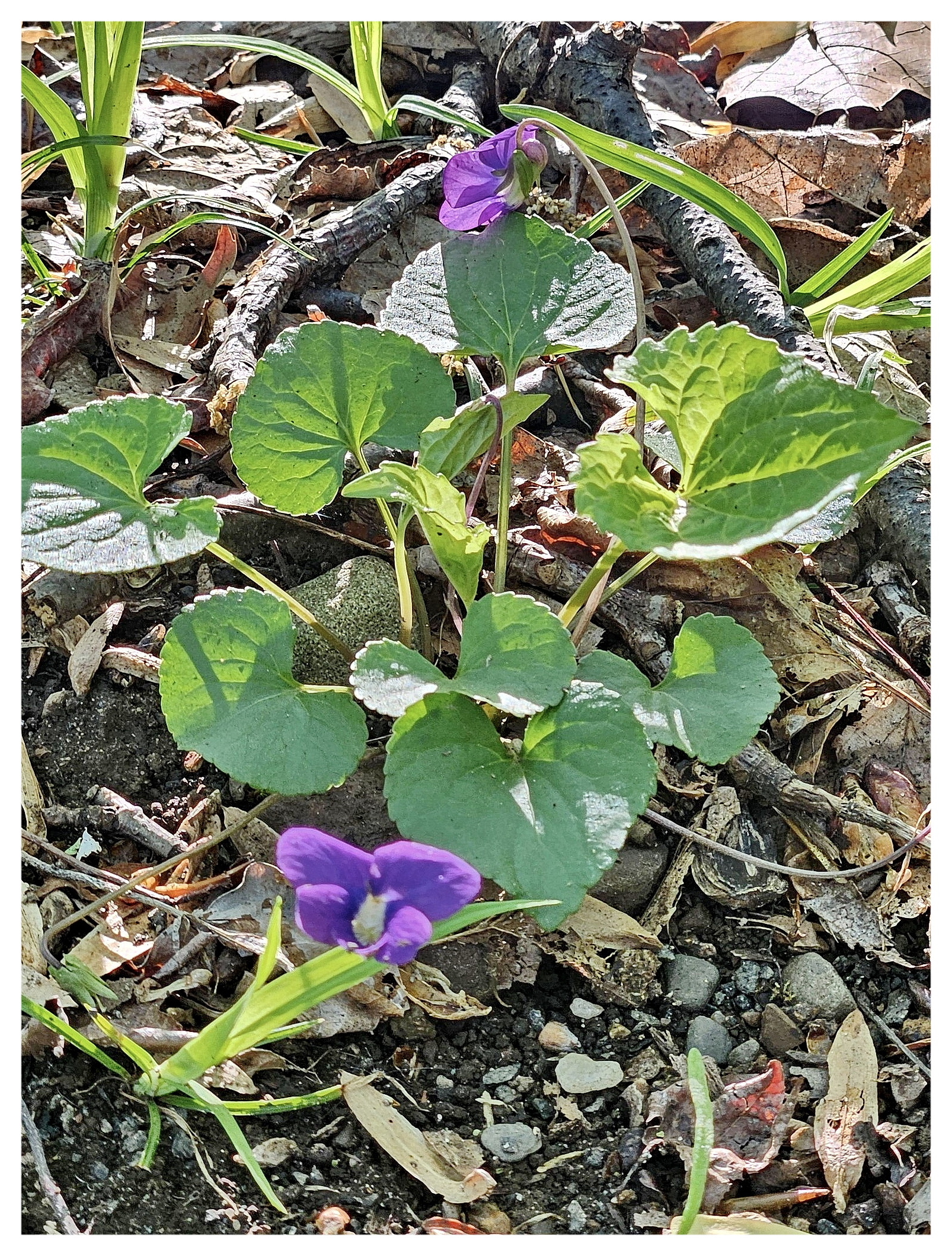
Along both sides of the path, small wildflowers were beginning to show their faces. Dandelions and their drifting seeds, star-shaped white blossoms, and unfamiliar purple flowers whose names I did not know.
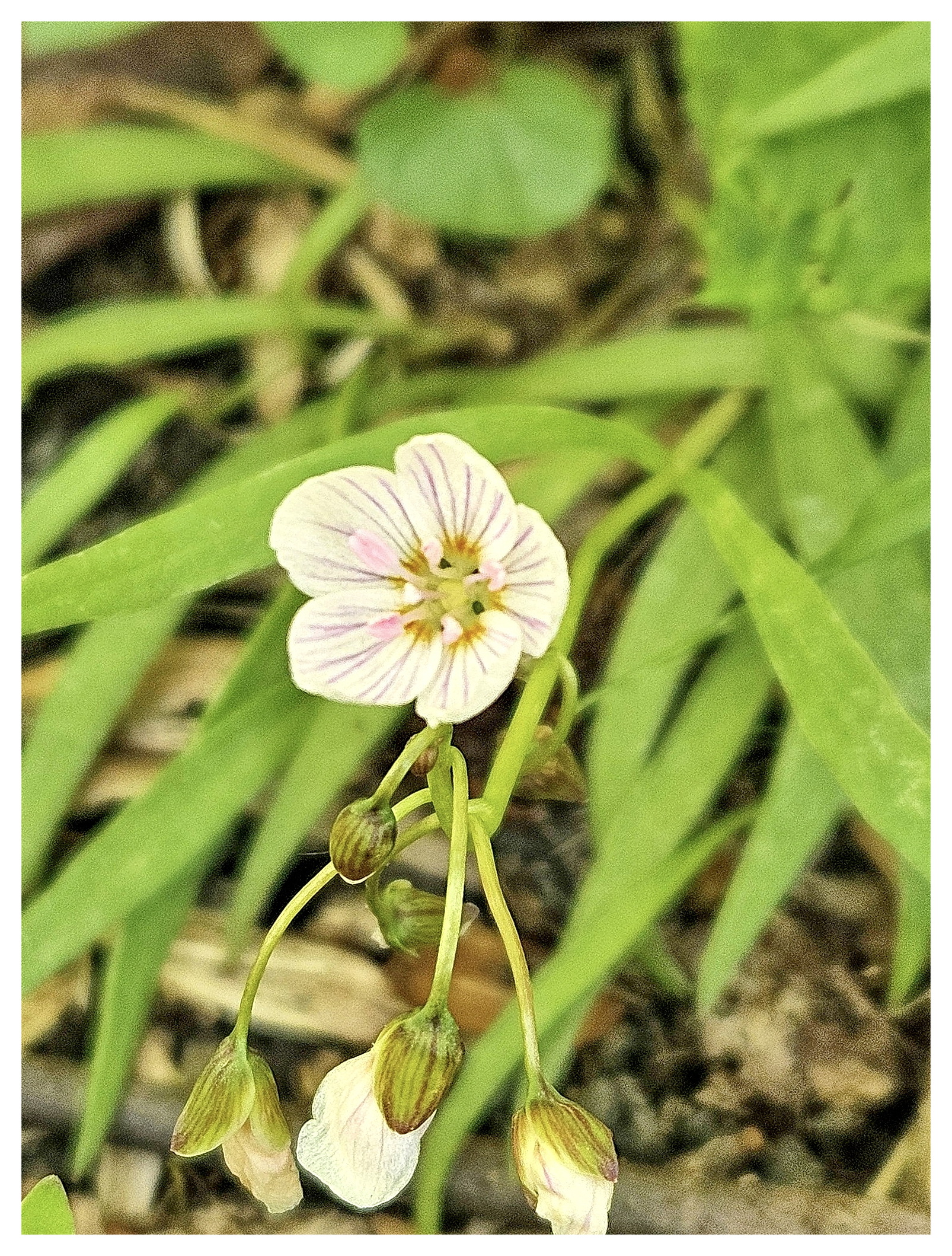
Among them, one in particular caught my attention—a tiny white flower, no larger than half the first joint of my little finger. When I asked an AI about its name, it was identified as Spring Beauty.
A truly fitting name.
For a moment, I felt the urge to give it a name in Chinese characters: chun (春), spring; mi (美), beauty—thus, “Chun-mi.”
“Chun-mi…”
I whispered it softly, but somehow it did not feel right. This flower belongs more naturally to the name Spring Beauty as it is.
There was another plant that stood out in the forest. It spread widely across the ground, growing in dense abundance: Garlic Mustard. In Korean, maneul-naeng-i.
It bears delicate white flowers, yet in North America it is known as an aggressive invasive species—one that displaces native plants and simplifies forest ecosystems. Because of this, campaigns are often carried out to remove it.
Knowing this, I found myself disliking those white blossoms even as I looked at them.
Before a landscape where beauty and harm share the same face,
I suddenly realize something:
Perhaps I have been living while already deciding, in advance, how many things should be seen.
2. Bunbury Coffee Shop
As we left Tallman Park and entered the village of Piermont, my wife casually asked,
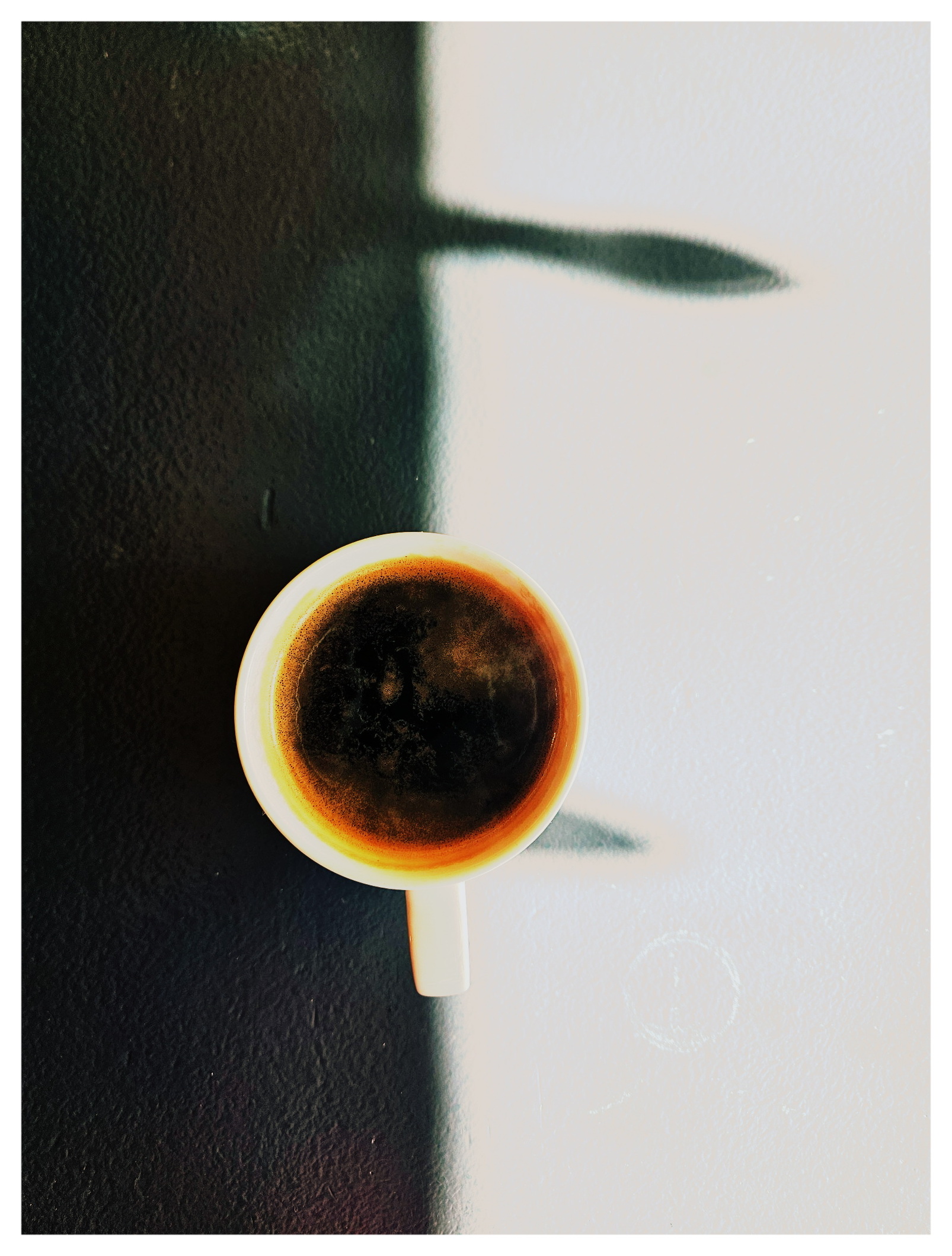
“Shall we have a cup of coffee?”
I was already expecting it. In Piermont, there is a place she never seems able to pass by without stopping—her own kind of “watermill,” so to speak.
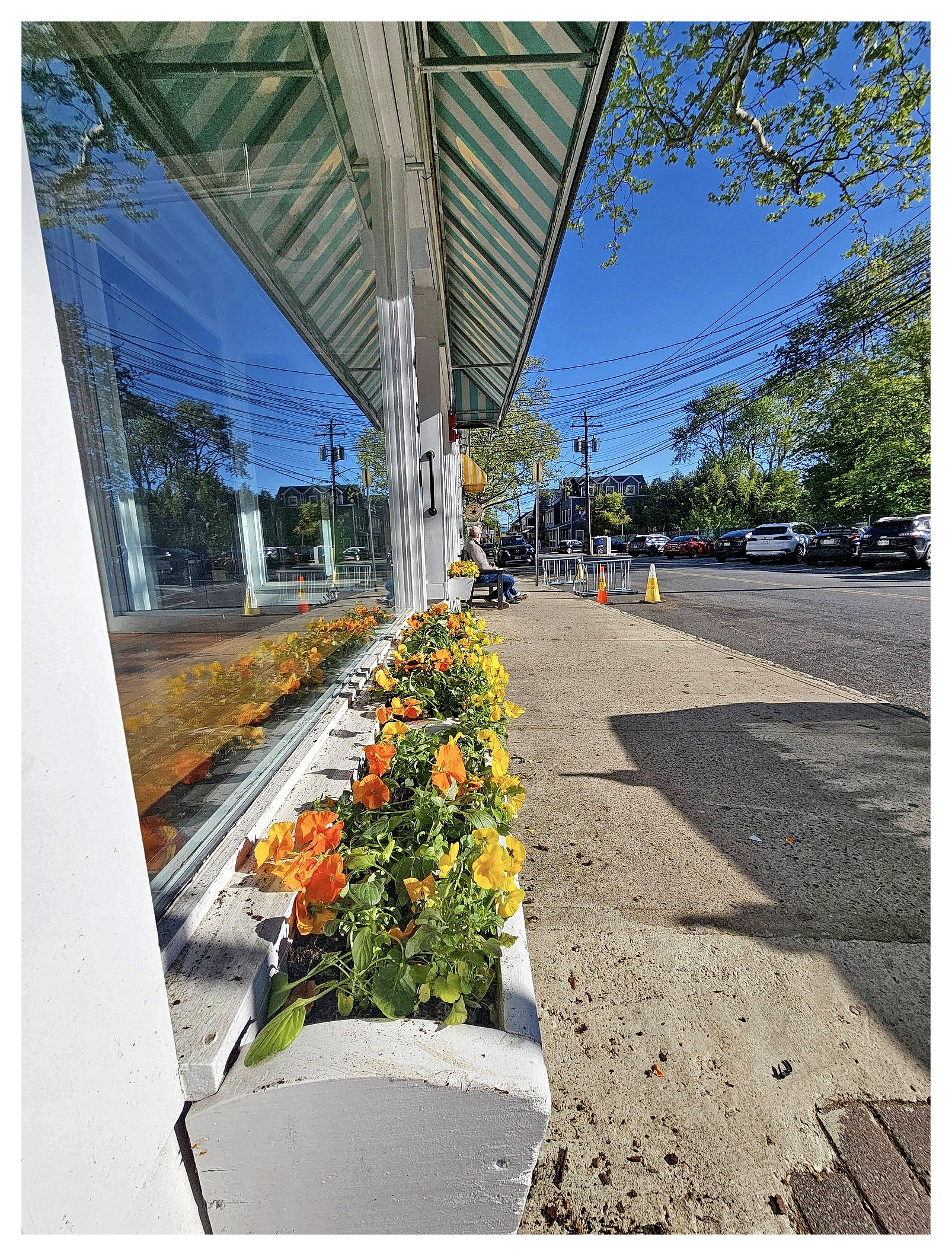
Its name, too, has a curious charm: Bunbury Coffee Shop.
Like sparrows returning without fail to a familiar mill, we always find ourselves pausing in front of this place whenever we come to Piermont.
But today was different. The door of that “mill” that serves coffee was firmly shut.
Peering through the glass, I could see the lights were on, and inside, there were five or six customers sitting as usual.
We tried the handle several times, but the door would not budge.
Just then, one of the people inside noticed our awkward situation and quickly came to open it for us.
In her arms, she was holding a little boy who looked to be about the age of our grandson, Desi, clinging tightly to her.
With an apologetic expression, she said that it was probably her son who had locked the door.
We waved our hands and assured her it was nothing, not to worry at all.
Many boys have that kind of playful mischief—I know that well. (Come to think of it, I may well have been one of them myself.)
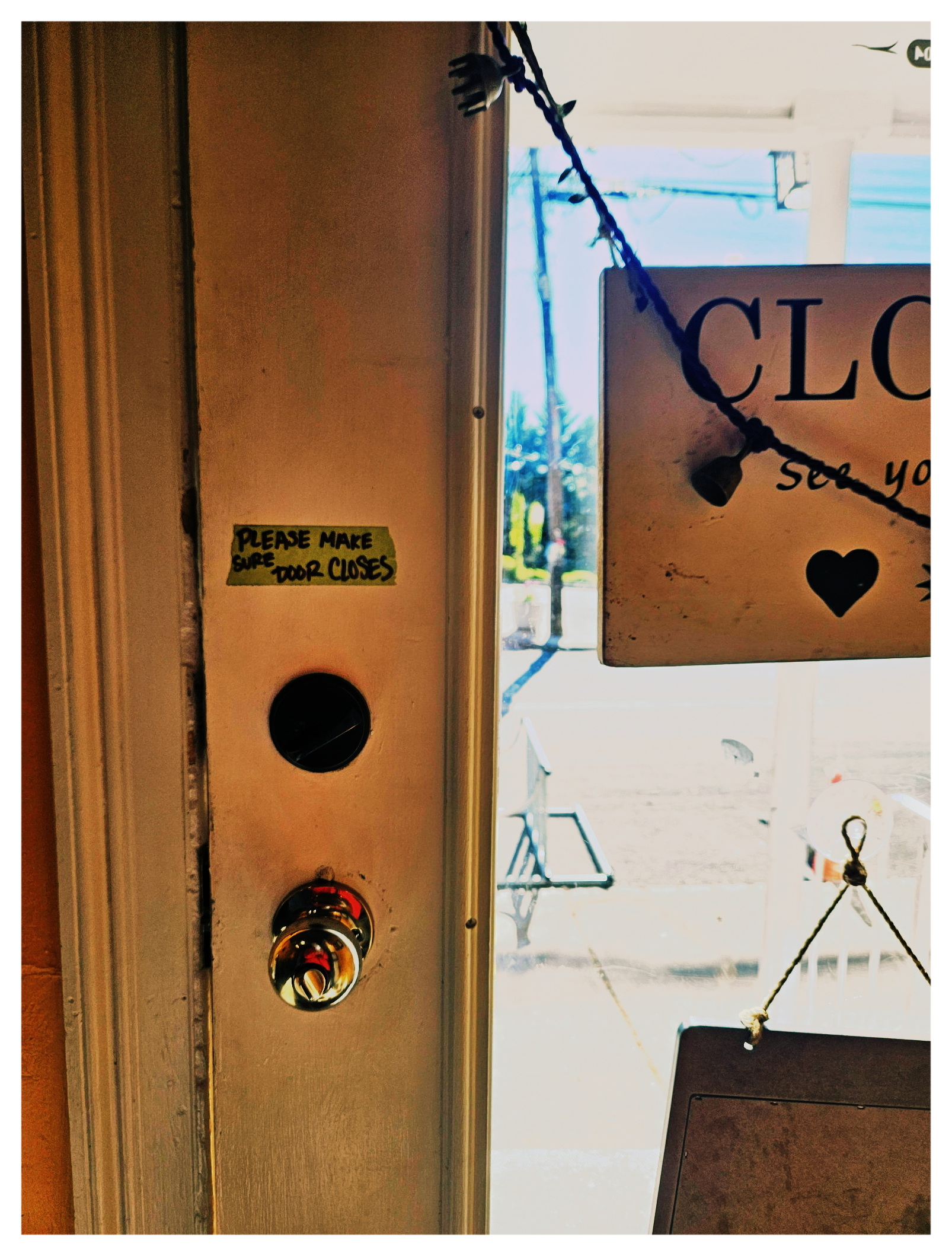
Later, as we were leaving the café, I noticed a small sign on the door:
“Please make sure the door is properly closed.”
The boy had not simply closed the door—he had truly sealed it shut, with full conviction.
And suddenly, a line from William Wordsworth came to mind:
“The child is the father of the man.”
Perhaps that child was, in his own way, faithfully and wholeheartedly living out that sentence more seriously than anyone else.
And in that little “mill,”
the sparrows still come and go—just as they always have.
3. Piermont
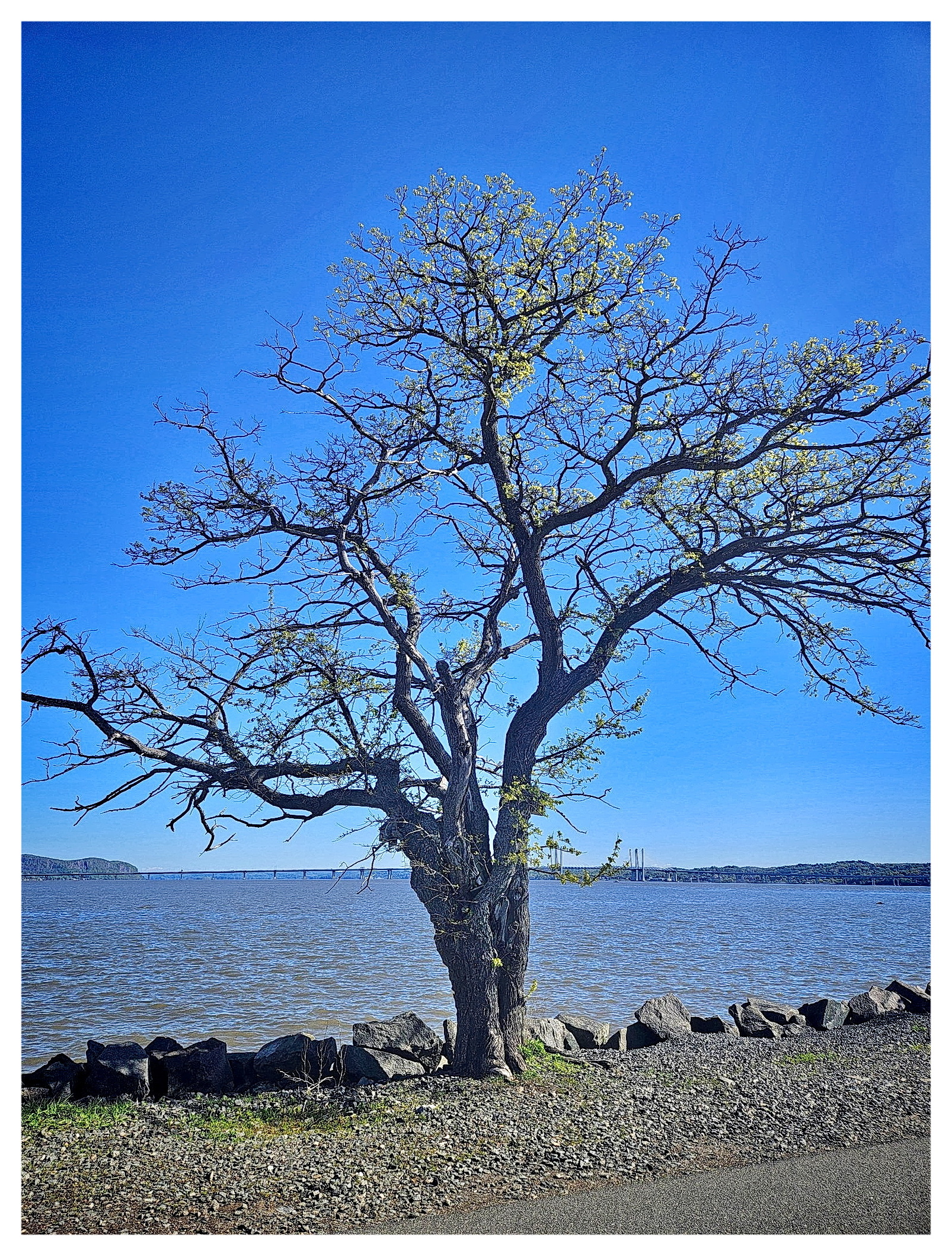
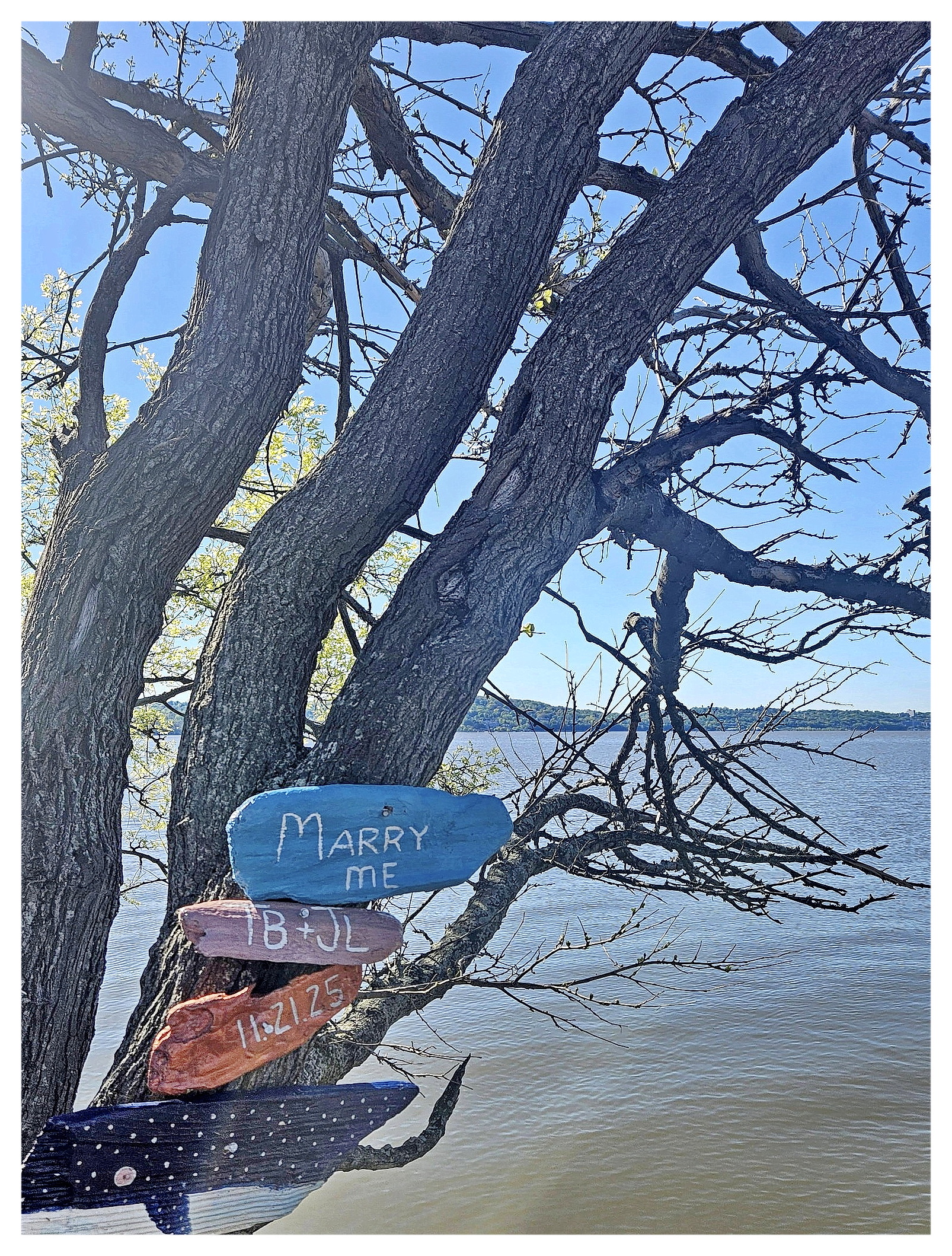
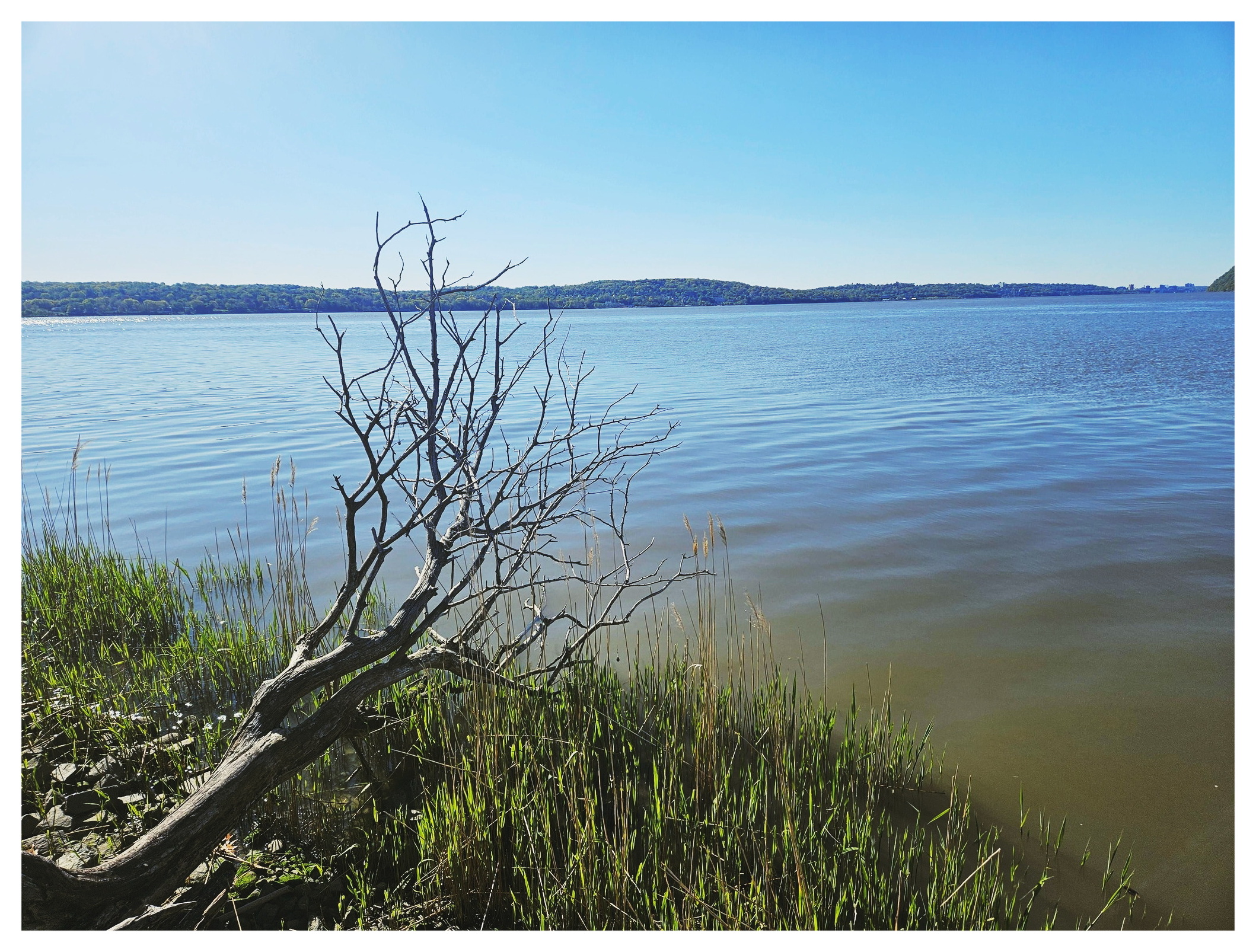
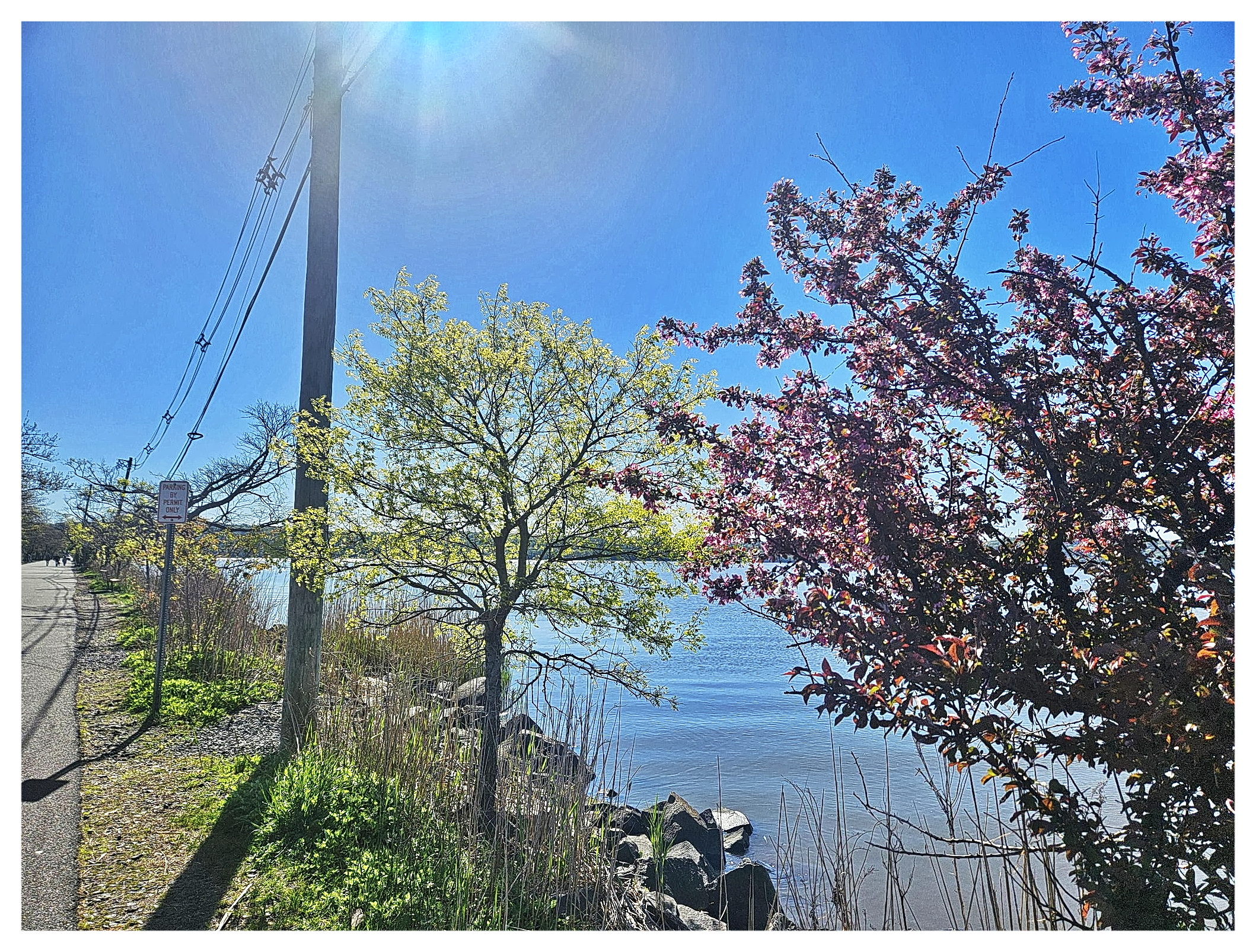
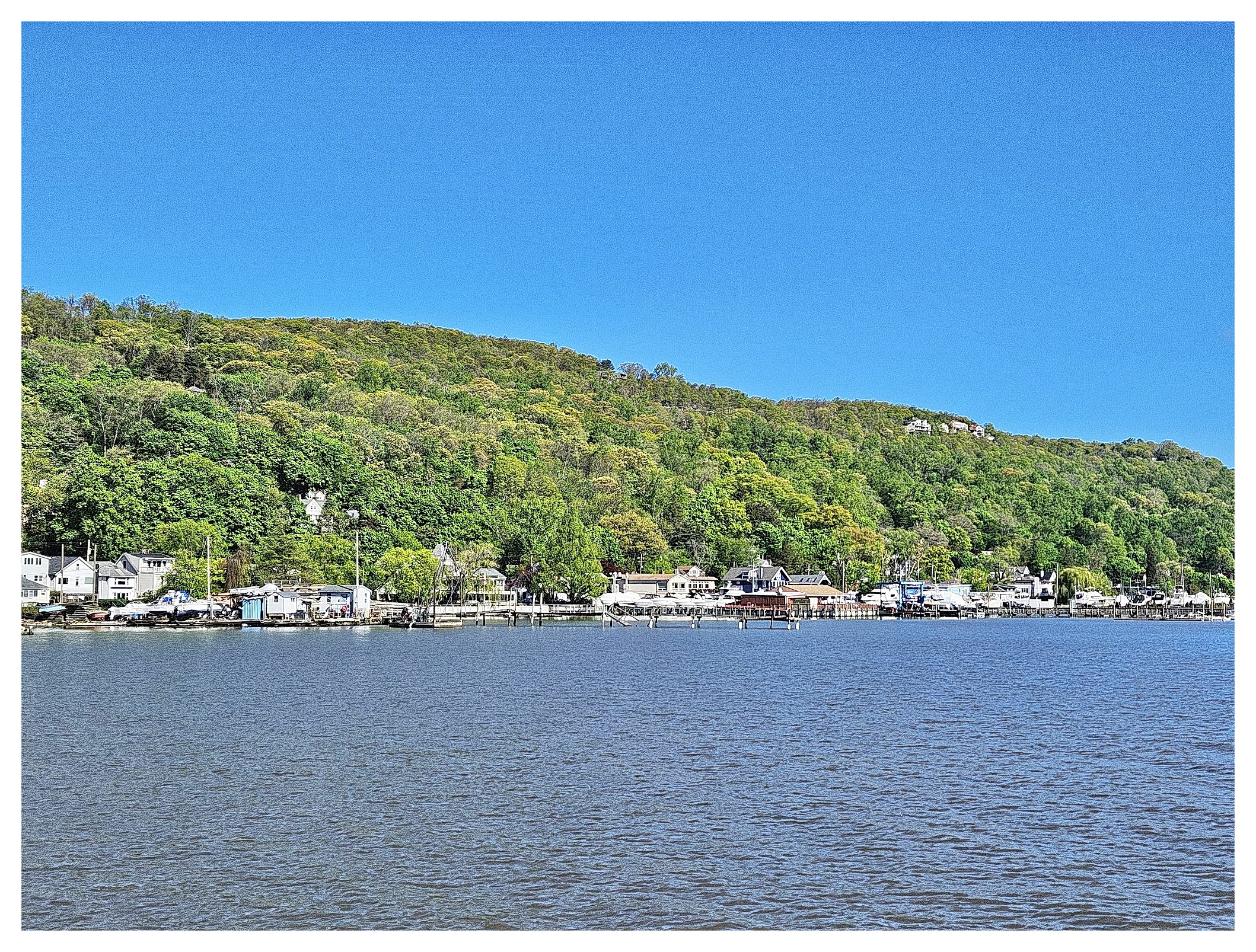
Spring had also descended upon the pier.
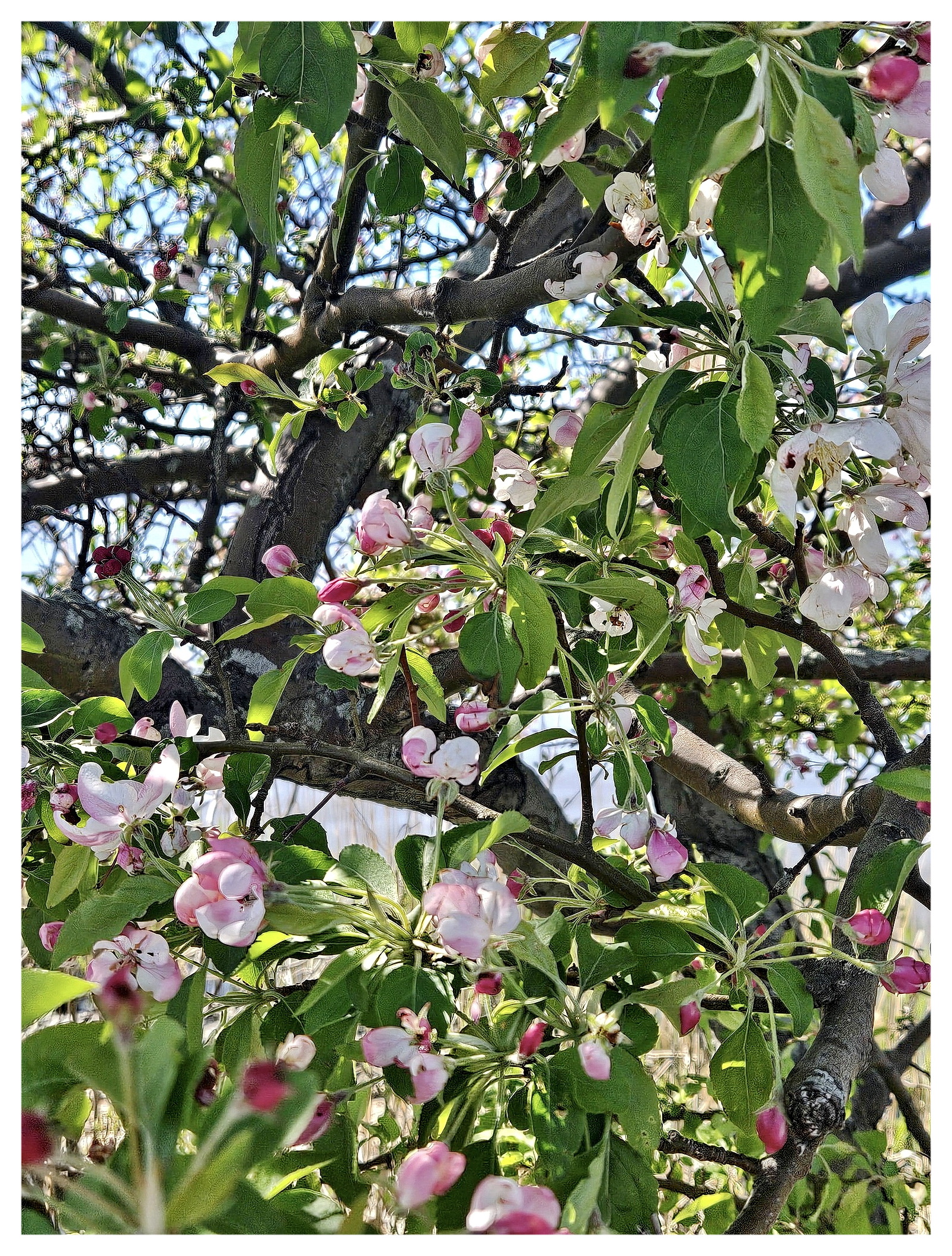
Cherry blossoms and pear blossoms lingered in a state of transition—some falling, some still in bloom—while apple blossoms had only just begun to emerge. The buds, on the verge of opening, looked especially poised and delicate.
The air was filled with countless birdsong. High and clear notes, low and gentle tones—different timbres and ranges overlapped, weaving together an invisible chorus suspended above the landscape.
On one side of the pier, an elderly fisherman slowly cast his line. There was no haste, no desire—only a quiet surrender of himself to the current of the water.
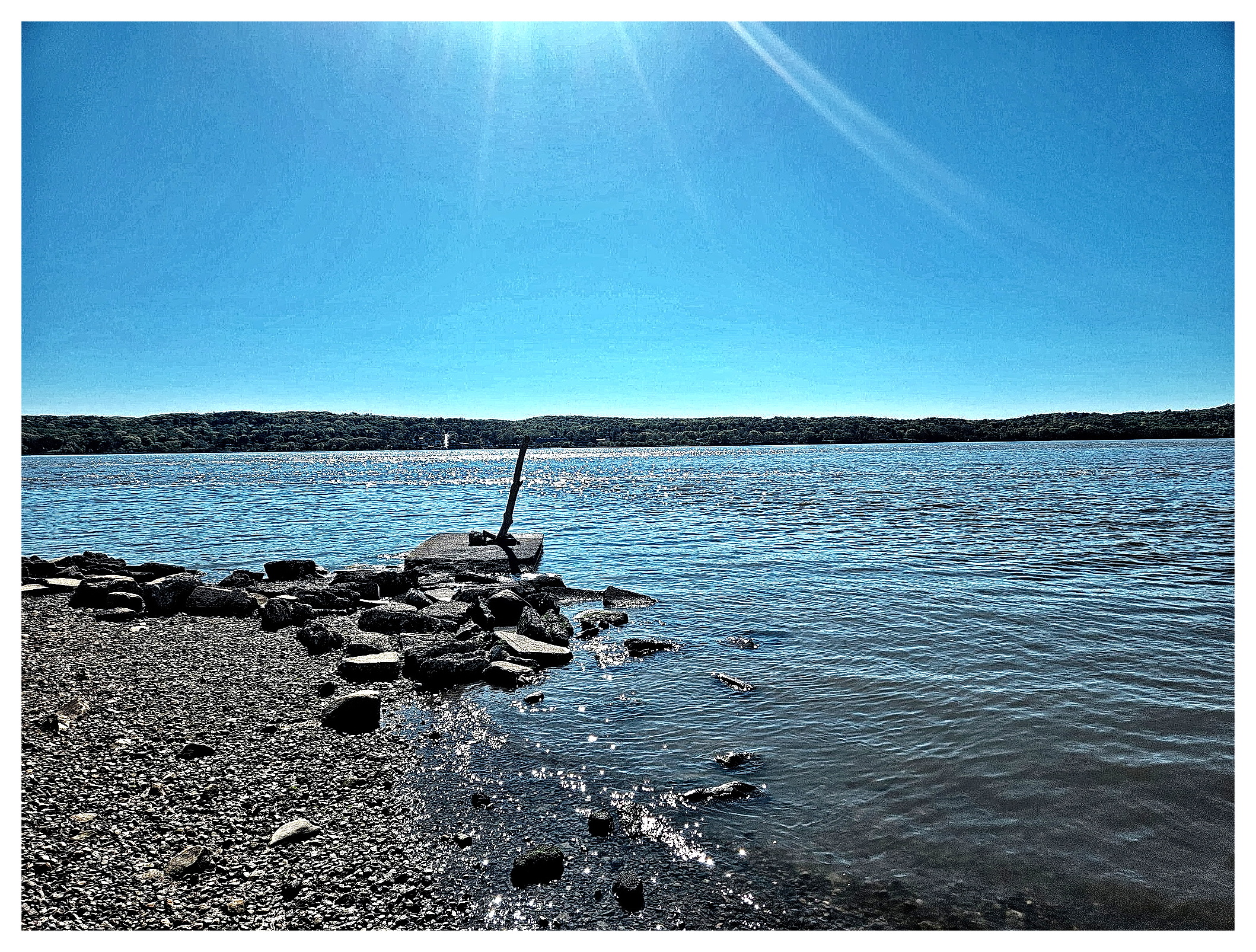
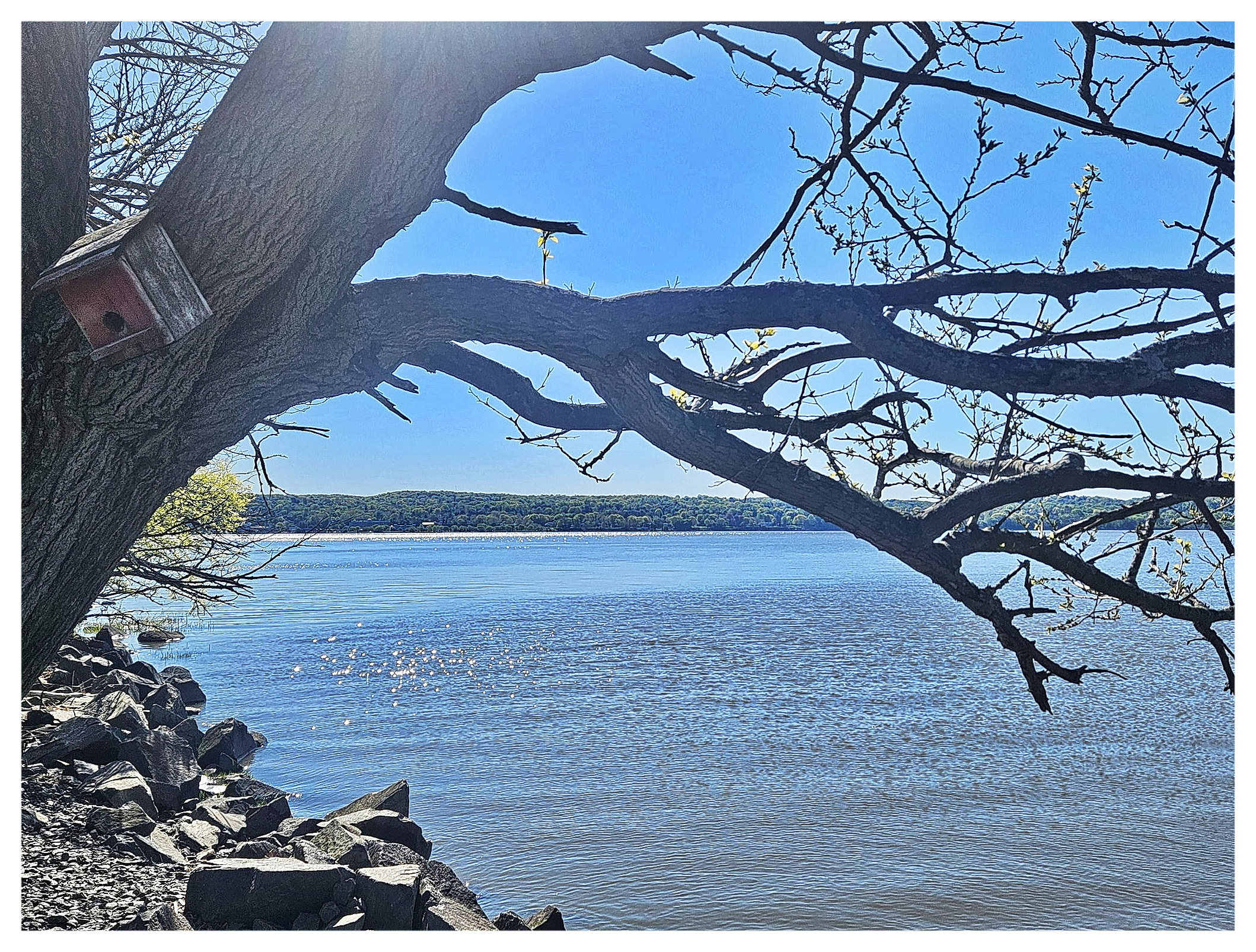
Far out on the river, sunlight glittered in fragments. The shimmer, born from the breaking of light, felt less like a static view and more like something in motion, something breathing.
A thought suddenly arose: what if even that shimmer had a sound?
If light and light, as they touched and brushed against one another, produced the faintest yet most certain of tones—
then perhaps all of it—the birdsong filling the air, the water’s trembling brightness—would have become a single, complete symphony.
A title might have suited it well:
“The Song of May.”
This season requires no explanation.
It is simply—
beautiful.
4. Back at Tallman Park
Turning back from Piermont, and re-entering Tallman Park, a stone staircase appears on the right.
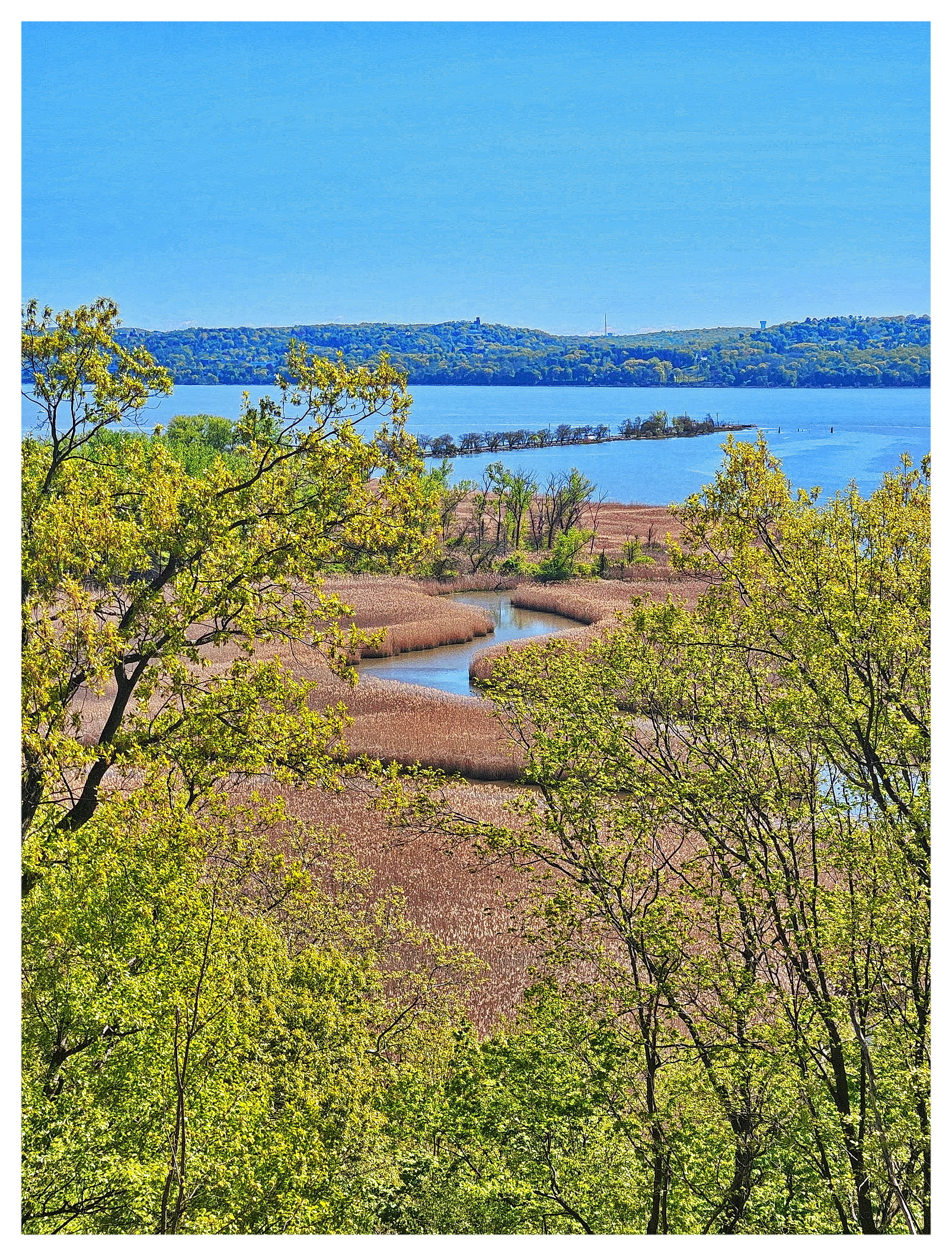
Climbing those steps leads to a small picnic area, where benches are scattered here and there, offering a quiet view down toward Piermont.
I sat on one of them and looked silently toward the village below.
This morning, at the entrance to Piermont, I had paused for a moment in front of a statue and a memorial plaque, reading the inscription slowly.
This place was once known as “America’s last stop.”
During the Second World War, tens of thousands of young soldiers passed through this very path each month, accompanied by the townspeople, heading toward the end of the Piermont pier.
From there, they boarded ships bound for the European front.
Many of them took part in the Normandy landings on June 6, 1944.
After the war ended, hundreds of thousands returned home through this same pier.
Yet there were also those who never came back.
For some, this place was the last glimpse of their homeland; for others, it was the first sight of home embraced again after survival.
I had not known that Piermont carried such a memory.
Sitting again on the bench, I looked out over the river and the town.
The birds I had encountered along the walk came back to me—robins, blue jays, red cardinals, even a woodpecker.
A thought drifted by: perhaps their songs are a kind of quiet requiem for those who never returned.
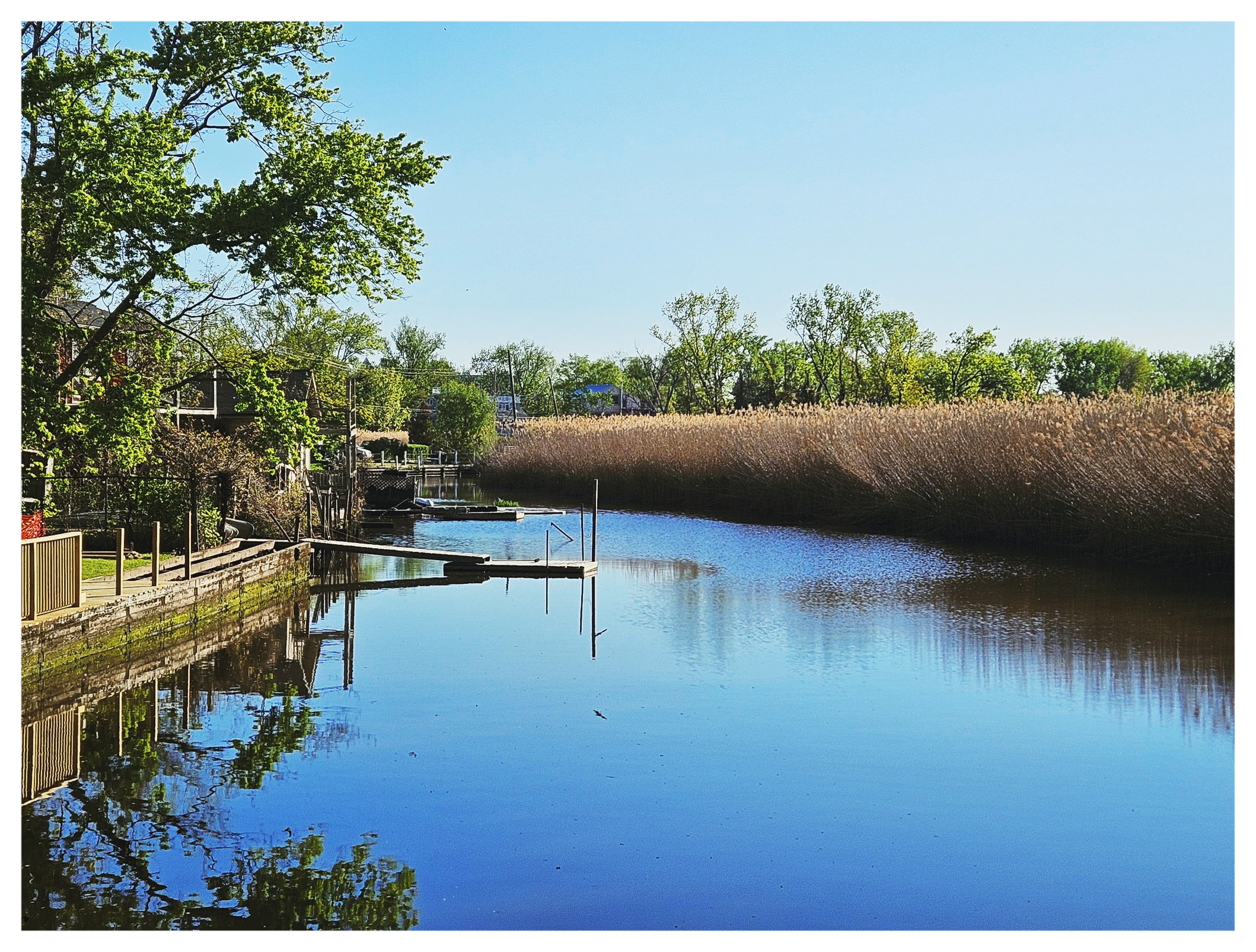
Along the edge of last year’s withered reeds, pale green shoots are once again rising.
As if life were quietly returning over what had disappeared, time here too seems to continue in that same way—layer upon layer, loss upon renewal.
Watching the landscape, I find myself murmuring inwardly:
Still—
May must remain beautiful.